

Winemaker Notes
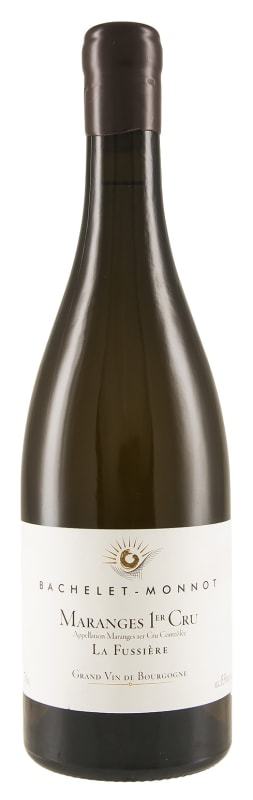
Maranges got its AOC status in 1989, and Jean-Francois Bachelet was a leading advocate of this during the deliberations (prior to 1989, the wine was sold as Cote de Beaune-Villages). This wine comes from just under two acres of vines averaging 35 years of age. They grow in the most calcareous zone of Fussiere.


One of the most popular and versatile white wine grapes, Chardonnay offers a wide range of flavors and styles depending on where it is grown and how it is made. While it tends to flourish in most environments, Chardonnay from its Burgundian homeland produces some of the most remarkable and longest lived examples. California produces both oaky, buttery styles and leaner, European-inspired wines. Somm Secret—The Burgundian subregion of Chablis, while typically using older oak barrels, produces a bright style similar to the unoaked style. Anyone who doesn't like oaky Chardonnay would likely enjoy Chablis.

Forming a transition between the Côte d’Or and the Saône-et-Loire of the Côte Chalonnaise, Maranges is the southernmost village of the Côte de Beaune district of Burgundy and includes seven Premiers Crus. Wines grown in Maranges may claim the names of their respective communes, Cheilly-lès-Maranges, Dezize-lès-Maranges or Sampigny-lès-Maranges, or Côte de Beaune-Villages. Confusingly they may also be called Maranges or Maranges Côte de Beaune. Nevertheless, the village’s vineyards, primarily composed of limestone and pebbly soils, produce charming, medium-bodied, fleshy Pinot Noir, laden with red or purple fruit and a touch of spice. A small percentage of admirable and fresh whites come from Maranges, made of Chardonnay.