

Winemaker Notes
Professional Ratings
-
Vinous
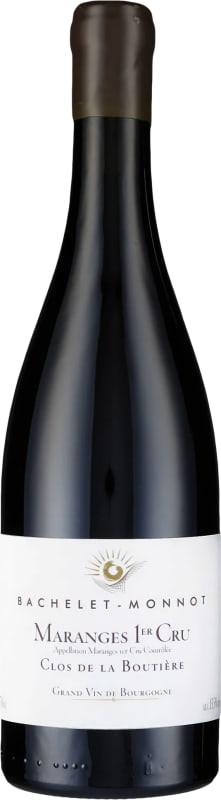
Cropped at a measly 18hl/ha, the 2021 Maranges Clos de la Boutière 1er Cru has an attractive bouquet with vibrant dark cherry, crushed strawberry and light vanillary scents. The palate is medium-bodied with quite \"thick\" tannins that lend this real weight and density; a burly Maranges in a positive sense, even if it does miss a bit of nuance on the finish. Cellar it for a couple of years.
Barrel Sample: 90-92


Thin-skinned, finicky and temperamental, Pinot Noir is also one of the most rewarding grapes to grow and remains a labor of love for some of the greatest vignerons in Burgundy. Fairly adaptable but highly reflective of the environment in which it is grown, Pinot Noir prefers a cool climate and requires low yields to achieve high quality. Outside of France, outstanding examples come from in Oregon, California and throughout specific locations in wine-producing world. Somm Secret—André Tchelistcheff, California’s most influential post-Prohibition winemaker decidedly stayed away from the grape, claiming “God made Cabernet. The Devil made Pinot Noir.”

Forming a transition between the Côte d’Or and the Saône-et-Loire of the Côte Chalonnaise, Maranges is the southernmost village of the Côte de Beaune district of Burgundy and includes seven Premiers Crus. Wines grown in Maranges may claim the names of their respective communes, Cheilly-lès-Maranges, Dezize-lès-Maranges or Sampigny-lès-Maranges, or Côte de Beaune-Villages. Confusingly they may also be called Maranges or Maranges Côte de Beaune. Nevertheless, the village’s vineyards, primarily composed of limestone and pebbly soils, produce charming, medium-bodied, fleshy Pinot Noir, laden with red or purple fruit and a touch of spice. A small percentage of admirable and fresh whites come from Maranges, made of Chardonnay.