


Winemaker Notes
Dom Pérignon Vintage 2002 Plénitude 2 expresses confident, enhanced maturity. The assertive character of this wine now gives it genuine and authentic power; a delicate complexity woven through with freshness and minerality, coming together in a light texture. It conjures up pale gold, enhanced with the energy of light: radiant gold. Its complexity starts out warm, golden, shimmering, with eastern exoticism: crystallised fruits, frangipane, sweet spices, fresh coriander. On the first nose, saffron is greyer and more saline, with the bouquet slowly becoming complex and then more austere, mysterious, clean and soothing. The flavor instantly unfurls leaving a bright, expressive, delicate aftertaste that is lively yet sensual, and still very fruit-forward. The nose and palate are strikingly similar, and the velvety mouth-feel becomes deeper and richer. The overall result displays intense, elegant, saline and slight licorice notes.
Professional Ratings
-
James Suckling
Intense, rich and dense P2 with butterscotch and toffee character, together with apricot compote, mango crumble and pie crust. This is at its height right now. Tremendous pleasure and generosity. In a beautiful place.
-
Robert Parker's Wine Advocate
The 2002 Dom Pérignon P2 is showing very well indeed, wafting from the glass with aromas of crisp yellow orchard fruit, dried white flowers, orange oil, smoky peach, peat and praline. On the palate, it's full-bodied, broad and textural, with a ripe and muscular core of fruit, ripe acids and fine concentration, concluding with a long and elegantly toasty finish. As I wrote earlier this year, this is a ripe and powerful Dom Pérignon that finds its closest stylistic analogy in the 1990 vintage, and it is considerably less evolved than the more tertiary 2000 P2 today. While the P2 is a bit drier and more precise on the finish than the original release, given the wine's slow evolution, the difference between the two is less pronounced than it has been for any vintage since 1996. To my palate, it really needs four or five years in the cellar before it truly starts to blossom.
-
Wine & Spirits
A rerelease from a great vintage at a prime drinking moment, Plénitude is designed to show the wine as it reaches the peak of its maturity. This vintage is still climbing, the spicy depth and grandeur of 2002 still unfurling, so the intensity you get when you first open the bottle is not quite the classical jazz symphony you might reach if you come back to the bottle a day or two later. But, seriously, who keeps an open bottle of DP? Maybe you should give up on the full force of the bubbles and decant it for the full impact of the flavor.
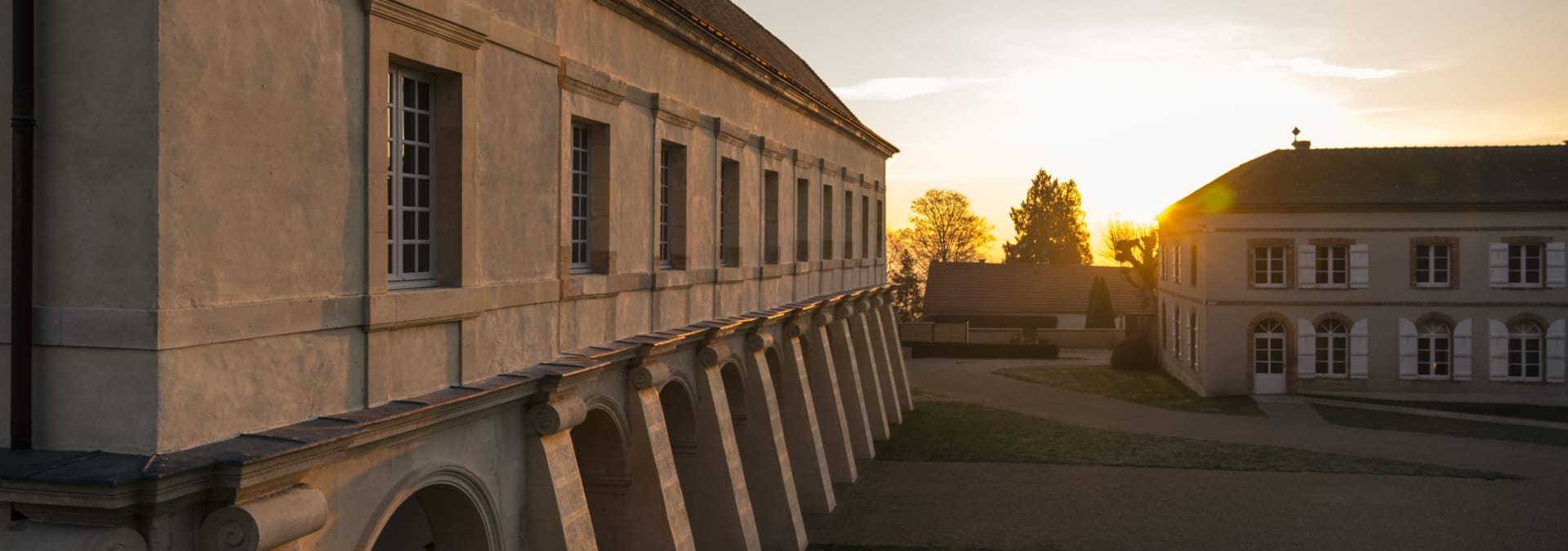




Dom Pérignon: an absolute commitment to Vintage
Dom Pérignon's commitment to vintage is absolute. Each Dom Pérignon is a true act of creation, made from only the best grapes. The champagne's intensity is based in precision, so inviting, so mysterious. Each Vintage has three Plénitudes, and embodies the total faith in the creation that is constantly renewed by Chef de Cave Vincent Chaperon. Coupled with a bold sense of playfulness, Dom Pérignon inspires the greatest creators in the world.Made only from the best grapes grown in one single year, each Dom Perignon's Vintage represents a harmonic balance between the nature of the year and the signature of Dom Pérignon. After no fewer than 8 years of elaboration, each vintage emerges complete, seamless and tactile. Dom Pérignon Champagne is made through an assemblage of Pinot Noir and Chardonnay, created by using only the best grapes harvested from the 17 Grands Crus in Champagne and the Premier Cru of Hautvillers.

Representing the topmost expression of a Champagne house, a vintage Champagne is one made from the produce of a single, superior harvest year. Vintage Champagnes account for a mere 5% of total Champagne production and are produced about three times in a decade. Champagne is typically made as a blend of multiple years in order to preserve the house style; these will have non-vintage, or simply, NV on the label. The term, "vintage," as it applies to all wine, simply means a single harvest year.

Associated with luxury, celebration, and romance, the region, Champagne, is home to the world’s most prized sparkling wine. In order to bear the label, ‘Champagne’, a sparkling wine must originate from this northeastern region of France—called Champagne—and adhere to strict quality standards. Made up of the three towns Reims, Épernay, and Aÿ, it was here that the traditional method of sparkling wine production was both invented and perfected, birthing a winemaking technique as well as a flavor profile that is now emulated worldwide.
Well-drained, limestone and chalky soil defines much of the region, which lend a mineral component to its wines. Champagne’s cold, continental climate promotes ample acidity in its grapes but weather differences from year to year can create significant variation between vintages. While vintage Champagnes are produced in exceptional years, non-vintage cuvées are produced annually from a blend of several years in order to produce Champagnes that maintain a consistent house style.
With nearly negligible exceptions, . These can be blended together or bottled as individual varietal Champagnes, depending on the final style of wine desired. Chardonnay, the only white variety, contributes freshness, elegance, lively acidity and notes of citrus, orchard fruit and white flowers. Pinot Noir and its relative Pinot Meunier, provide the backbone to many blends, adding structure, body and supple red fruit flavors. Wines with a large proportion of Pinot Meunier will be ready to drink earlier, while Pinot Noir contributes to longevity. Whether it is white or rosé, most Champagne is made from a blend of red and white grapes—and uniquely, rosé is often produce by blending together red and white wine. A Champagne made exclusively from Chardonnay will be labeled as ‘blanc de blancs,’ while ones comprised of only red grapes are called ‘blanc de noirs.’