


Winemaker Notes
Section 94 is one of the world’s most distinct wines, and regularly named New Zealand’s greatest Sauvignon Blanc. It’s so tough to place, which is extraordinary given that Marlborough Sauvignon Blanc is one of the most defined and recognizable wine styles in the world. The exotic smoky and spicy flavors mingling with floral and ripe citrus notes, textural roundness playing against cool and fresh raciness; it’s not about generalities of the grape variety or the region, it’s a very specific wine made to emphasize the qualities of a very special place.
Professional Ratings
-
James Suckling
Flinty, reductive notes open up to lime zest, white grapefruit, dried pineapple, hay, white pepper and hints of praline. Medium-bodied with sharp acidity and a phenolic, tight and taut palate. Focused and long. Drink or hold.
-
Robert Parker's Wine Advocate
The 2019 Section 94 is savory and a little sweaty on the nose, with lemongrass, pressed linen, beeswax and wet chalk. In the mouth, the wine is gently grippy and highly structural, which is a very attractive character to me. It gives shape to the fruit and reflects the season from whence it came. While I may prefer the nose on the 2020, the palate of the 2019 is superb. This shows a profusion of crushed rocks and minerals here. 14% alcohol.
-
Wine Spectator
While fleshy and succulent, this leads with crisp acidity. Offers notes of lanolin, litsea oil, honeysuckle, lemon curd, lime sherbet and dried chamomile, which are put into focus with mouthwatering acidity. Reveals mineral accents, reminiscent of white pepper, that linger on the long finish.
-
Wine Enthusiast
Aged and fermented in old oak barrels, this Sauvignon is quite flinty and reductive at first. It benefits from a short time in decanter or vigorous swirling in glass. Once aerated, gentle notes of honeycomb and lime popsicle float to the fore. Primarily, though, this is about the toasty oak and struck match characters. Despite a few years of age, the acidity is still lively, crunching through the textural creaminess.
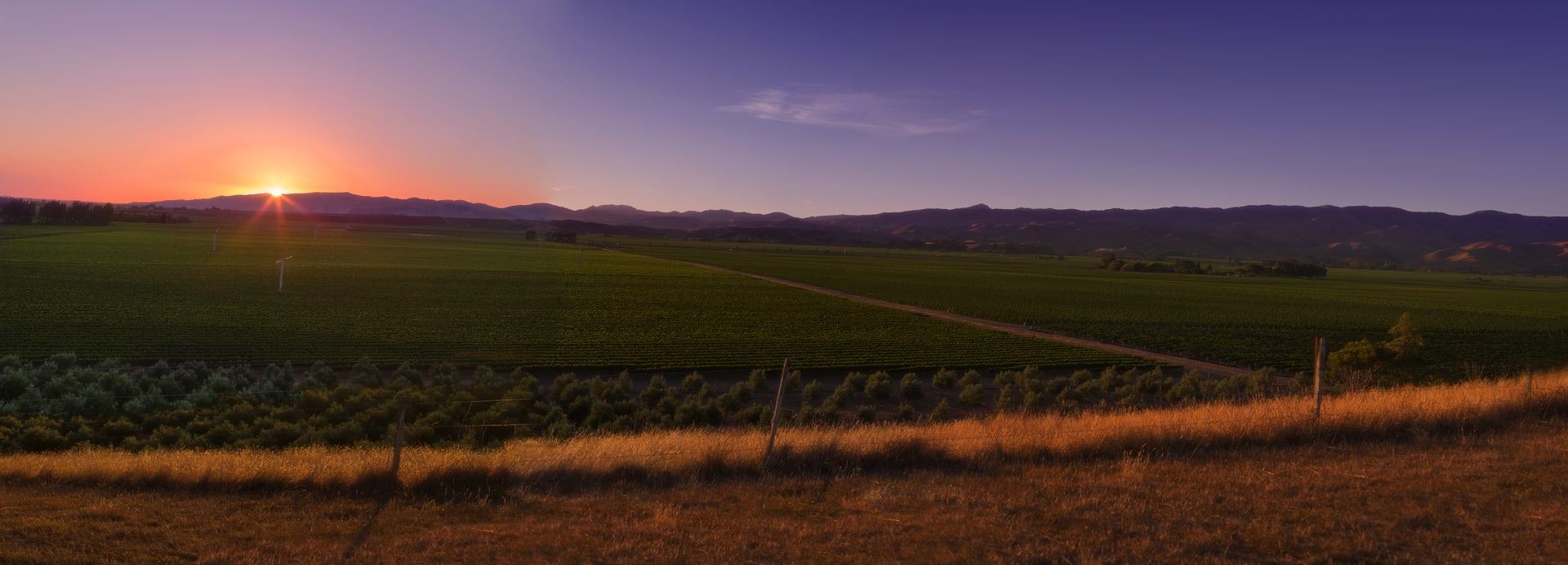




Almost since its inception, Dog Point has been recognized as among the very top (arguably the very top) wine producers in New Zealand. Their two very different Sauvignon Blancs, their Pinot Noir and their Chardonnay are all wines of astounding quality and complexity not just in the context of New Zealand wines, but globally. Their wines are hand-crafted from estate fruit grown on some of the oldest vines and best sites in Marlborough, some plantings dating back to the 1970s. These older well-established vines situated on free draining silty clay loams are supplemented with fruit from closely planted hillside vines. Yields are low, and the grapes are hand-harvested. That’s our attempt at an understated New Zealand statement: few hand-pick fruit in New Zealand (95% is machine-harvested), and Dog Point’s Sauvignon Blanc yields, for example, are 50% below the average for the region.
Dog Point’s focus on pruning, soil health through organic farming, use of native yeasts and for one wine selected neutral commercial yeasts, all point to a quality and detail-obsessed producer intimately familiar with its region. Dog Point is in fact the result of a collaboration between two Cloudy Bay alumni, enologist James Healy and founding viticulturalist Ivan Sutherland. Both left Cloudy Bay at the end of 2003, and the first vintage of Dog Point released was the 2002 vintage.
The winemaking is non-interventionist, and all the wines (with the exception of the stainless steel Sauvignon Blanc) are given extended barrel aging with minimal racking and handling. Bottling is done without fining and with minimal filtration. The resulting wines are intense, complex, with racy natural acidity and ripe, full fruit flavors.
The name Dog Point dates from the earliest European settlement of Marlborough and the introduction of sheep to the district. These were the days of few fences, of boundary riders and boundary-keeping dogs. Shepherds’ dogs sometimes became lost or wandered off and eventually bred into a wild pack. Their home was a tussock and scrub covered hill, overlooking the Wairau Plains, designated by the early settlers as Dog Point.

Capable of a vast array of styles, Sauvignon Blanc is a crisp, refreshing variety that equally reflects both terroir and varietal character. Though it can vary depending on where it is grown, a couple of commonalities always exist—namely, zesty acidity and intense aromatics. This variety is of French provenance. Somm Secret—Along with Cabernet Franc, Sauvignon Blanc is a proud parent of Cabernet Sauvignon. That green bell pepper aroma that all three varieties share is no coincidence—it comes from a high concentration of pyrazines (herbaceous aromatic compounds) inherent to each member of the family.

An icon and leading region of New Zealand's distinctive style of Sauvignon blanc, Marlborough has a unique terroir, making it ideal for high quality grape production (of many varieties). Despite some common generalizations, which could be fairly justified given that Marlborough is responsible for 90% of New Zealand's Sauvignon blanc production, the wines from this region are actually anything but homogenous. At the northern tip of New Zealand’s South Island, the vineyards of Marlborough benefit from well-draining, stony soils, a dry, sunny climate and wide temperature fluctuations between day and night, a phenomenon that supports a perfect balance between berry ripeness and acidity.
The region’s king variety, Sauvignon blanc, is beloved for its pungent, aromatic character with notes of exotic tropical fruit, freshly cut grass and green bell pepper along with a refreshing streak of stony minerality. These wines are made in a wide range of styles, and winemakers take advantage of various clones, vineyard sites, fermentation styles, lees-stirring and aging regimens to differentiate their bottlings, one from one another.
Also produced successfully here are fruit-forward Pinot noirs (especially where soils are clay-rich), elegant Riesling, Pinot gris and Gewürztraminer.