


Winemaker Notes
Professional Ratings
-
James Suckling
Plenty of depth to this 2014 Dog Point pinot; it's a boldly stated and concentrated pinot with plenty of detail and interest on offer. The oak delivers plenty of spicy, mocha-tinged complexity, but the rich red cherries and plums shine through effortlessly. The palate exudes the same confident swagger as the nose, but it's the tannin texture that shines here. Handsome, grainy and long, this carries ripe dark plums and cherry fruit throughout in an expansive yet balanced style. Has all you want in a great pinot. Drink now to 2026 (has moved to screwcap).
-
Jeb Dunnuck
The 2014 Pinot Noir (aged 18 months in 50% new French oak) offers a classy, seamless and elegant profile to go with textbook Pinot Noir notes of black cherries, smoke, forest floor, and peppery herbs. This cuvée sees a touch of whole clusters in the ferment but they’re beautifully integrated. It’s drinking nicely today yet I see no reason it won’t continue evolving nicely for at least 7-8 years.
-
Wine Spectator
Elegant, plush, plump plum and black cherry flavors are accented by black tea, spice and licorice notes. Gains momentum on the finish, where shadings of cedar and date bread add another level of richness. Drink now through 2026.
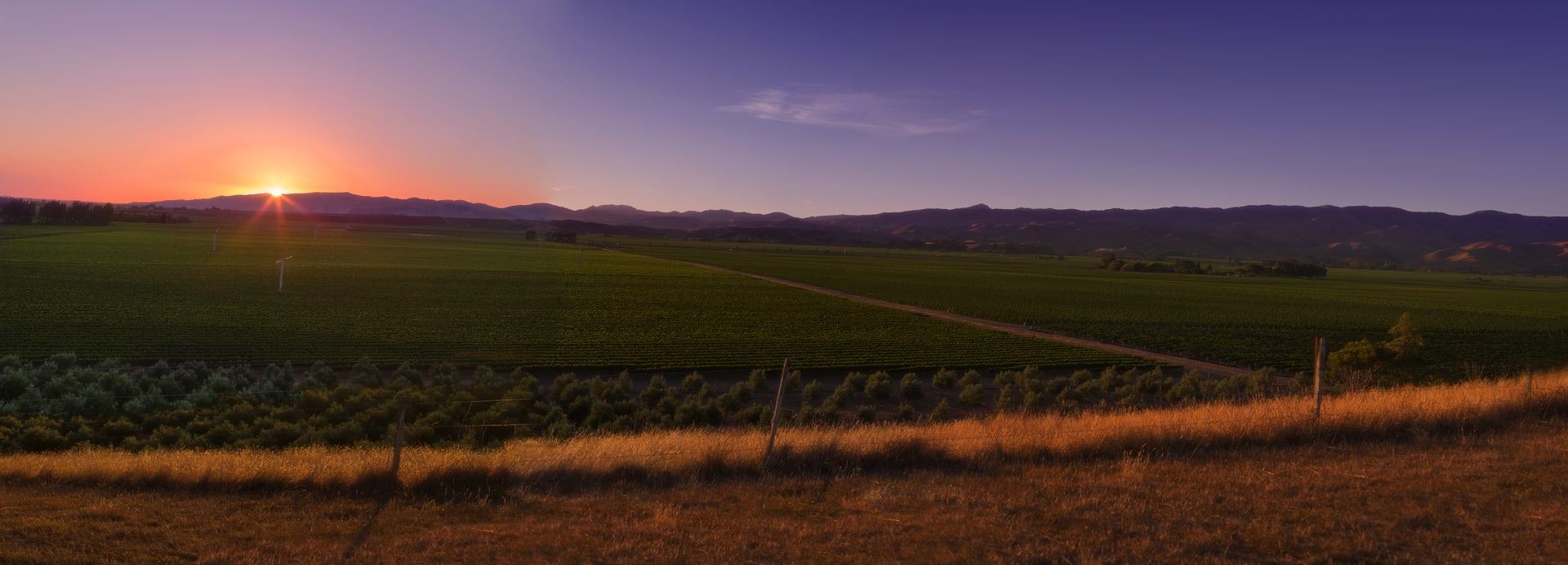




Almost since its inception, Dog Point has been recognized as among the very top (arguably the very top) wine producers in New Zealand. Their two very different Sauvignon Blancs, their Pinot Noir and their Chardonnay are all wines of astounding quality and complexity not just in the context of New Zealand wines, but globally. Their wines are hand-crafted from estate fruit grown on some of the oldest vines and best sites in Marlborough, some plantings dating back to the 1970s. These older well-established vines situated on free draining silty clay loams are supplemented with fruit from closely planted hillside vines. Yields are low, and the grapes are hand-harvested. That’s our attempt at an understated New Zealand statement: few hand-pick fruit in New Zealand (95% is machine-harvested), and Dog Point’s Sauvignon Blanc yields, for example, are 50% below the average for the region.
Dog Point’s focus on pruning, soil health through organic farming, use of native yeasts and for one wine selected neutral commercial yeasts, all point to a quality and detail-obsessed producer intimately familiar with its region. Dog Point is in fact the result of a collaboration between two Cloudy Bay alumni, enologist James Healy and founding viticulturalist Ivan Sutherland. Both left Cloudy Bay at the end of 2003, and the first vintage of Dog Point released was the 2002 vintage.
The winemaking is non-interventionist, and all the wines (with the exception of the stainless steel Sauvignon Blanc) are given extended barrel aging with minimal racking and handling. Bottling is done without fining and with minimal filtration. The resulting wines are intense, complex, with racy natural acidity and ripe, full fruit flavors.
The name Dog Point dates from the earliest European settlement of Marlborough and the introduction of sheep to the district. These were the days of few fences, of boundary riders and boundary-keeping dogs. Shepherds’ dogs sometimes became lost or wandered off and eventually bred into a wild pack. Their home was a tussock and scrub covered hill, overlooking the Wairau Plains, designated by the early settlers as Dog Point.

Thin-skinned, finicky and temperamental, Pinot Noir is also one of the most rewarding grapes to grow and remains a labor of love for some of the greatest vignerons in Burgundy. Fairly adaptable but highly reflective of the environment in which it is grown, Pinot Noir prefers a cool climate and requires low yields to achieve high quality. Outside of France, outstanding examples come from in Oregon, California and throughout specific locations in wine-producing world. Somm Secret—André Tchelistcheff, California’s most influential post-Prohibition winemaker decidedly stayed away from the grape, claiming “God made Cabernet. The Devil made Pinot Noir.”

An icon and leading region of New Zealand's distinctive style of Sauvignon blanc, Marlborough has a unique terroir, making it ideal for high quality grape production (of many varieties). Despite some common generalizations, which could be fairly justified given that Marlborough is responsible for 90% of New Zealand's Sauvignon blanc production, the wines from this region are actually anything but homogenous. At the northern tip of New Zealand’s South Island, the vineyards of Marlborough benefit from well-draining, stony soils, a dry, sunny climate and wide temperature fluctuations between day and night, a phenomenon that supports a perfect balance between berry ripeness and acidity.
The region’s king variety, Sauvignon blanc, is beloved for its pungent, aromatic character with notes of exotic tropical fruit, freshly cut grass and green bell pepper along with a refreshing streak of stony minerality. These wines are made in a wide range of styles, and winemakers take advantage of various clones, vineyard sites, fermentation styles, lees-stirring and aging regimens to differentiate their bottlings, one from one another.
Also produced successfully here are fruit-forward Pinot noirs (especially where soils are clay-rich), elegant Riesling, Pinot gris and Gewürztraminer.