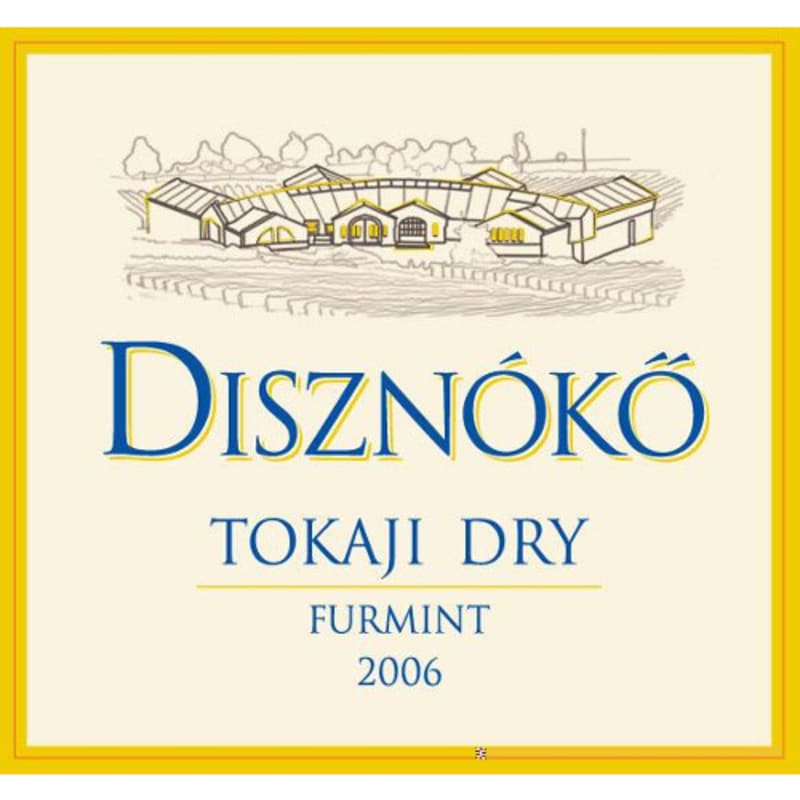

Winemaker Notes
The wine has a golden-yellow hue with a crisp, young appearance. Very harmonious, elegant in the mouth, and beside the fruity fragrances its aroma reminds of acacia flower with spicy citrus. Its taste is light, fresh and fruity, with notes of apricot, orange and orange skin.


Native to Hungary, Furmint is the white grape variety principally responsible for the highly desired, historically important and lusciously sweet, elixir called Tokaji. The wine called Tokaji is named after the Hungarian region from which it comes: Tokaj. More recently the motivations of proud, young Hungarian winemakers have brought Furmint into a new light as a delicately crisp and dry white. Somm Secret—The sweetest version, Tokaji Eszencia, contains so much sugar that it has an aging capacity of 200 years!

Best known for lusciously sweet dessert wines but also home to distinctive dry whites and reds, Hungary is an exciting country at the crossroads of tradition and innovation. Mostly flat with a continental climate, Hungary is almost perfectly bisected by the Danube River (known here as the Duna), and contains central Europe’s largest lake, Balaton. Soil types vary throughout the country but some of the best vines, particularly in Tokaj, are planted on mineral-rich, volcanic soil.
Tokaj, Hungary’s most famous wine region, is home to the venerated botrytized sweet wine, Tokaji, produced from a blend of Furmint and Hárslevelű. Dry and semi-dry wines are also made in Tokaj, using the same varieties. Other native white varieties include the relatively aromatic and floral, Irsai Olivér, Cserszegi Fűszeres and Királyleányka, as well as the distinctively smoky and savory, Juhfark. Common red varieties include velvety, Pinot Noir-like Kadarka and juicy, easy-drinking Kékfrankos (known elsewhere as Blaufränkisch).