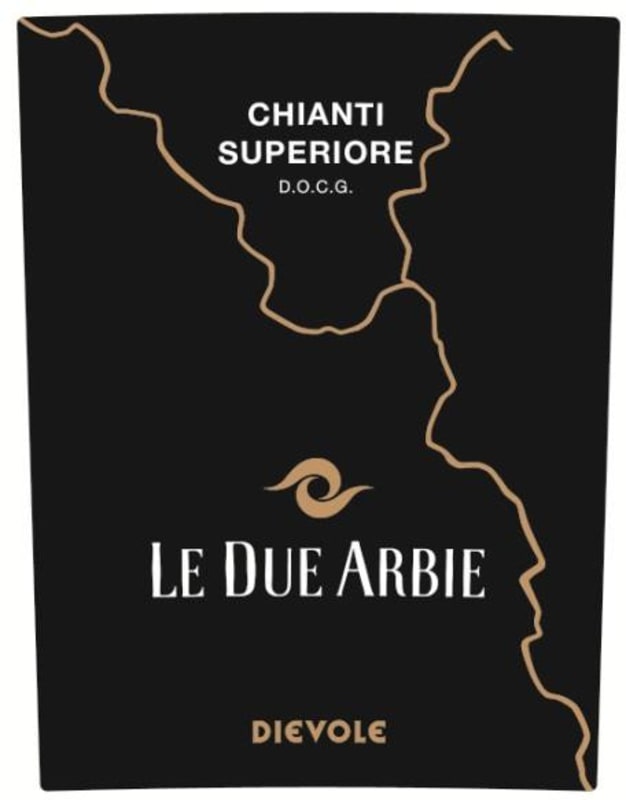

Winemaker Notes


Beyond the usual suspects, there are hundreds of red grape varieties grown throughout the world. Some are indigenous specialties capable of producing excellent single varietal wines, while others are better suited for use as blending grapes. Each has its own distinct viticultural characteristics, as well as aroma and flavor profiles, offering much to be discovered by the curious wine lover. In particular, Portugal and Italy are known for having a multitude of unique varieties but they can really be found in any region.

Famous for its food-friendly, approachable red wines and their storied history, Chianti is perhaps the best-known wine region of Italy. This appellation within Tuscany has it all: sweeping views of rolling hills, endless vineyards, the warm Mediterranean sun, hearty cuisine and a rich artistic heritage. Chianti includes seven subzones: Chianti Colli Fiorentini, Rufina, Montalbano, Colli Senesi, Colline Pisane, Colli Aretini and Montespertoli, with area beyond whose wines can be labeled simply as Chianti.
However the best quality comes from Chianti Classico, in the heart of the Chianti zone, which is no longer a subzone of the region at all but has been recognized on its own since 1996. The Classico region today is delimited by the confines of the original Chianti zone protected since the 1700s.
Chianti wines are made primarily of Sangiovese, with other varieties comprising up to 25-30% of the blend. Generally, local varieties are used, including Canaiolo, Colorino and Mammolo, but international varieties such as Cabernet Sauvignon, Merlot and Syrah are allowed as long as they are grown within the same zone.
Basic, value-driven Chianti wine is simple and fruit-forward and makes a great companion to any casual dinner. At its apex, Chianti is full bodied but with good acidity, firm tannins, and notes of tart red fruit, dried herbs, fennel, balsamic and tobacco. Chianti Riserva, typically the top bottling of a producer, can benefit handsomely from a decade or two of cellaring.