

Winemaker Notes
Professional Ratings
-
Connoisseurs' Guide
Dierberg follows up its outstanding 2009 offering with another splendid Syrah that hits one high point after the other. It is rife with deep and exceptionally well-defined fruit, and its insistent themes of blackberries, spice and cured meats do not ease up even as a fair bit of grippy young tannin takes hold. It is ripe but eschews jamminess and shows very good structure and balance for the solid, rather gutsy wine that it is. While sure to impress in the short term, it is not meant for hasty drinking, and it can be held for eight to ten years before reaching what is certain to be its considerable best.
-
Robert Parker's Wine Advocate
Inky colored and thrillingly concentrated, yet staying light and graceful on the palate, the 2010 Syrah boasts fantastic aromas and flavors of spice-drenched black raspberries, licorice, roasted meats, chocolate and ground herbs to go with a rich, concentrated and structured palate feel. Still tasting like a barrel sample, this serious Syrah needs 2-3 years of bottle age and will knock your socks off through 2020! Drink 2015-2020+.


Marked by an unmistakable deep purple hue and savory aromatics, Syrah makes an intense, powerful and often age-worthy red. Native to the Northern Rhône, Syrah achieves its maximum potential in the steep village of Hermitage and plays an important component in the Red Rhône Blends of the south, adding color and structure to Grenache and Mourvèdre. Syrah is the most widely planted grape of Australia and is important in California and Washington. Sommelier Secret—Such a synergy these three create together, the Grenache, Syrah, Mourvedre trio often takes on the shorthand term, “GSM.”
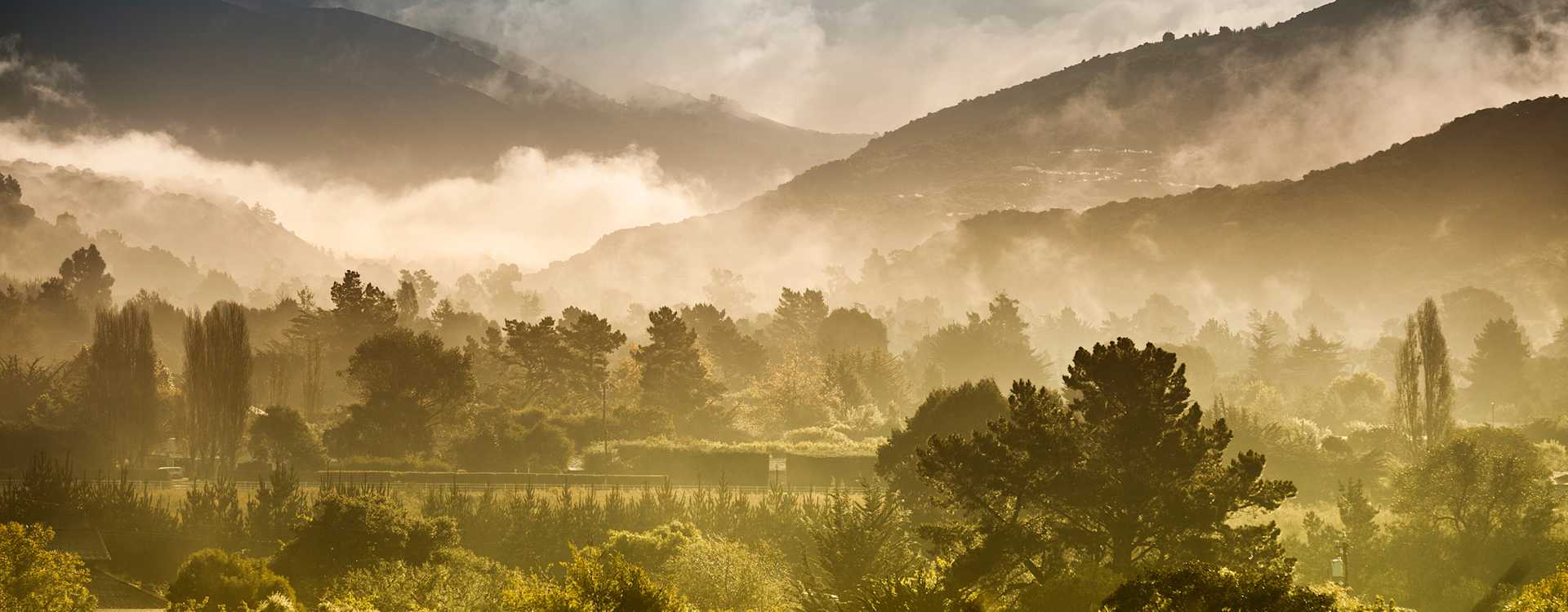
The largest and perhaps most varied of California’s wine-growing regions, the Central Coast produces a good majority of the state's wine. This vast California wine district stretches from San Francisco all the way to Santa Barbara along the coast, and reaches inland nearly all the way to the Central Valley.
Encompassing an extremely diverse array of climates, soil types and wine styles, it contains many smaller sub-AVAs, including San Francisco Bay, Monterey, the Santa Cruz Mountains, Paso Robles, Edna Valley, Santa Ynez Valley and Santa Maria Valley.
While the Central Coast California wine region could probably support almost any major grape varietiy, it is famous for a few Central Coast reds and whites. Pinot Noir, Chardonnay, Cabernet Sauvignon and Zinfandel are among the major ones. The Central Coast is home to many of the state's small, artisanal wineries crafting unique, high-quality wines, as well as larger producers also making exceptional wines.