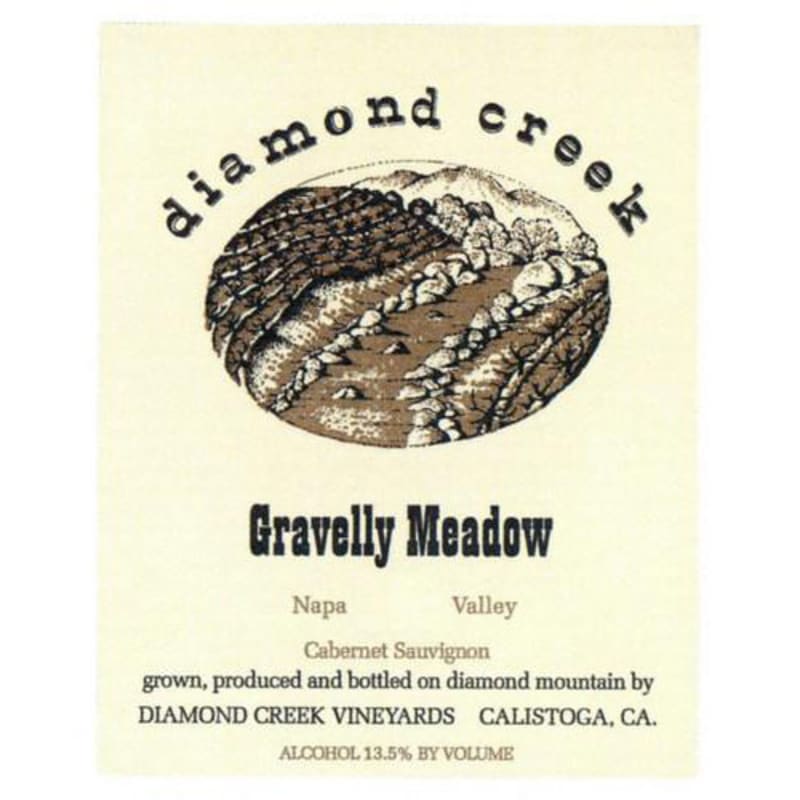

Winemaker Notes
Professional Ratings
-
Wine & Spirits
It smells like the manzanita groves on the hillside above Gravelly Meadow; that, plus racy red and black fruit, lean forest-berry flavors that layer wit ha cool soil character in the tannins as the scent draws you in to the taste. What's equally beautiful is the texture, capturing the concentrated flavors and presenting them with silken grace. Under all that supple, lean muscle, the wine has a strong spine, structured to go the distance in the cellar.
-
Wine Spectator
Sleek and perfumed, this is relatively supple and polished, with a mix of loamy earth, juicy berry, mint and underbrush flavors. Should reward cellaring. Best from 2016 through 2030.
-
Robert Parker's Wine Advocate
The dense purple-colored 2010 Cabernet Sauvignon Gravelly Meadow offers stony notes intermixed with cassis and gravel along with a striking minerality, rich, deep cassis fruit, well-concealed and integrated new oak, and a long, structured finish. These cuvees are generally meant for considerable cellaring, and this wine needs to be forgotten for 5-6 years and drunk over the following 20-25 years.
Rating: 92+ -
Connoisseurs' Guide
Always a favorite in these quarters over the years, the Gravelly Meadow bottling has more of tailored quality than does the Volcanic Hill, and here, in this vintage makes a lighter, less dramatic statement that will be the darling of those who like a more classic approach. To be sure, there is plenty of cassis and black cherry precision to the aromas, and the supple beginnings on the palate are somewhat more finesseful while still carrying the expected tannins for age. Latter palate acidity also tightens things up a touch and adds to the notion that cellartime is needed.


One of the most prestigious wines of the world capable of great power and grace, Napa Valley Cabernet is a leading force in the world of fine, famous, collectible red wine. Today the Napa Valley and Cabernet Sauvignon are so intrinsically linked that it is difficult to discuss one without the other. But it wasn’t until the 1970s that this marriage came to light; sudden international recognition rained upon Napa with the victory of the Stag’s Leap Wine Cellars 1973 Cabernet Sauvignon in the 1976 Judgement of Paris.
Cabernet Sauvignon undoubtedly dominates Napa Valley today, covering half of the land under vine, commanding the highest prices per ton and earning the most critical acclaim. Cabernet Sauvignon’s structure, acidity, capacity to thrive in multiple environs and ability to express nuances of vintage make it perfect for Napa Valley where incredible soil and geographical diversity are found and the climate is perfect for grape growing. Within the Napa Valley lie many smaller sub-AVAs that express specific characteristics based on situation, slope and soil—as a perfect example, Rutherford’s famous dust or Stags Leap District's tart cherry flavors.