
Winemaker Notes
Professional Ratings
-
Robert Parker's Wine Advocate
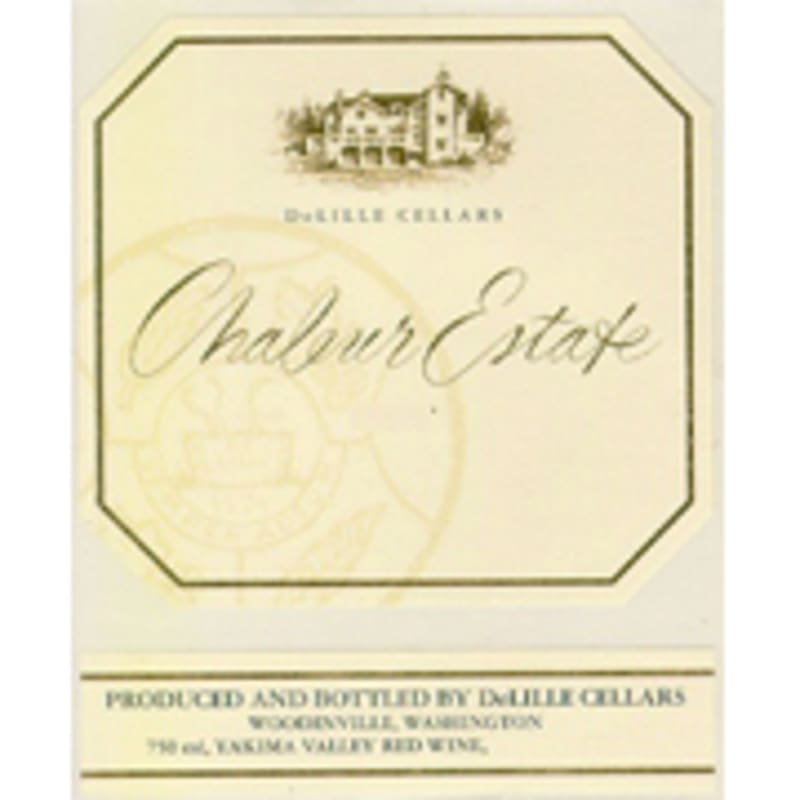
Amazing aromas of blueberries, black cherries, spices, sage, thyme, and violets emanate from the glass of the 2003 Chaleur Estate (red). Though this wine is densely packed with candied blackberries as well as cassis, it loses none of its elegance and charm. Extremely well-focused and detailed, it also reveals great length in its seamless finish. Drink it over the next 15 years.
-
Wine Enthusiast
Red-ruby color. Highly aromatic, claret-like nose offers cassis, redcurrant, maple sugar, herbs and a leafy nuance. Ripe, powerful and intensely flavored; this really expands in the mouth, gaining in sweetness and dimension with aeration. Finishes with broad, lush tannins and excellent length. Not at all a late-picked style of wine, and built to age.


One of the world’s most classic and popular styles of red wine, Bordeaux-inspired blends have spread from their homeland in France to nearly every corner of the New World. Typically based on either Cabernet Sauvignon or Merlot and supported by Cabernet Franc, Malbec and Petit Verdot, the best of these are densely hued, fragrant, full of fruit and boast a structure that begs for cellar time. Somm Secret—Blends from Bordeaux are generally earthier compared to those from the New World, which tend to be fruit-dominant.

A large and geographically diverse AVA capable of producing a wide variety of wine styles, the Columbia Valley AVA is home to 99% of Washington state’s total vineyard area. A small section of the AVA even extends into northern Oregon!
Because of its size, it is necessarily divided into several distinctive sub-AVAs, including Walla Walla Valley and Yakima Valley—which are both further split into smaller, noteworthy appellations. A region this size will of course have varied microclimates, but on the whole it experiences extreme winters and long, hot, dry summers. Frost is a common risk during winter and spring. The towering Cascade mountain range creates a rain shadow, keeping the valley relatively rain-free throughout the entire year, necessitating irrigation from the Columbia River. The lack of humidity combined with sandy soils allows for vines to be grown on their own rootstock, as phylloxera is not a serious concern.
Red wines make up the majority of production in the Columbia Valley. Cabernet Sauvignon is the dominant variety here, where it produces wines with a pleasant balance of dark fruit and herbs. Wines made from Merlot are typically supple, with sweet red fruit and sometimes a hint of chocolate or mint. Syrah tends to be savory and Old-World-leaning, with a wide range of possible fruit flavors and plenty of spice. The most planted white varieties are Chardonnay and Riesling. These range in style from citrus and green apple dominant in cooler sites, to riper, fleshier wines with stone fruit flavors coming from the warmer vineyards.