Winemaker Notes

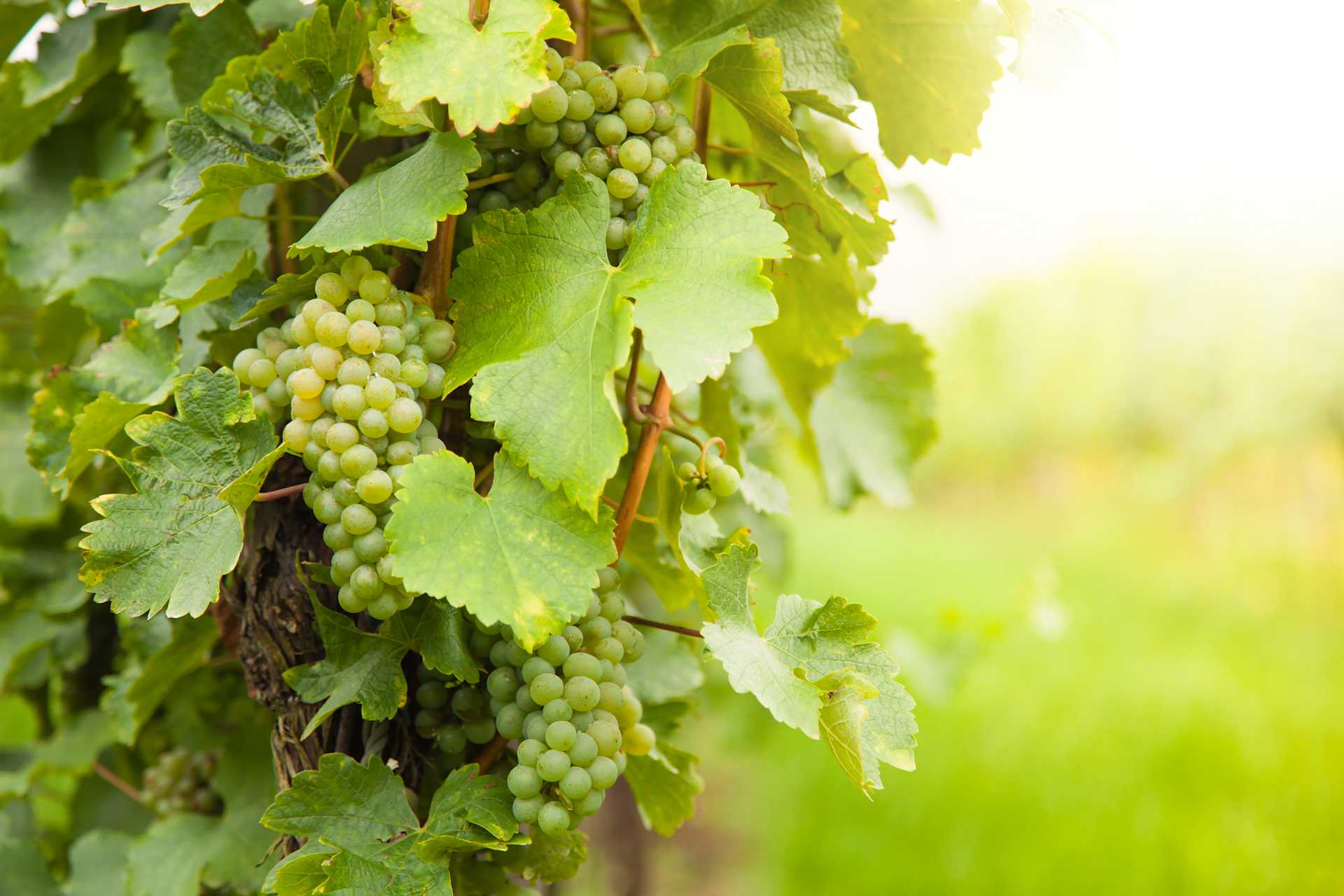
Approachable, aromatic and pleasantly plush on the palate, Pinot Blanc is a white grape variety most associated with the Alsace region of France. Although its heritage is Burgundian, today it is rarely found there and instead thrives throughout central Europe, namely Germany and Austria, where it is known as Weissburgunder and Alto Adige where it is called Pinot Bianco. Interestingly, Pinot Blanc was born out of a mutation of the pink-skinned Pinot Gris. Somm Secret—Chardonnay fans looking to try something new would benefit from giving Pinot Blanc a try.

As the world’s northernmost fine wine producing region, Germany faces some of the most extreme climatic and topographic challenges in viticulture. But fortunately this country’s star white wine variety, Riesling, is cold-hardy enough to survive freezing winters, and has enough natural acidity to create balance, even in wines with the highest levels of residual sugar. Riesling responds splendidly to Germany’s variable terroir, allowing the country to build its reputation upon fine wines at all points of the sweet to dry spectrum, many of which can age for decades.
Classified by ripeness at harvest, Riesling can be picked early for dry wines or as late as January following the harvest for lusciously sweet wines. There are six levels in Germany’s ripeness classification, ordered from driest to sweetest: Kabinett, Spätlese, Auslese, Beerenauslese, Trockenbeerenauslese and Eiswein (ice wine). While these German wine classifications don’t exactly match the sweetness levels of the finished wines, the Kabinett category will include the drier versions and anything above Auslese will have noticeable—if not noteworthy—sweetness. Eiswein is always remarkably sweet.
Other important German white wine varieties include Müller-Thurgau as well as Grauburguner (Pinot Gris) and Weissburguner (Pinot Blanc). The red wine, Spätburgunder (Pinot Noir), grown in warmer pockets of the country can be both elegant and structured.
As the fourth largest wine producer in Europe (after France, Italy and Spain), in contrast to its more Mediterranean neighbors, Germany produces about as much as it consumes—and is also the largest importer of wine in the E.U.