
Winemaker Notes
Professional Ratings


The Davis Bynum Winery story begins in 1951 when Davis Bynum, then a young newspaper man for the San Francisco Chronicle, bought 50 pounds of grapes from Robert Mondavi and made 3.5 gallons of petite sirah. "It wasn't a great wine," says Davis, "but then we drank it all before it was six months old!"
In 1971, Davis acquired vineyard land in the Napa Valley, near St. Helena. After unsuccess-fully attempting to build a winery on the property in 1973 (due to a moratorium on new winery construction by the Napa county planning commission), the Bynum Family -- Davis' wife Dorothy, son Hampton and daughter Susan -- purchased the 83-acre River Bend Ranch in the Russian River Valley in Sonoma County. On the property was a 1950's hop kiln which the Bynum Family converted into the winery and permanent home. "A friend convinced us to come over to the Russian River Valley. You can grow better grapes there anyway," Bynum chuckled.
In the first few years of operation at the new winery, grapes were hauled over from Napa and crushed along with local Russian River Valley fruit. This ended when the Napa property was sold off in 1976. During this period, the Bynum Family made their first pinot noir -- the 1973 Davis Bynum Pinot Noir from the Rochioli Vineyard was the first ever pinot to carry a Russian River designation.
Today, Davis Bynum Winery crushes about 250 to 275 ton of grapes annually (which makes about 15,000 cases of wine), bottling premium varietals under the Davis Bynum label. It is still family oriented: Davis oversees the vineyards and finances, though he now leaves winemaking decisions in the capable hands of Gary Farrell. His son, Hampton, oversees the daily operations at the winery as well as sales, and is responsible for product development. During harvest, Hampton helps with winemaking. Dorothy, Davis' wife, oversees the landscaping and a building improvement program.

One of the most popular and versatile white wine grapes, Chardonnay offers a wide range of flavors and styles depending on where it is grown and how it is made. While it tends to flourish in most environments, Chardonnay from its Burgundian homeland produces some of the most remarkable and longest lived examples. California produces both oaky, buttery styles and leaner, European-inspired wines. Somm Secret—The Burgundian subregion of Chablis, while typically using older oak barrels, produces a bright style similar to the unoaked style. Anyone who doesn't like oaky Chardonnay would likely enjoy Chablis.
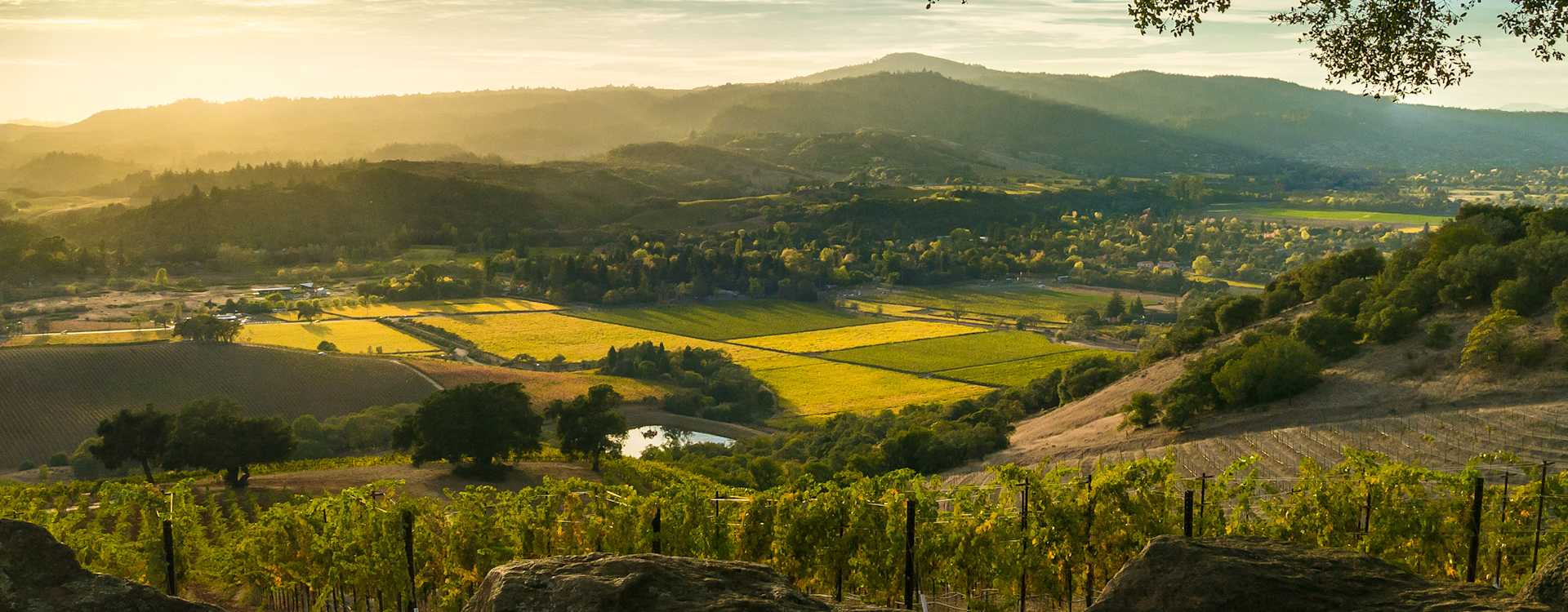
Home to a diverse array of smaller AVAs with varied microclimates and soil types, Sonoma County has something for every wine lover. Physically twice as large as Napa Valley, the region only produces about half the amount of wine but boasts both tremendous quality and variety. With its laid-back atmosphere and down-to-earth attitude, the wineries of Sonoma are appreciated by wine tourists for their friendliness and approachability. The entire county intends to become a 100% sustainable winegrowing region by 2019.
Sonoma County wines are produced with carefully selected grape varieties to reflect the best attributes of their sites—Dry Creek Valley’s consistent sunshine is ideal for Zinfandel, while the warm Alexander Valley is responsible for rich, voluptuous red wines like Cabernet Sauvignon. Chardonnay and Pinot Noir are important throughout the county, most notably in the cooler AVAs of Russian River, Sonoma Coast and Carneros. Sauvignon Blanc, Merlot and Syrah have also found a firm footing here.