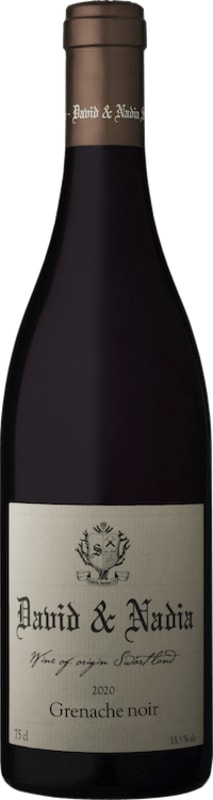


Winemaker Notes
The 2020 vintage consists of four Grenache Noir vineyards, with the core a vineyard from the Paardeberg planted in the early 2000’s. Joining this vineyard is another Paardeberg vineyard, recently planted on the north-eastern side of the Langkloof valley, overlooking the Aprilskloof. Another addition is a 2016 planted vineyard in schist of the Kasteelberg. This vineyard was planted on terraces high up in the mountain. Finally, Grenache noir from a farm north of Malmesbury was also added, a vineyard we have been working with since 2012. A component of the wine was fermented and matured in concrete. Juice was kept on the skins for four weeks pre-/during fermentation and 60% whole bunches were used. One punch down per day was done resulting in minimal and gentle extraction. The wine was pressed off and matured in old 500 L neutral French oak barrels as well as a 2 700 L concrete vessel for a year.
Professional Ratings
-
James Suckling
Pretty nose of dried lavender, raspberries, currants, plum stones and licorice. Lemon peel, too. It’s medium-bodied with sleek tannins and vibrant acidity. Fresh, bright and pure.


Grenache thrives in any warm, Mediterranean climate where ample sunlight allows its clusters to achieve full phenolic ripeness. While Grenache's birthplace is Spain (there called Garnacha), today it is more recognized as the key player in the red blends of the Southern Rhône, namely Châteauneuf-du-Pape, Côtes du Rhône and its villages. Somm Secret—The Italian island of Sardinia produces bold, rustic, single varietal Grenache (there called Cannonau). California, Washington and Australia have achieved found success with Grenache, both flying solo and in blends.

Literally meaning "the black land," Swartland takes its name from the endangered, indigenous "renosterbos" (translating to rhino bush), which used to be plentiful enough to turn the entire landscape a dark color certain during times of year. The district, attracting some of the most adventurous and least interventionist winemakers, excels in robust and full-bodied reds as well as quality fortified wines.