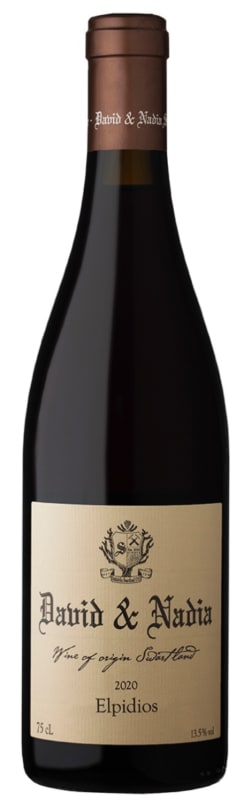


Winemaker Notes
Blend: 38% Grenache Noir, 36% Syrah, 10% Cinsaut, 9% Carignan, 7% Pinotage
Professional Ratings
-
James Suckling
A lovely mix of red and blue fruit on the nose with notes of thyme, rosemary and ground clove. Medium-bodied with silky tannins. Nicely concentrated with a savory core of black fruit. Coffee, tar and chicory root come through.
-
Robert Parker's Wine Advocate
Composed of 38% Grenache, 36% Syrah, 10% Cinsault, 9% Carignan and 7% Pinotage, the 2020 Elpidios comes from 12 different vineyards and was made from 50% whole-cluster fruit. On the nose, the wine offers soft herbal hints of mint and menthol with a delightful undertone of wild brush before swaying with a red-fruited nature and delicate dusty essence. Medium-bodied and with 13.5% alcohol, the wine is juicy and mineral on the palate and offers delightful herbal essences across the structured mid-palate. The wine glides to a delightfully minty finish that will remain food-friendly for over a decade. Give it at least one more year in the bottle, and decant for at least 30 minutes before enjoying.
Rating:93+ -
Wine Spectator
Hints of crushed rosemary and hot stone accent the black raspberry and blood orange peel notes layered with lightly chalky tannins in this fresh, light- to medium-bodied red. Grenache, Syrah, Pinotage, Carignan and Cinsault. Drink now. 60 cases imported.


With hundreds of red grape varieties to choose from, winemakers have the freedom to create a virtually endless assortment of blended red wines. In many European regions, strict laws are in place determining the set of varieties that may be used, but in the New World, experimentation is permitted and encouraged resulting in a wide variety of red wine styles. Blending can be utilized to enhance balance or create complexity, lending different layers of flavors and aromas. For example, a red wine blend variety that creates a fruity and full-bodied wine would do well combined with one that is naturally high in acidity and tannins. Sometimes small amounts of a particular variety are added to boost color or aromatics. Blending can take place before or after fermentation, with the latter, more popular option giving more control to the winemaker over the final qualities of the wine.
How to Serve Red Wine
A common piece of advice is to serve red wine at “room temperature,” but this suggestion is imprecise. After all, room temperature in January is likely to be quite different than in August, even considering the possible effect of central heating and air conditioning systems. The proper temperature to aim for is 55° F to 60° F for lighter-bodied reds and 60° F to 65° F for fuller-bodied wines.
How Long Does Red Wine Last?
Once opened and re-corked, a bottle stored in a cool, dark environment (like your fridge) will stay fresh and nicely drinkable for a day or two. There are products available that can extend that period by a couple of days. As for unopened bottles, optimal storage means keeping them on their sides in a moderately humid environment at about 57° F. Red wines stored in this manner will stay good – and possibly improve – for anywhere from one year to multiple decades. Assessing how long to hold on to a bottle is a complicated science. If you are planning long-term storage of your reds, seek the advice of a wine professional.

Literally meaning "the black land," Swartland takes its name from the endangered, indigenous "renosterbos" (translating to rhino bush), which used to be plentiful enough to turn the entire landscape a dark color certain during times of year. The district, attracting some of the most adventurous and least interventionist winemakers, excels in robust and full-bodied reds as well as quality fortified wines.