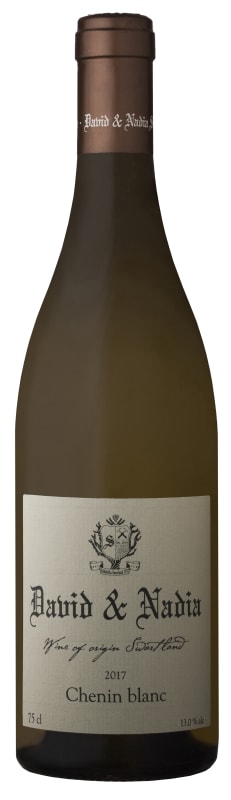


Winemaker Notes
Chenin Blanc from the Swartland focuses yet again on various Old Vine Vineyards, ranging plantings from 1962 till 1982 and based on granite from the Paardeberg, blended with schale/schist from the east, clay from the north and iron from the western parts of the Swartland. Dry-land farmed bush vines stood the test of time and it showcases the ultimate reason why Chenin Blanc is their main focus in the Swartland. Whole bunch pressed and naturally fermented, matured for 11 months in old neutral French oak barrels.
Professional Ratings
-
Robert Parker's Wine Advocate
Made from old vines, the 2017 Chenin Blanc begins with sweet citrus and a mineral undertone before showcasing a subtle white spice note in the glass with hints of arugula leaf and citrus peel. Medium-bodied, the wine offers a balanced structure with lifting acidity that makes me salivate before displaying a thoughtful weight and texture that is food-friendly. The wine ends with a kiss of phenolic bitterness on the tight but lingering finish. Simply delicious.


Unquestionably one of the most diverse grape varieties, Chenin Blanc can do it all. It shines in every style from bone dry to unctuously sweet, oaked or unoaked, still or sparkling and even as the base for fortified wines and spirits. Perhaps Chenin Blanc’s greatest asset is its ever-present acidity, maintained even under warm growing conditions. Somm Secret—Landing in South Africa in the mid 1800s, today the country has double the acreage of Chenin Blanc planted compared to France. There is also a new wave of dedicated producers committed to restoring old Chenin vines.

Literally meaning "the black land," Swartland takes its name from the endangered, indigenous "renosterbos" (translating to rhino bush), which used to be plentiful enough to turn the entire landscape a dark color certain during times of year. The district, attracting some of the most adventurous and least interventionist winemakers, excels in robust and full-bodied reds as well as quality fortified wines.