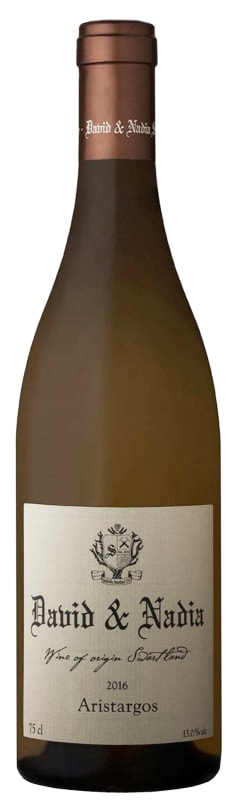


Winemaker Notes
Blend: Chenin blanc 47%, Sémillon 13%, Clairette blanche 11%, Viognier 10%, Marsanne 8%, Roussanne 6%, Verdelho 3%, Grenache blanc 2%.
Professional Ratings
-
Robert Parker's Wine Advocate
A blend of 50% Chenin Blanc, 20% Viognier, 12% Roussanne, 10% Sémillon and 8% Clairette Blanche, the 2016 Aristargos opens to a nose rich with mineral essence and aromas of wet river rocks, beeswax, dust-covered citrus blossoms, yellow cherry, peach skin and pineapple husk. Medium-bodied, the wine shows impeccable texture and weight across the mid-palate, unpacking a balanced structure with energetic acidity and beautiful finesse. The wine continues to evolve on the palate with hints of seared almonds and flavors of brioche crumbs on the long, lingering finish. Bravo!

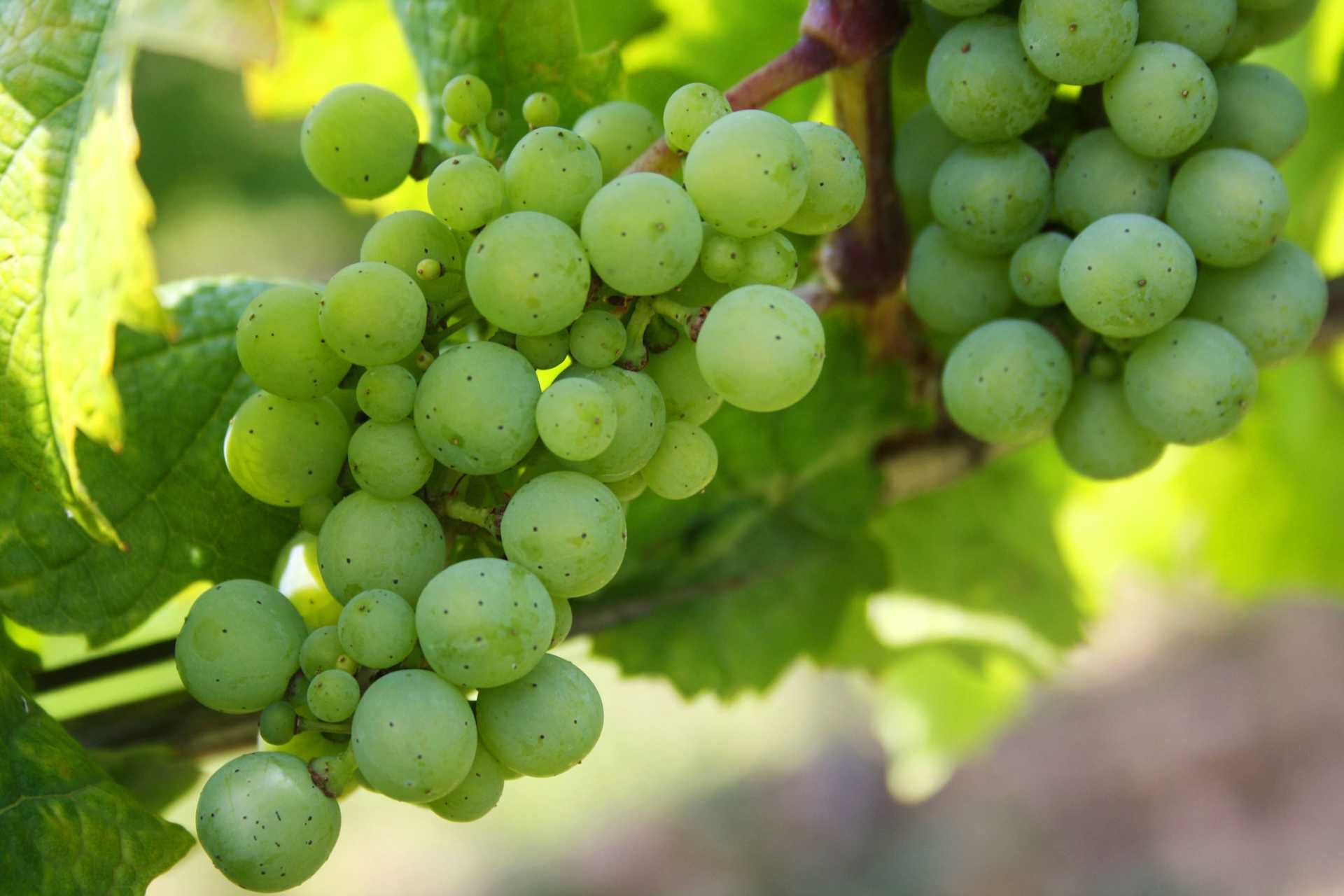
With hundreds of white grape varieties to choose from, winemakers have the freedom to create a virtually endless assortment of blended white wines. In many European regions, strict laws are in place determining the set of varieties that may be used in white wine blends, but in the New World, experimentation is permitted and encouraged. Blending can be utilized to enhance balance or create complexity, lending different layers of flavors and aromas. For example, a variety that creates a soft and full-bodied white wine blend, like Chardonnay, would do well combined with one that is more fragrant and naturally high in acidity. Sometimes small amounts of a particular variety are added to boost color or aromatics. Blending can take place before or after fermentation, with the latter, more popular option giving more control to the winemaker over the final qualities of the wine.

Literally meaning "the black land," Swartland takes its name from the endangered, indigenous "renosterbos" (translating to rhino bush), which used to be plentiful enough to turn the entire landscape a dark color certain during times of year. The district, attracting some of the most adventurous and least interventionist winemakers, excels in robust and full-bodied reds as well as quality fortified wines.