


Winemaker Notes
Fresh and floral, with the spirit of spring, 2021 Signature Viognier opens with orange blossoms and jasmine. There’s richness throughout with layers of apricot and nectarine alongside a spice note reminiscent of nutmeg or ginger. The wine finishes bright and persistent with vivid citrus and tropical fruit characteristics.
Professional Ratings
-
Jeb Dunnuck
The 2021 Viognier Signature from Darioush is terrific, with a beautifully balanced, medium-bodied style as well as classic Viognier notes of honeyed peach, apricot, and flowers. It has a kiss of background oak and is going to shine on the dinner table over the coming couple of years.
-
James Suckling
Perfumed and spicy nose, full of fresh herbs, nectarines, lemon grass and almonds. Round and waxy, with bright acidity cutting it through. Fine, oily bitterness from the phenolics.
-
Robert Parker's Wine Advocate
The 2021 Viognier comes from Oak Knoll and is vinified in a similar manner to the Sauvignon Blanc, with fermentation completed in tank, approximately six months of barrel maturation in 25% new French oak and no malolactic fermentation. Nicely floral and peppery, it boasts varietally correct aromas that include notes of honeysuckle and ripe pears. Nicely balanced, with no real bitterness (something Viognier can be prone to), it's medium to full-bodied but stays crisp and vibrant on the finish.
-
Wine Enthusiast
This rich, almost-sweet wine relaxes in ripe honeydew melon, white peach and floral flavors on a smooth, soft texture and full body. Generous enough for an after-dinner cheese course or a cookie plate.



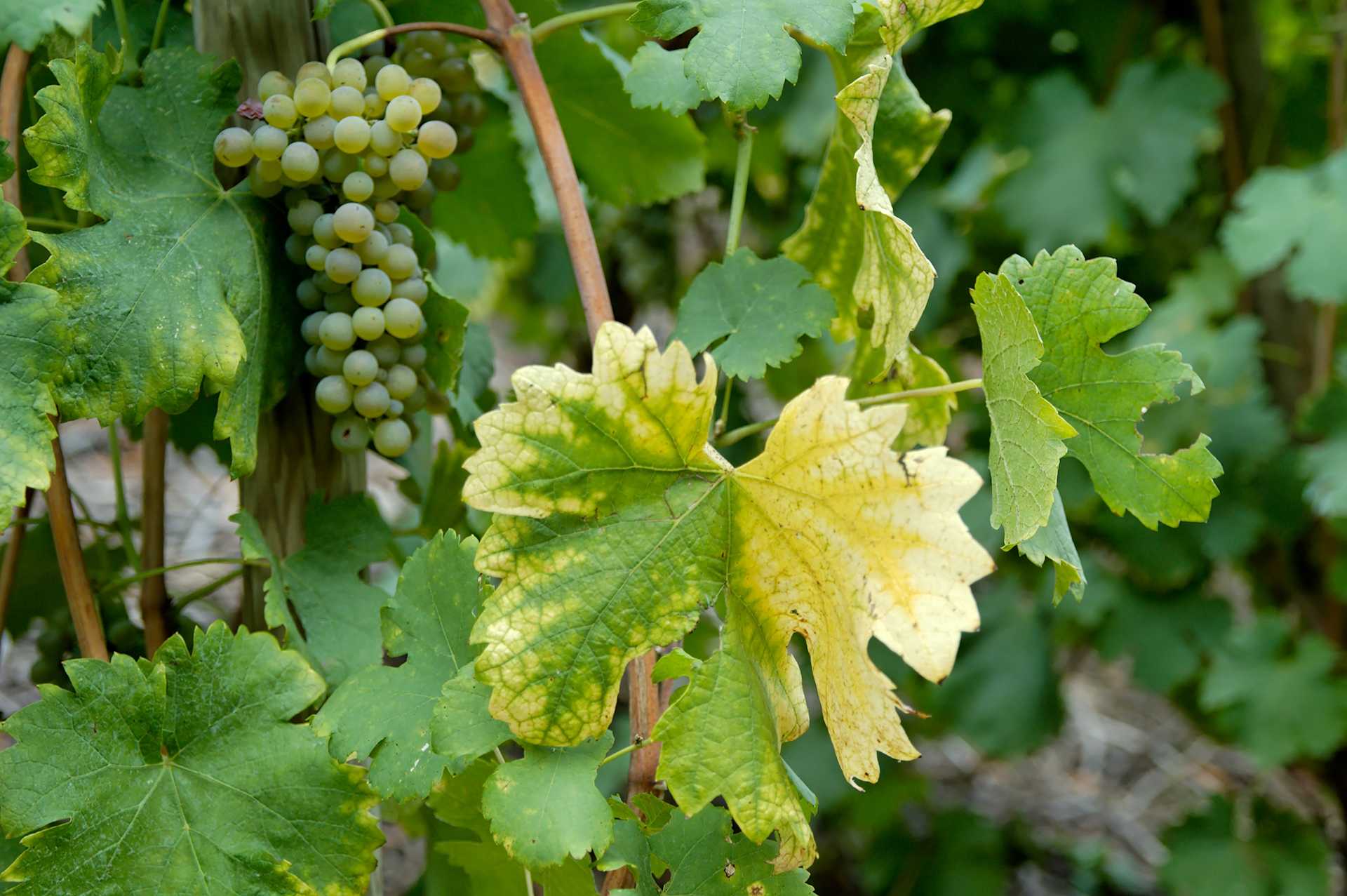
Full-figured and charmingly floral, Viognier is one of the most important white grapes of the northern Rhône where it is used both to produce single varietal wines and as an important blending grape. Look for great New World examples from California, Oregon, Washington and cooler parts of Australia. Somm Secret—Viognier plays a surprisingly important role in the red wines of Côte Rôtie in the northern Rhône. About 5% Viognier is typically co-fermented with the Syrah in order to stabilize the color, and as an added benefit, add a subtle perfume.

One of the world's most highly regarded regions for wine production as well as tourism, the Napa Valley was responsible for bringing worldwide recognition to California winemaking. In the 1960s, a few key wine families settled the area and hedged their bets on the valley's world-class winemaking potential—and they were right.
The Napa wine industry really took off in the 1980s, when producers scooped up vineyard lands and planted vines throughout the county. A number of wineries emerged, and today Napa is home to hundreds of producers ranging from boutique to corporate. Cabernet Sauvignon is definitely the grape of choice here, with many winemakers also focusing on Bordeaux blends. White wines from Napa Valley are usually Chardonnay and Sauvignon Blanc.
Within the Napa Valley lie many smaller sub-AVAs that claim specific wine characteristics based on situation, slope and soil. Farthest south and coolest from the influence of the San Pablo Bay is Carneros, followed by Coombsville to its northeast and then Yountville, Oakville and Rutherford. Above those are the warm St. Helena and the valley's newest and hottest AVA, Calistoga. These areas follow the valley floor and are known generally for creating rich, dense, complex and smooth red wines with good aging potential. The mountain sub appellations, nestled on the slopes overlooking the valley AVAs, include Stags Leap District, Atlas Peak, Chiles Valley (farther east), Howell Mountain, Mt. Veeder, Spring Mountain District and Diamond Mountain District. Napa Valley wines from the mountain regions are often more structured and firm, benefiting from a lot of time in the bottle to evolve and soften.