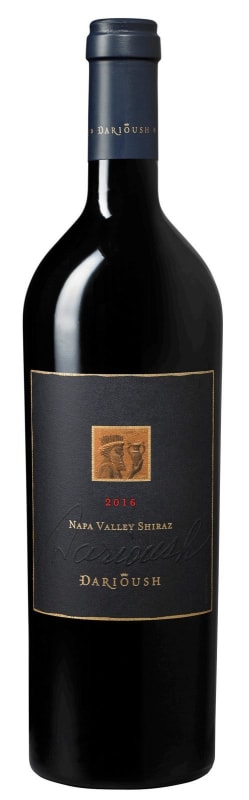


Winemaker Notes
Darioush Signature Shiraz is crafted to coax the inherent complexity, structure, and age-worthiness from this versatile variety. Southern Napa Valley’s cooler microclimates, along with meticulous vineyard management naturally restrain vigor while intensifying its rich, spicy and soulful character.
Professional Ratings
-
James Suckling
A subtle nose with aromas of plums, cherries and cloves. Fresh and juicy on the palate. Medium to full body with a firm tannin structure. This wine has a nice, peppery touch. What you expect from a Shiraz. Good balance. Drink or hold.
-
Robert Parker's Wine Advocate
Deep purple-black in color, the 2016 Shiraz gives up the most gorgeous scents of crushed black berries, warm plums and Black Forest cake with an undercurrent of cracked black pepper, hoisin, cloves, cinnamon stick and garrigue plus a waft of bacon fat. Medium to full-bodied with a wonderfully velvety texture and tons of spice and black fruit flavors, it has a lovely line of freshness and a very long perfumed finish.
-
Wine Spectator
Supple and polished, with richly structured blueberry and raspberry flavors, laced with fresh violet and toasted spice notes. Builds richness toward elegant tannins. Drink now through 2028.
-
Wine Enthusiast
With robust tannin structure and ripe, concentrated fruit, this bold wine is defined by leather and black licorice, with a dusty texture of dense blueberry and grilled meat. The power is persistent and forceful in flavor, finishing in black pepper.


Undoubtedly proving its merit over and over, Napa Valley is a now a leading force in the world of prestigious red wine regions. Though Cabernet Sauvignon dominates Napa Valley, other red varieties certainly thrive here. Important but often overlooked include Merlot and other Bordeaux varieties well-regarded on their own as well as for their blending capacities. Very old vine Zinfandel represents an important historical stronghold for the region and Pinot noir is produced in the cooler southern parts, close to the San Pablo Bay.
Perfectly situated running north to south, the valley acts as a corridor, pulling cool, moist air up from the San Pablo Bay in the evenings during the hot days of the growing season, which leads to even and slow grape ripening. Furthermore the valley claims over 100 soil variations including layers of volcanic, gravel, sand and silt—a combination excellent for world-class red wine production.