
Winemaker Notes
The colour of The Dry Dam Riesling takes on a deeper yellow-gold appearance with age. The high fruit intensity and acid of youth initially develops richer honeysuckle, orange peel, glace fruit and cold tea aromas. Finally glorious toasty, honeyed and custardy aromas emerge with significant bottle age.
Over time the young intense Riesling palate becomes even fuller and richer, initially with riper tropical fruit flavours then The Dry Dam Riesling undergoes an extraordinary metamorphosis to rich honey-toast-custard characters that are balanced by the ever present lime-lemon acidity. The broader 'kerosene' like characters usually avoid d'Arenberg's aged Rieslings, instead they finish with great structure and the classic honey-toast bottle aged fruit flavours and lemon-lime acidity.


Riesling possesses a remarkable ability to reflect the character of wherever it is grown while still maintaining its identity. A regal variety of incredible purity and precision, this versatile grape can be just as enjoyable dry or sweet, young or old, still or sparkling and can age longer than nearly any other white variety. Somm Secret—Given how difficult it is to discern the level of sweetness in a Riesling from the label, here are some clues to find the dry ones. First, look for the world “trocken.” (“Halbtrocken” or “feinherb” mean off-dry.) Also a higher abv usually indicates a drier Riesling.
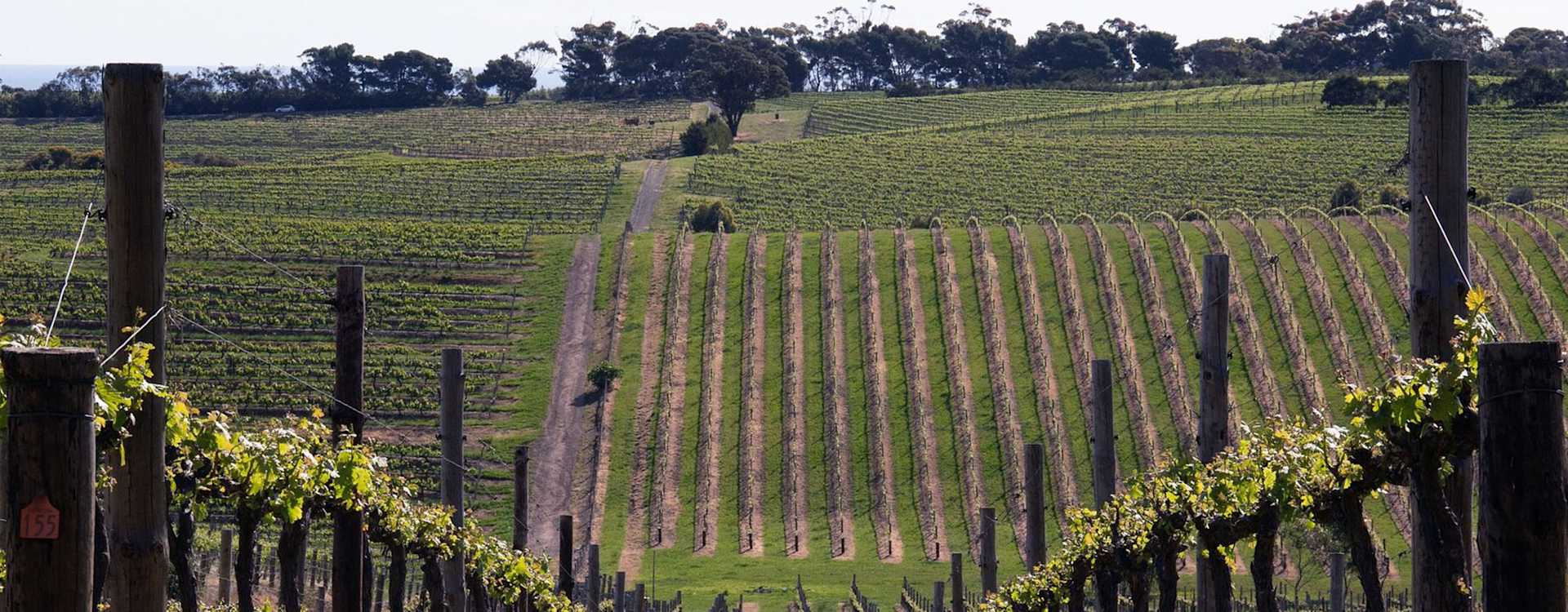
Known for opulent red wines with intense power and concentration, McLaren Vale is home to perhaps the most “classic” style of Australian Shiraz. Vinified on its own or in Rhône Blends, these hot-climate wines are deeply colored and high in extract with signature hints of dark chocolate and licorice. Cabernet Sauvignon is also produced in a similar style.
Whites, often made from Chardonnay or Sauvignon Blanc tend to be opulent and full of tropical, stone and citrus fruit.