

Winemaker Notes
After some bottle ageing d'Arenberg's The Other Side Chardonnay should develop in colour to a richer bright gold. The aroma should also develop in complexity to become dominated by roasted chestnuts, malt, sweet fruit pie and ripe banana smells, but all still supported by other fruit derived smells as well as smoky bacon, honey, light treacle almond-essence and stewed peach characters on the nose and palate. In the mouth, an older Other Side Chardonnay will maintain a big rich butterscotch and fresher fruit based flavour but also be distinguished with a fine edge of acidity as well as a rolling, lengthy penetrating finish for quite some considerable time.


One of the most popular and versatile white wine grapes, Chardonnay offers a wide range of flavors and styles depending on where it is grown and how it is made. While it tends to flourish in most environments, Chardonnay from its Burgundian homeland produces some of the most remarkable and longest lived examples. California produces both oaky, buttery styles and leaner, European-inspired wines. Somm Secret—The Burgundian subregion of Chablis, while typically using older oak barrels, produces a bright style similar to the unoaked style. Anyone who doesn't like oaky Chardonnay would likely enjoy Chablis.
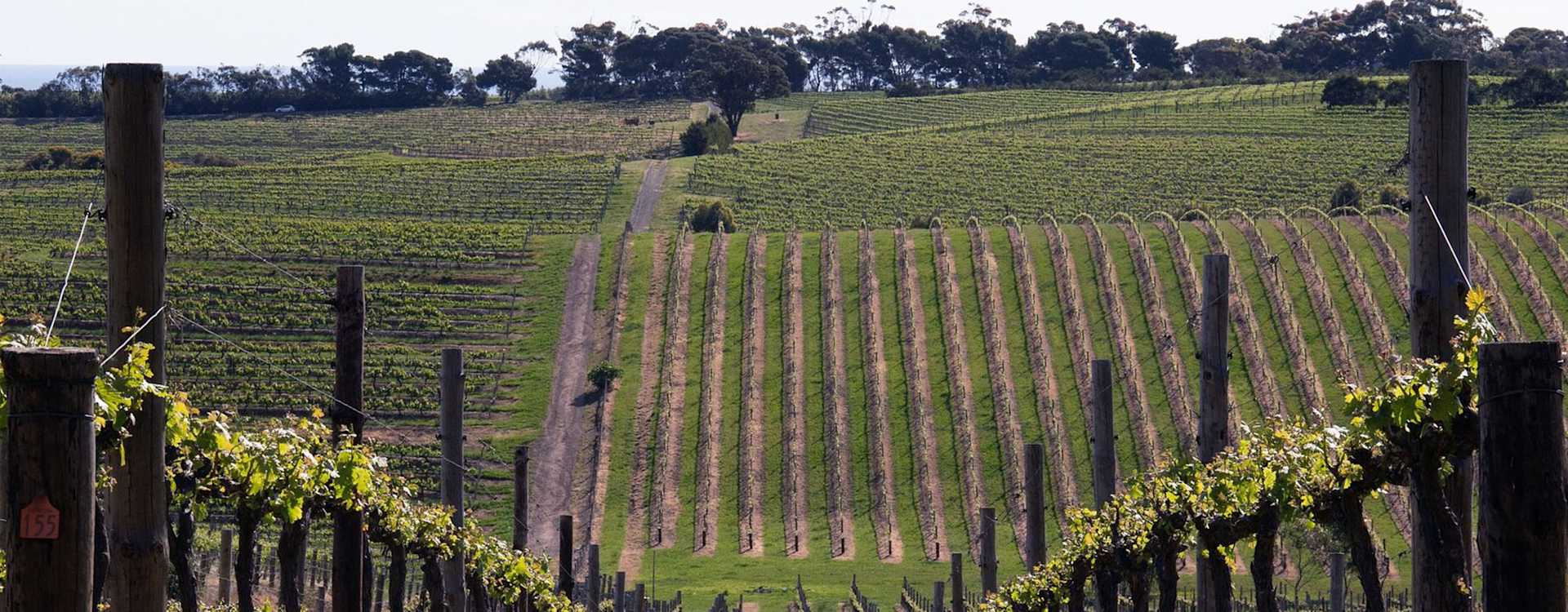
Known for opulent red wines with intense power and concentration, McLaren Vale is home to perhaps the most “classic” style of Australian Shiraz. Vinified on its own or in Rhône Blends, these hot-climate wines are deeply colored and high in extract with signature hints of dark chocolate and licorice. Cabernet Sauvignon is also produced in a similar style.
Whites, often made from Chardonnay or Sauvignon Blanc tend to be opulent and full of tropical, stone and citrus fruit.