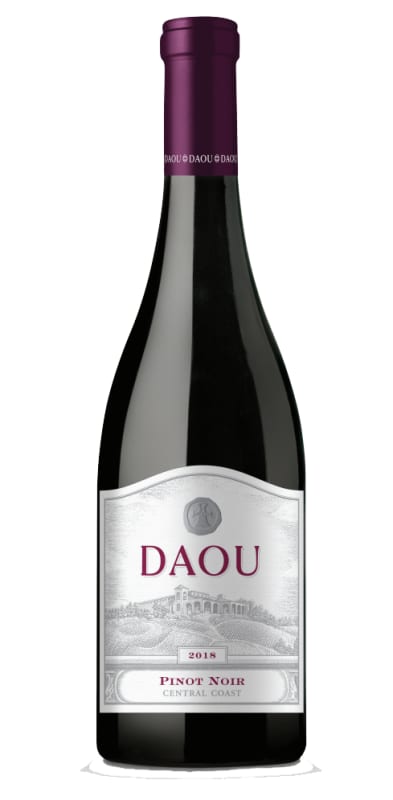


Winemaker Notes
2018 may go in history as the longest season yet. A good amount of rain fell in the region which gave to a later bud break in April. The vines were energized by the much needed moisture, setting one of our best crops yet. The weather remained steady from spring through June. Then we received a long heat wave that fortunately did not affect the quality of the grapes due to the fact that it was before the start of veraison. A cooling trend ensued for the rest of the season right after the heatwave, prolonging the hang time leading into harvest. The long hang time yielded deep color and concentration with dense wines. The tannins are silky and beautifully integrated. As a result, 2018 was an exceptional vintage that really highlights the aromatics and acidity of the wines.

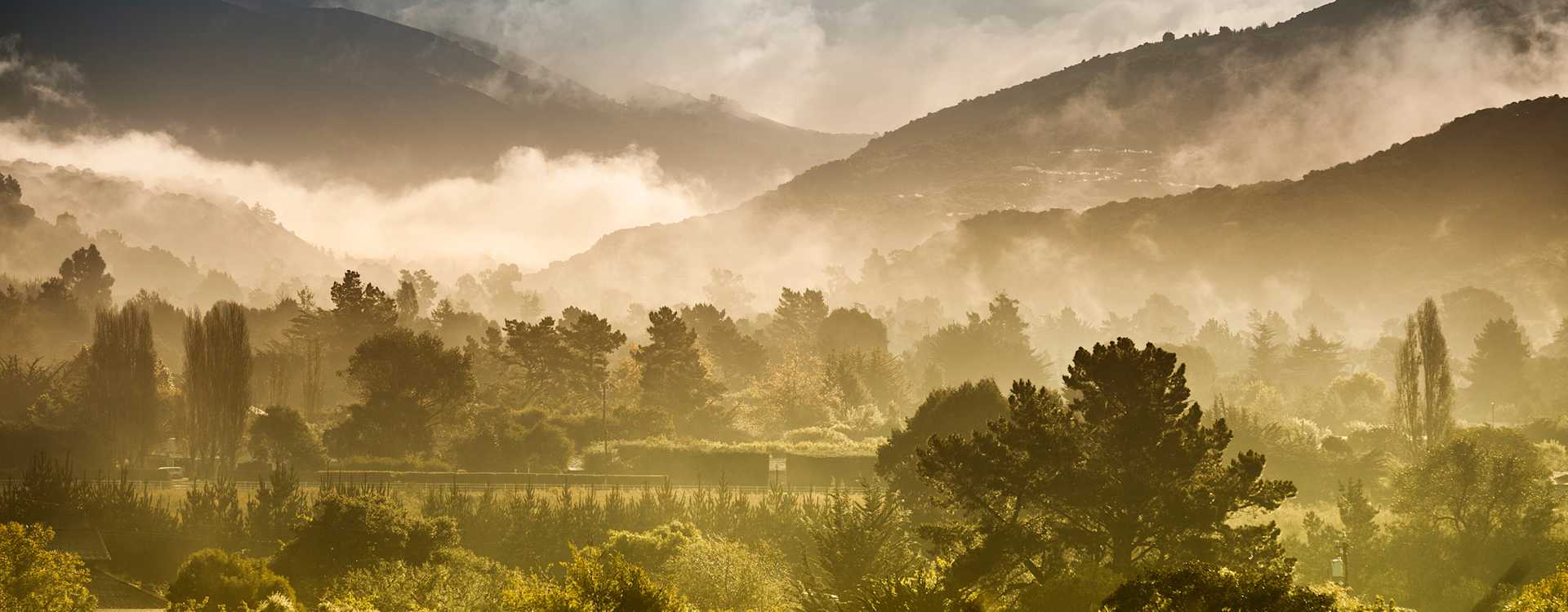
Let’s start with the obvious – Central Coast Pinot Noir is an incredibly broad category. This of course is because the Central Coast appellation is enormous, and it contains several stellar Pinot Noir regions within it, all of them kept cool by elevation or proximity to the ocean (or both). So we’ll break things down a bit with a brief look at each of these: Santa Cruz Mountains, Monterey and the Santa Lucia Highlands, Santa Maria Valley and Sta. Rita Hills. These are not the only Central Coast sources of good Pinot Noir, but they are the major ones. So let’s get started.
In the Santa Cruz Mountains appellation, just west of Silicon Valley, producers craft excellent Pinot in spite of serious challenges. The land is mountainous, rugged and can be foggy, the topsoil is thin and poor and yields tend to be low. Yet Pinots from the likes of David Bruce, Martin Ray, Mount Eden and Thomas Fogarty exhibit undeniable quality, along with bright red fruit, minerality, earth and herbal hints.
Just south lies the large Monterey appellation. Monterey Pinot Noir is grown in coastal areas, taking optimal advantage of the cooling effect of the Pacific. The most highly regarded of these is the Santa Lucia Highlands. Situated on hilly benchlands south of the city of Monterey, this central coast region relies on a long growing season, night and morning fog and consistent afternoon winds to produce world class Pinot Noir. Attributes include intense, rich fruit, subtle earthy notes, spice and a silky texture. Look for producers like Siduri, Kosta Browne, Talbott and Lucienne.
The Santa Maria Valley in northern Santa Barbara County (a section of it falls into southern San Luis Obispo County) is also a haven for quality Pinot Noir. A mere 15 miles from the Pacific, the valley runs east-west, creating a natural tunnel through which ocean breezes and fog flow. This effect lengthens the growing season and promotes both ripeness and development of acidity, lending Santa Maria Valley Pinots their characteristic full flavor, balance and elegance. The famous Bien Nacido Vineyard is located here, and notable producers include Cambria, Foxen, Byron and Au Bon Climat.
Finally, we arrive at the Sta. Rita Hills, also in Santa Barbara County. Located in the western part of the Santa Ynez Valley, it too benefits from an east-west orientation that leads to the same conditions mentioned above. Once again the result is extended hang time for the grapes, which can be tasted in the vibrant, ripe red fruits evident in these Pinots, along with dense coloration and an impression of richness and intensity. Try wines from producers like Ken Brown, Ampelos, Fess Parker and Melville.
As you can see, California’s Central Coast offers a wealth of options for any lover of Pinot Noir. Cheers!