Winemaker Notes
Professional Ratings
-
Robert Parker's Wine Advocate
The 2017 Soul Of A Lion is a blend of 80% Cabernet Sauvignon, 12% Cabernet Franc and 8% Petit Verdot aged 22 months in 100% new French oak. It has a deep ruby-purple color and wonderfully unique expression, with scents of forest floor, underbrush, English breakfast tea, espresso, blackcurrant bud, dark chocolate and exotic flowers mingling over a core of perfectly ripe wild blackberries and Morello cherries, all complemented by a classy framing of new oak spices. The medium to full-bodied palate is slow to unfurl, with a frame like liquid silk and a very long finish that gives up layer after layer of nuanced flavors. Wow!
-
Jeb Dunnuck
Both vintages of the Soul of a Lion are stunning. The 2017 Soul Of A Lion offers a forward, bona fide fruit bomb style yet has plenty of class. A sweet nose of cassis, Asian spice, cedar box, and chocolate gives way to a full-bodied, hedonistic 2017 that stays balanced and layered. This cuvée always delivers and the 2017 is just an incredible drink.
-
Wine Enthusiast
Extremely dark and almost opaque in the glass, this top-shelf bottling shows roasted meat, toasted wood, dark cassis fruit, soy and scorched espresso on the savory nose. The palate is thick, dense and framed in chiseled tannins, offering coffee and bittersweet cacao flavors alongside roasted black cherry, with impressive weight and acid that percolates slowly into the finish.
-
Connoisseurs' Guide
75% Cabernet Sauvignon; 15% Cabernet Franc and 10% Petit Verdot. The Daou brothers have continue to produce some of the finest wines to hail from Paso Robles and have proven over and over again that Napa Valley has no monopoly when it comes to producing Cabernets of the first order. The 2017 Soul of a Lion is just such an example and is a very deep, many-layered, generously fruited wine that deftly manages to combine both power and polish in an invitingly supple package. Notwithstanding the fact that it has the tannic structure to ensure years of age, we have to admit that it is so rich and accessible that we would have no qualms about drinking it in the short term, even if we see in it the stuff to get better with time
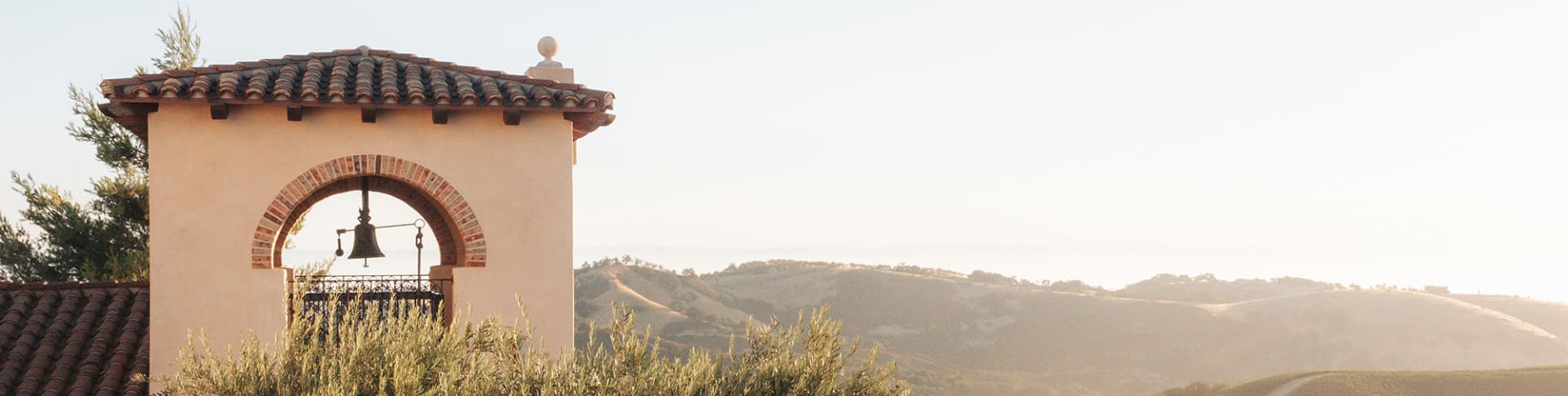




Brothers Georges Daou and Daniel Daou set forth across the globe to find an unrivaled terroir for producing Cabernet Sauvignon, a quest that led them to a place of foretold greatness: DAOU Mountain in the Adelaida District of Paso Robles. DAOU Family Estates is a family owned and operated winery committed to producing collectible, world-class wine to rival the most respected appellations. Situated on a 212-acre hilltop estate in the Adelaida District of Paso Robles, this remarkable mountain was once described by André Tchelistcheff, legendary winemaking authority, as “a jewel of ecological elements.”
DAOU Mountain stands alone at an elevation of 2,200 feet, rising from the heart of the Adelaida District in the rugged coastal range west of Paso Robles. The steep slopes here reach up to 56 percent, with uniform exposure to the elements across the estate. It is a terroir of power, purity and symmetry, with every natural asset necessary to pursue the perfect Cabernet Sauvignon—including calcareous clay soils that emulate Bordeaux’s Right Bank and a climate that mirrors St. Helena.
There is a power within this Mountain they call home. It is a power that can turn mere raindrops and roots into extraordinary wines—and into lasting relationships—that will endure for decades. Everyday the winery strives to create an experience as beautiful as these wines, ensuring that everyone feels like family. There is nothing more important than human connection.

One of the world’s most classic and popular styles of red wine, Bordeaux-inspired blends have spread from their homeland in France to nearly every corner of the New World. Typically based on either Cabernet Sauvignon or Merlot and supported by Cabernet Franc, Malbec and Petit Verdot, the best of these are densely hued, fragrant, full of fruit and boast a structure that begs for cellar time. Somm Secret—Blends from Bordeaux are generally earthier compared to those from the New World, which tend to be fruit-dominant.