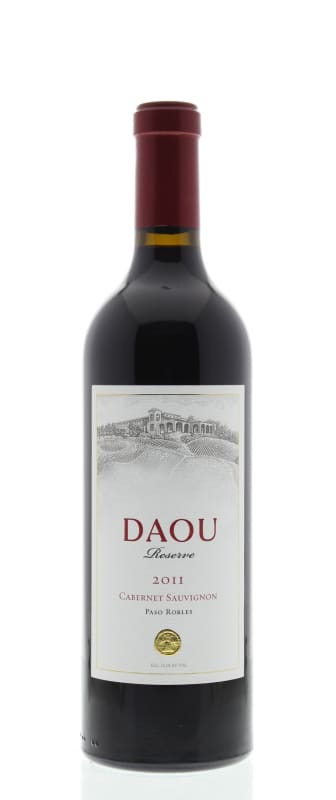


Winemaker Notes
A blue hue shades the side of the glass while the wine's tears lead you to a dark crimson core. The glass showcases scents of crushed boysenber-ries and black currants which is followed by hints of cedar box and to-bacco leaves. The wine's structure consists of benchmark Cabernet Sauvignon traits. Moderate acidity combines with firm but revealing tannins. When tasted the complexity of the dark fruit with the second-ary aromas provide a seamless balance. The French oak's spices of nut-meg, cloves and vanilla help add to the complexity and balance of this wine. The forward fruit allows this wine to be enjoyed today and the structure will allow it to be drunk over the next decade.
Blend: 79% Cabernet Sauvignon, 7% Cabernet Franc, 5% Merlot, 9% Petit Verdot
Professional Ratings
-
Tasting Panel
One of the stars of the vintage; loaded and well-built; firm, with berry and black currant flavors; shows excellent depth and range of flavors; youthful and bright; has cellaring potential of a half a dozen years or so.
-
Wine Enthusiast
Black cherry, leather, tar and nose-tickling clove aromas mix with a tad of green pepper on the nose of this signature bottling. The wine is very elegant in structure and memorable in flavors of peppercorn and cherry pie, all while retaining an acidic tartness.
-
Robert Parker's Wine Advocate
The 2011 Cabernet Sauvignon Reserve (77% Cabernet Sauvignon, 10% Merlot, 9% Petit Verdot and the rest Merlot) is a complete, elegant and balanced red that gives up classic black cherries, wild herbs, tobacco leaf and spice-driven aromas and flavors. It has remarkable purity and a focused, clean finish. Drink it over the coming decade or more.
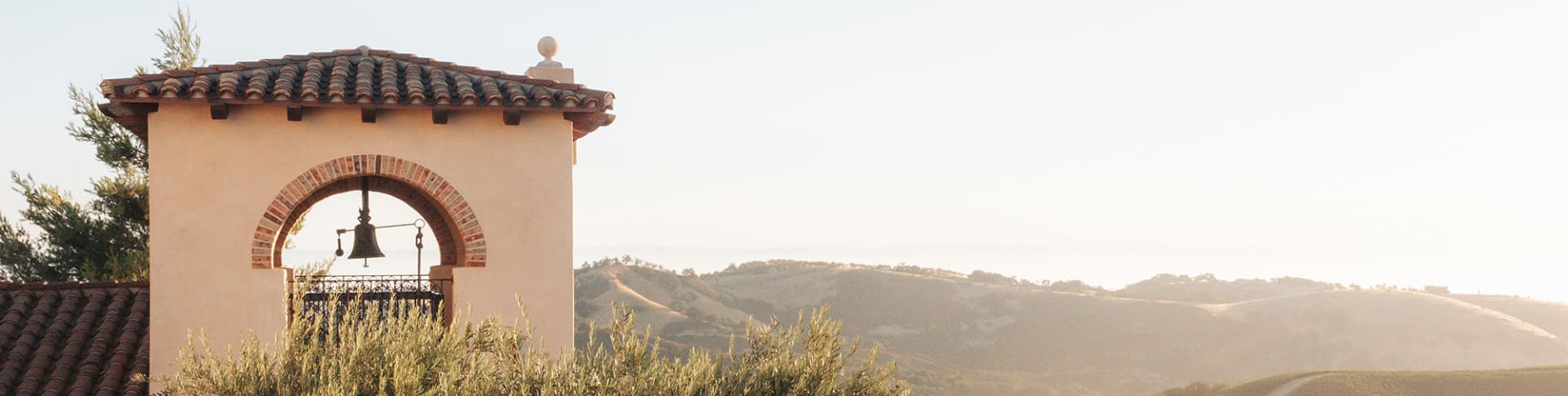


Brothers Georges Daou and Daniel Daou set forth across the globe to find an unrivaled terroir for producing Cabernet Sauvignon, a quest that led them to a place of foretold greatness: DAOU Mountain in the Adelaida District of Paso Robles. DAOU Family Estates is a family owned and operated winery committed to producing collectible, world-class wine to rival the most respected appellations. Situated on a 212-acre hilltop estate in the Adelaida District of Paso Robles, this remarkable mountain was once described by André Tchelistcheff, legendary winemaking authority, as “a jewel of ecological elements.”
DAOU Mountain stands alone at an elevation of 2,200 feet, rising from the heart of the Adelaida District in the rugged coastal range west of Paso Robles. The steep slopes here reach up to 56 percent, with uniform exposure to the elements across the estate. It is a terroir of power, purity and symmetry, with every natural asset necessary to pursue the perfect Cabernet Sauvignon—including calcareous clay soils that emulate Bordeaux’s Right Bank and a climate that mirrors St. Helena.
There is a power within this Mountain they call home. It is a power that can turn mere raindrops and roots into extraordinary wines—and into lasting relationships—that will endure for decades. Everyday the winery strives to create an experience as beautiful as these wines, ensuring that everyone feels like family. There is nothing more important than human connection.

A noble variety bestowed with both power and concentration, Cabernet Sauvignon enjoys success all over the globe, its best examples showing potential to age beautifully for decades. Cabernet Sauvignon flourishes in Bordeaux's Medoc where it is often blended with Merlot and smaller amounts of some combination of Cabernet Franc, Malbecand Petit Verdot. In the Napa Valley, ‘Cab’ is responsible for some of the world’s most prestigious, age-worthy and sought-after “cult” wines. Somm Secret—DNA profiling in 1997 revealed that Cabernet Sauvignon was born from a spontaneous crossing of Cabernet Franc and Sauvignon Blanc in 17th century southwest France.
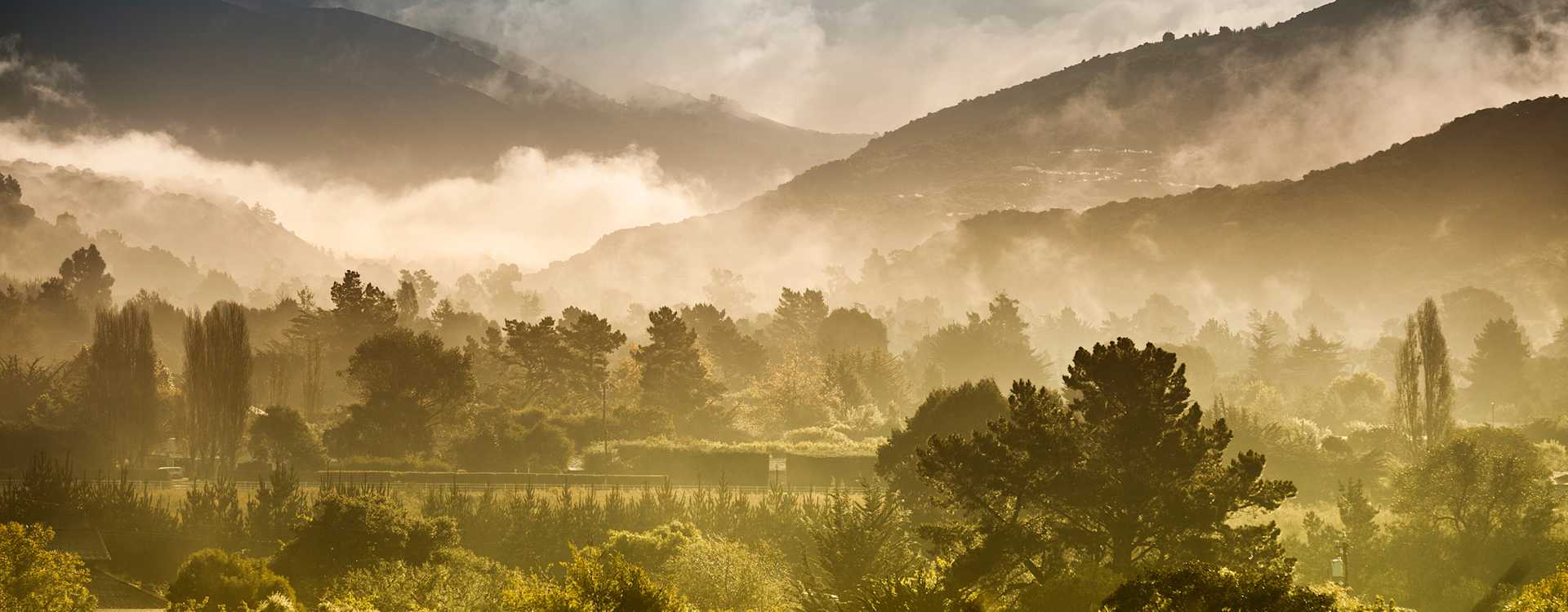
The largest and perhaps most varied of California’s wine-growing regions, the Central Coast produces a good majority of the state's wine. This vast California wine district stretches from San Francisco all the way to Santa Barbara along the coast, and reaches inland nearly all the way to the Central Valley.
Encompassing an extremely diverse array of climates, soil types and wine styles, it contains many smaller sub-AVAs, including San Francisco Bay, Monterey, the Santa Cruz Mountains, Paso Robles, Edna Valley, Santa Ynez Valley and Santa Maria Valley.
While the Central Coast California wine region could probably support almost any major grape varietiy, it is famous for a few Central Coast reds and whites. Pinot Noir, Chardonnay, Cabernet Sauvignon and Zinfandel are among the major ones. The Central Coast is home to many of the state's small, artisanal wineries crafting unique, high-quality wines, as well as larger producers also making exceptional wines.