
Winemaker Notes
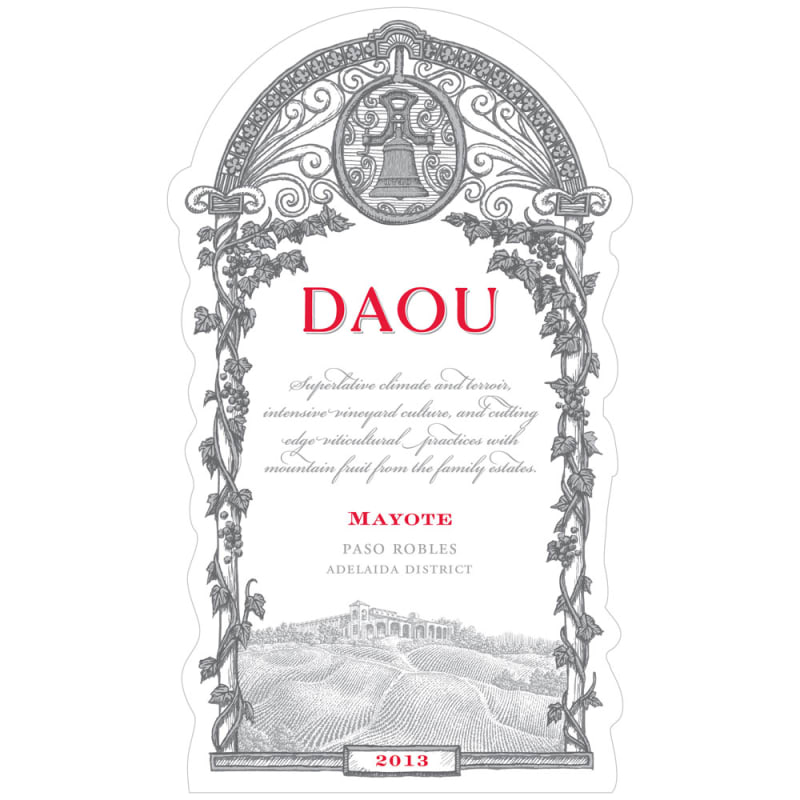
Blend: 45% Syrah, 43% Cabernet Sauvignon, 12% Petit Verdot.
Professional Ratings
-
Robert Parker's Wine Advocate
A step up over the '12, the 2013 Mayote (45% Syrah, 40% Cabernet Sauvignon and the rest Petit Verdot) is blockbuster that knocks it out of the park with its decadent plum, blackberry, lead pencil, graphite and peppery aromas and flavors. Big, full-bodied, expansive and layered, this 2013 has superb concentration, lots of ripeness and a tons of chalky minerality on the finish. I suspect it will drink nicely on release, yet have 15 years or more of overall longevity.
Barrel Sample: 93-95 Points -
Wilfred Wong of Wine.com
As an experienced wine taster of 40 years, I am never sure what to do with these mixed reds—blends of Bordeaux and Rhône varieties. But as a wine lover, I know that the 2013 Daou Estate Mayote belongs in my glass. The wine packs a potpourri of delectable flavors—black fruit, dried leaves, smoke, red berries, blueberries and much more. Pair this exotic wine with slowly-braised meats. Drinking quite nicely now. (Tasted: May 9, 2016, San Francisco, CA)
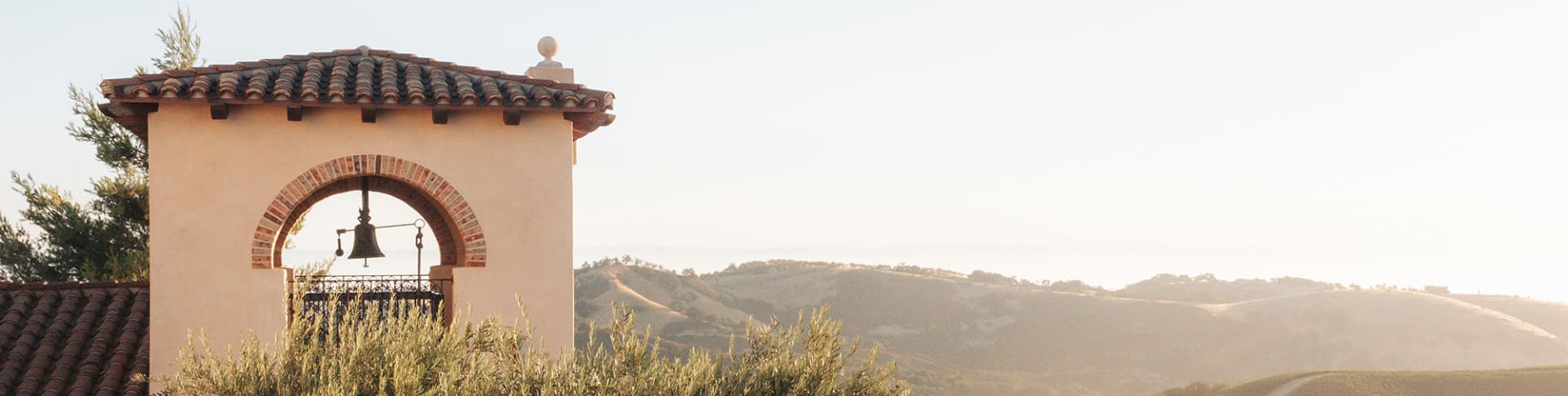


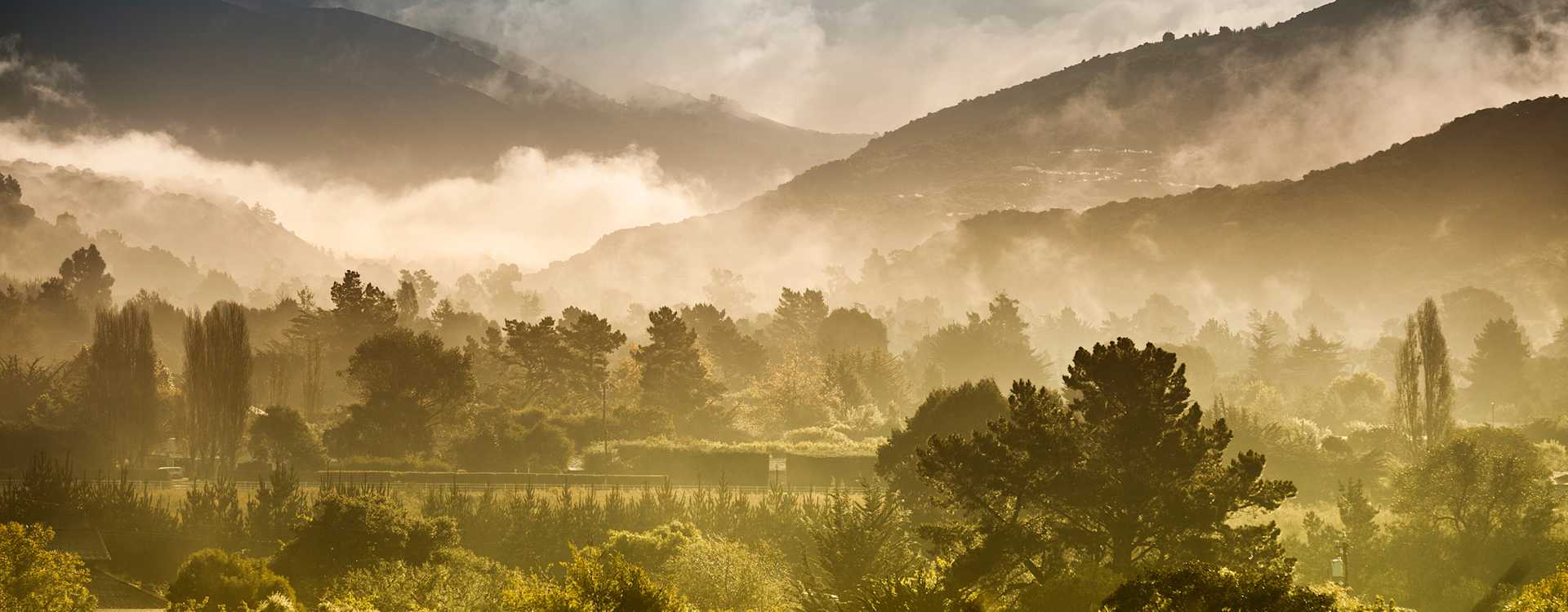
Brothers Georges Daou and Daniel Daou set forth across the globe to find an unrivaled terroir for producing Cabernet Sauvignon, a quest that led them to a place of foretold greatness: DAOU Mountain in the Adelaida District of Paso Robles. DAOU Family Estates is a family owned and operated winery committed to producing collectible, world-class wine to rival the most respected appellations. Situated on a 212-acre hilltop estate in the Adelaida District of Paso Robles, this remarkable mountain was once described by André Tchelistcheff, legendary winemaking authority, as “a jewel of ecological elements.”
DAOU Mountain stands alone at an elevation of 2,200 feet, rising from the heart of the Adelaida District in the rugged coastal range west of Paso Robles. The steep slopes here reach up to 56 percent, with uniform exposure to the elements across the estate. It is a terroir of power, purity and symmetry, with every natural asset necessary to pursue the perfect Cabernet Sauvignon—including calcareous clay soils that emulate Bordeaux’s Right Bank and a climate that mirrors St. Helena.
There is a power within this Mountain they call home. It is a power that can turn mere raindrops and roots into extraordinary wines—and into lasting relationships—that will endure for decades. Everyday the winery strives to create an experience as beautiful as these wines, ensuring that everyone feels like family. There is nothing more important than human connection.

With hundreds of red grape varieties to choose from, winemakers have the freedom to create a virtually endless assortment of blended red wines. In many European regions, strict laws are in place determining the set of varieties that may be used, but in the New World, experimentation is permitted and encouraged resulting in a wide variety of red wine styles. Blending can be utilized to enhance balance or create complexity, lending different layers of flavors and aromas. For example, a red wine blend variety that creates a fruity and full-bodied wine would do well combined with one that is naturally high in acidity and tannins. Sometimes small amounts of a particular variety are added to boost color or aromatics. Blending can take place before or after fermentation, with the latter, more popular option giving more control to the winemaker over the final qualities of the wine.
How to Serve Red Wine
A common piece of advice is to serve red wine at “room temperature,” but this suggestion is imprecise. After all, room temperature in January is likely to be quite different than in August, even considering the possible effect of central heating and air conditioning systems. The proper temperature to aim for is 55° F to 60° F for lighter-bodied reds and 60° F to 65° F for fuller-bodied wines.
How Long Does Red Wine Last?
Once opened and re-corked, a bottle stored in a cool, dark environment (like your fridge) will stay fresh and nicely drinkable for a day or two. There are products available that can extend that period by a couple of days. As for unopened bottles, optimal storage means keeping them on their sides in a moderately humid environment at about 57° F. Red wines stored in this manner will stay good – and possibly improve – for anywhere from one year to multiple decades. Assessing how long to hold on to a bottle is a complicated science. If you are planning long-term storage of your reds, seek the advice of a wine professional.