
Winemaker Notes
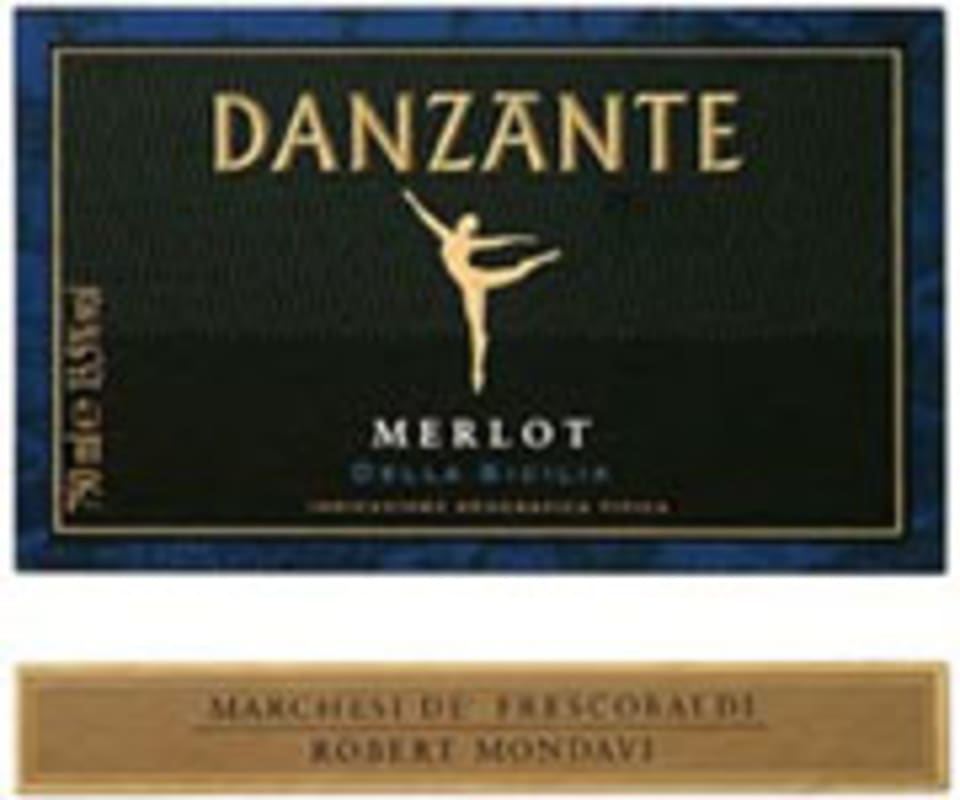
The Danzante 2002 Merlot unfolds in velvety layers of plum and blueberry, with nuances of spicy cinnamon and fresh pepper. This intense ruby red and purple-hued wine has a soft, smooth mouthfeel with balanced tannins. The flavors carry through the sweet, persistent finish. To achieve the approachable, fruit-forward style of Danzante Merlot, selected hillside vineyards were selected in the province of Agrigento, Sicily. Sicily, Italy's southernmost region, has been an important winegrowing area for nearly 3,000 years. Enjoy this wine with pasta dishes with spicy vegetable and cheese sauces. Or try it with chicken stew or baked rabbit.


With generous fruit and supple tannins, Merlot is made in a range of styles from everyday-drinking to world-renowned and age-worthy. Merlot is the dominant variety in the wines from Bordeaux’s Right Bank regions of St. Emilion and Pomerol, where it is often blended with Cabernet Franc to spectacular result. Merlot also frequently shines on its own, particularly in California’s Napa Valley. Somm Secret—As much as Miles derided the variety in the 2004 film, Sideways, his prized 1961 Château Cheval Blanc is actually a blend of Merlot and Cabernet Franc.

A large, geographically and climatically diverse island, just off the toe of Italy, Sicily has long been recognized for its fortified Marsala wines. But it is also a wonderful source of diverse, high quality red and white wines. Steadily increasing in popularity over the past few decades, Italy’s fourth largest wine-producing region is finally receiving the accolades it deserves and shining in today's global market.
Though most think of the climate here as simply hot and dry, variations on this sun-drenched island range from cool Mediterranean along the coastlines to more extreme in its inland zones. Of particular note are the various microclimates of Europe's largest volcano, Mount Etna, where vineyards grow on drastically steep hillsides and varying aspects to the Ionian Sea. The more noteworthy red and white Sicilian wines that come from the volcanic soils of Mount Etna include Nerello Mascalese and Nerello Cappuccio (reds) and Carricante (whites). All share a racy streak of minerality and, at their best, bear resemblance to their respective red and white Burgundies.
Nero d’Avola is the most widely planted red variety, and is great either as single varietal bottling or in blends with other indigenous varieties or even with international ones. For example, Nero d'Avola is blended with the lighter and floral, Frappato grape, to create the elegant, Cerasuolo di Vittoria, one of the more traditional and respected Sicilian wines of the island.
Grillo and Inzolia, the grapes of Marsala, are also used to produce aromatic, crisp dry Sicilian white. Pantelleria, a subtropical island belonging to the province of Sicily, specializes in Moscato di Pantelleria, made from the variety locally known as Zibibbo.