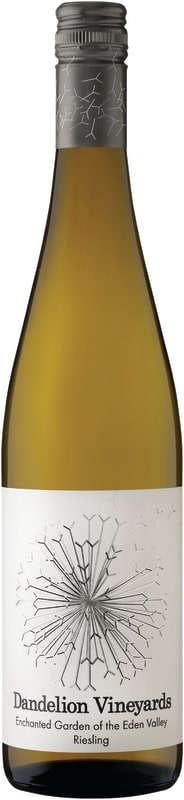


Winemaker Notes
Flashes of yellow, gold, and green. Subtle hues yet hints of brilliance. A panoply of citrus combined with polished steel leads an aromatic charge directly to your olfactory bulb. Who needs smelling salts when you can raise such a glass of riesling. Behind the heightened aromaticity hides some plaintive notes of fruits tropical and exotic. Texture and weight - or its effortless weightlessness - is the first impression. Mineral water ‘non-gas’, mineral salts, talcum, and an attenuated austerity. Yet from the mid-palate comes a roundness and richness of riesling fruit, in a tiny cluster of quantum power. Sharp and righteous acidity arrives at the back palate to sweep all before and away, as if a tide taken at the height.
This white wine’s purity and acidity and citrus personality waits for elaborate and yet simple, honorific fish dishes. Nori roll with salmon, sashimi, the world’s simplest and freshest rice paper roll; an oyster just before the Vernal Equinox; a prawn boiled for one minute in sea water… Or alone in a glass with a view of the Sea.
Professional Ratings
-
James Suckling
This is a very fresh, focused lemon style with unwavering fresh and linear character on the palate. Really hits the mark cleanly.


Riesling possesses a remarkable ability to reflect the character of wherever it is grown while still maintaining its identity. A regal variety of incredible purity and precision, this versatile grape can be just as enjoyable dry or sweet, young or old, still or sparkling and can age longer than nearly any other white variety. Somm Secret—Given how difficult it is to discern the level of sweetness in a Riesling from the label, here are some clues to find the dry ones. First, look for the world “trocken.” (“Halbtrocken” or “feinherb” mean off-dry.) Also a higher abv usually indicates a drier Riesling.
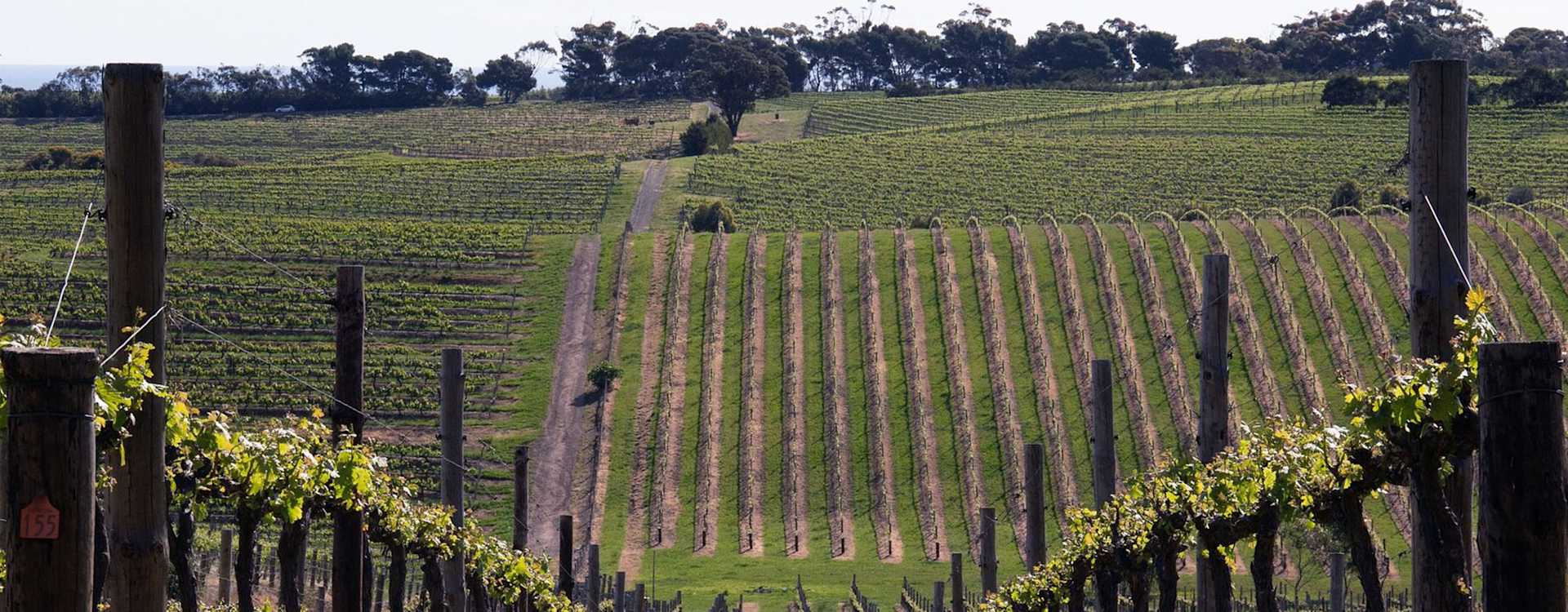
Higher in elevation and topographically more dramatic than the Barossa Valley floor, Eden Valley abuts it to its south and east. While it is a bit of an extension of Barossa, Eden Valley is topographically different than the pastoral Barossa Valley, and is composed of rocky hills and eucalyptus groves.
Recognizing Eden Valley’s potential with Riesling in the 1960s and 70s, producers started to move their Riesling production from Barossa to these better sites where schist soils on hilltops would produce more steely, tart and age-worthy examples. A most famous site, planted by Colin Gramp, called Steingarten, today produces one of the most outstanding Australian Rieslings. Youthful Eden Valley Rieslings express floral, grapefruit and mineral, while with time in the bottle, they become increasingly toasty and complex.
Riesling isn’t the only grape the region can grow; undeniably at lower altitudes Shiraz does very well. Mount Edelstone is a notable vineyard as well as the Hill of Grace, which boasts healthy Shiraz vines well over 100 years old. This is the only Australian region where Merlot has a made a name for itself and Chardonnay can be spectacular, particularly from the High Eden subregion in the southern valley.