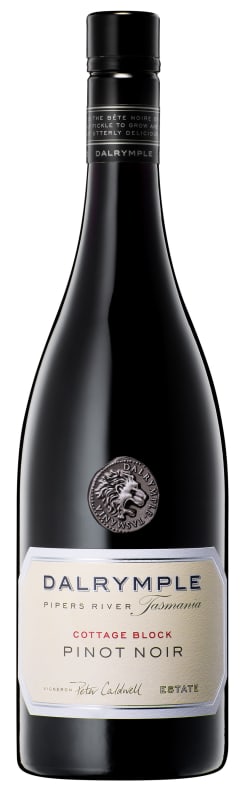


Winemaker Notes
The deep hues are characteristic of the season. aromas of black cherry, Asian spice and peat from the whole bunch component, with some savoury olive and dutch licorice adding to the complexity. The palate has brilliant balance of tannin and acidity, with fleshy black fruit on the front palate and a long, fresh finish. Hints of spice complexity and fine French oak provide a hint of what may unfold as the wine further develops in the glass over several hours or from cellaring.


Thin-skinned, finicky and temperamental, Pinot Noir is also one of the most rewarding grapes to grow and remains a labor of love for some of the greatest vignerons in Burgundy. Fairly adaptable but highly reflective of the environment in which it is grown, Pinot Noir prefers a cool climate and requires low yields to achieve high quality. Outside of France, outstanding examples come from in Oregon, California and throughout specific locations in wine-producing world. Somm Secret—André Tchelistcheff, California’s most influential post-Prohibition winemaker decidedly stayed away from the grape, claiming “God made Cabernet. The Devil made Pinot Noir.”

Directly south of the city of Melbourne and the Mornington Peninsula wine region, the cool-climate island of Tasmania has earned an honorable reputation as the country’s finest producer of Sparkling Wine. Naturally the region also excels in top quality still wines from Pinot Noir, Chardonnay and Riesling, all distinguished because of a high natural acidity. Most of the Tasmania vineyards cluster around the eastern side of the island from north to south.