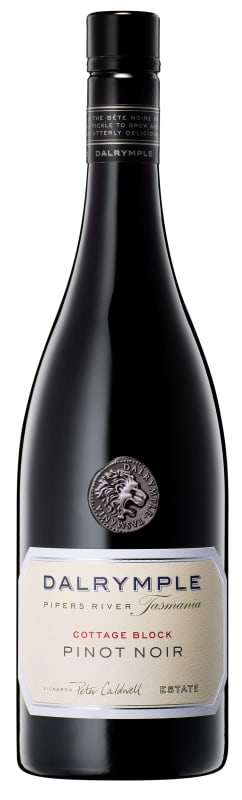


Winemaker Notes
Slow cooked duck with green olives, Herbes de Provence and spiced couscous or shiitake and black olive scallopine with artichokes and capers.
Professional Ratings
-
Vinous
Light ruby. Pungent cherry and red currant scents are complemented by suggestions of botanical herbs, rose oil and freshly turned earth. Bitter cherry, red berry and candied rose flavors steadily turn sweeter through the back half. The spice and floral notes drive an impressively long, subtly chewy and precise finish framed by discreet, well-knit tannins.
-
Wine Enthusiast
A multifaceted, characterful bottling from Australia's coolest winemaking region, this Pinot opens on the medicinal, sappy side, with sassafras root, cherry cordial, violet and roses on their stems, and a slight charred-meat nuance. The palate is medium in weight, simultaneously earthy, tangy, fruity and savory, with some whole bunch-derived spice and a grip of well placed tannins. A mutable wine that will likely offer a multitude of personalities over the years. Drink now–2030.


Thin-skinned, finicky and temperamental, Pinot Noir is also one of the most rewarding grapes to grow and remains a labor of love for some of the greatest vignerons in Burgundy. Fairly adaptable but highly reflective of the environment in which it is grown, Pinot Noir prefers a cool climate and requires low yields to achieve high quality. Outside of France, outstanding examples come from in Oregon, California and throughout specific locations in wine-producing world. Somm Secret—André Tchelistcheff, California’s most influential post-Prohibition winemaker decidedly stayed away from the grape, claiming “God made Cabernet. The Devil made Pinot Noir.”

Directly south of the city of Melbourne and the Mornington Peninsula wine region, the cool-climate island of Tasmania has earned an honorable reputation as the country’s finest producer of Sparkling Wine. Naturally the region also excels in top quality still wines from Pinot Noir, Chardonnay and Riesling, all distinguished because of a high natural acidity. Most of the Tasmania vineyards cluster around the eastern side of the island from north to south.