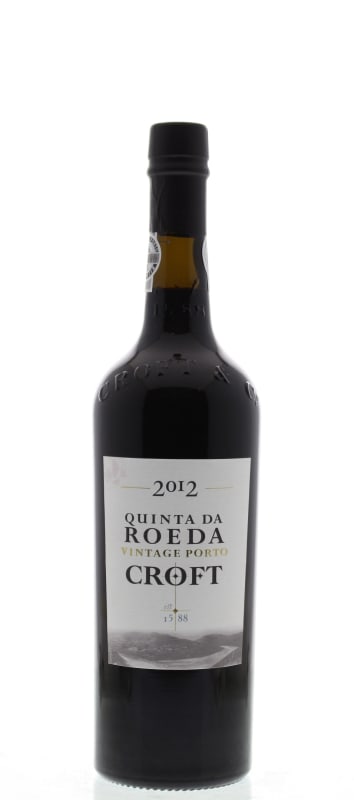


Winemaker Notes
Professional Ratings
-
Wine Spectator
This shows a peppery note to the dark plum and cherry tart flavors, with hints of dark currant and graphite. Elegant, with plenty of grip and bittersweet chocolate details on the finish. Drink now through 2040.
-
Robert Parker's Wine Advocate
The 2012 Quinta da Roeda Port was bottled in 2014 and comes in at 103 grams per liter of residual sugar. Full-bodied and quite gripping on opening, it has a burnished, darker feel in flavor, plus good acidity. With air, it becomes far more elegant, seeming lighter in mouthfeel and quite graceful – but always with that serious backbone. Then, it shows off a certain silky texture (that seems to crop up a lot in this vintage) and it finishes with intensity of flavor. If it is not the most concentrated Port, it holds its own for the most part. By Day 3, it is in very fine balance, demonstrating power, the likelihood of future harmony and tasty fruit. It is a very nice effort in this vintage, although of the three Taylor Fladgate submissions this issue, it is the one that improved the least with a few days of aeration. It should still hold well for the foreseeable future. While it is probably the most approachable of the three submissions from the Taylor Fladgate group this issue, give it a few years to settle down for best results.
-
Wine Enthusiast
Wonderfully floral, this wine is rich while also having great fruits, a fresher edge and tannins that caress. From the Croft home vineyard, it shows fullness and structure. The aftertaste is so fruity and fragrant, it’s almost drinkable now. Wait, though, until 2020.
-
Wine & Spirits
David Guimaraens and Antonio Magalhães have been renovating the vineyards at Roeda since 2001, when it became part of what is now the Fladgate Partnership (owners of Taylor Fladgate and Fonseca). Much of their work has focused on recreating the mixed varietal plantings of classic Douro vineyards, with a modern and pragmatic take: Rather than mix vines randomly, they have planted small blocks so individual varieties can get the attention they need, while building on the complexity of expression from the soils and the site. That work shows in the tight weave of this 2012, a lithe and muscular Port with equal power in its structure, its alcohol and its purple fruit. That fruit keeps juicing up around the spicy, herbal intensity of the tannins, which carry the kind of mineral compression that suggests a long life ahead. This may not live as long as the 2011, but it’s a terrific wine in its own right.


Port is a sweet, fortified wine with numerous styles: Ruby, Tawny, Vintage, Late Bottled Vintage (LBV), White, Colheita, and a few unusual others. It is blended from from the most important red grapes of the Douro Valley, based primarily on Touriga Nacional with over 80 other varieties approved for use. Most Ports are best served slightly chilled at around 55-65°F. To learn more, see our full Port Wine Guide

The home of Port—perhaps the most internationally acclaimed beverage—the Douro region of Portugal is one of the world’s oldest delimited wine regions, established in 1756. The vineyards of the Douro, set on the slopes surrounding the Douro River (known as the Duero in Spain), are incredibly steep, necessitating the use of terracing and thus, manual vineyard management as well as harvesting. The Douro's best sites, rare outcroppings of Cambrian schist, are reserved for vineyards that yield high quality Port.
While more than 100 indigenous varieties are approved for wine production in the Douro, there are five primary grapes that make up most Port and the region's excellent, though less known, red table wines. Touriga Nacional is the finest of these, prized for its deep color, tannins and floral aromatics. Tinta Roriz (Spain's Tempranillo) adds bright acidity and red fruit flavors. Touriga Franca shows great persistence of fruit and Tinta Barroca helps round out the blend with its supple texture. Tinta Cão, a fine but low-yielding variety, is now rarely planted but still highly valued for its ability to produce excellent, complex wines.
White wines, generally crisp, mineral-driven blends of Arinto, Viosinho, Gouveio, Malvasia Fina and an assortment of other rare but local varieties, are produced in small quantities but worth noting.
With hot summers and cool, wet winters, the Duoro has a maritime climate.