


Winemaker Notes
Professional Ratings
-
Robert Parker's Wine Advocate
The 2022 Viognier Louise Vineyard comes from vines planted in 1993. It has an intense, heady perfume of lychee, peaches, toasted meringue, pie crust and jasmine. The medium-bodied palate is bursting with pure, generous fruit. Its textural grip is balanced by vibrant acidity, and it has a long, floral finish.
-
Vinous
Spicy and with a lovely herbal tinge, the 2022 Viognier Louise Vineyard blends young kiwi with lime zest and green apples. This is wonderfully perfumed with candied citrus, adding a lovely sweetness. Tart orchard fruits combine with zesty acidity, creating a push and pull of tension. It finishes with cheek-puckering freshness, leaving hints of mint and a mineral tang. Wow, this zesty effort is nearly impossible to put down.

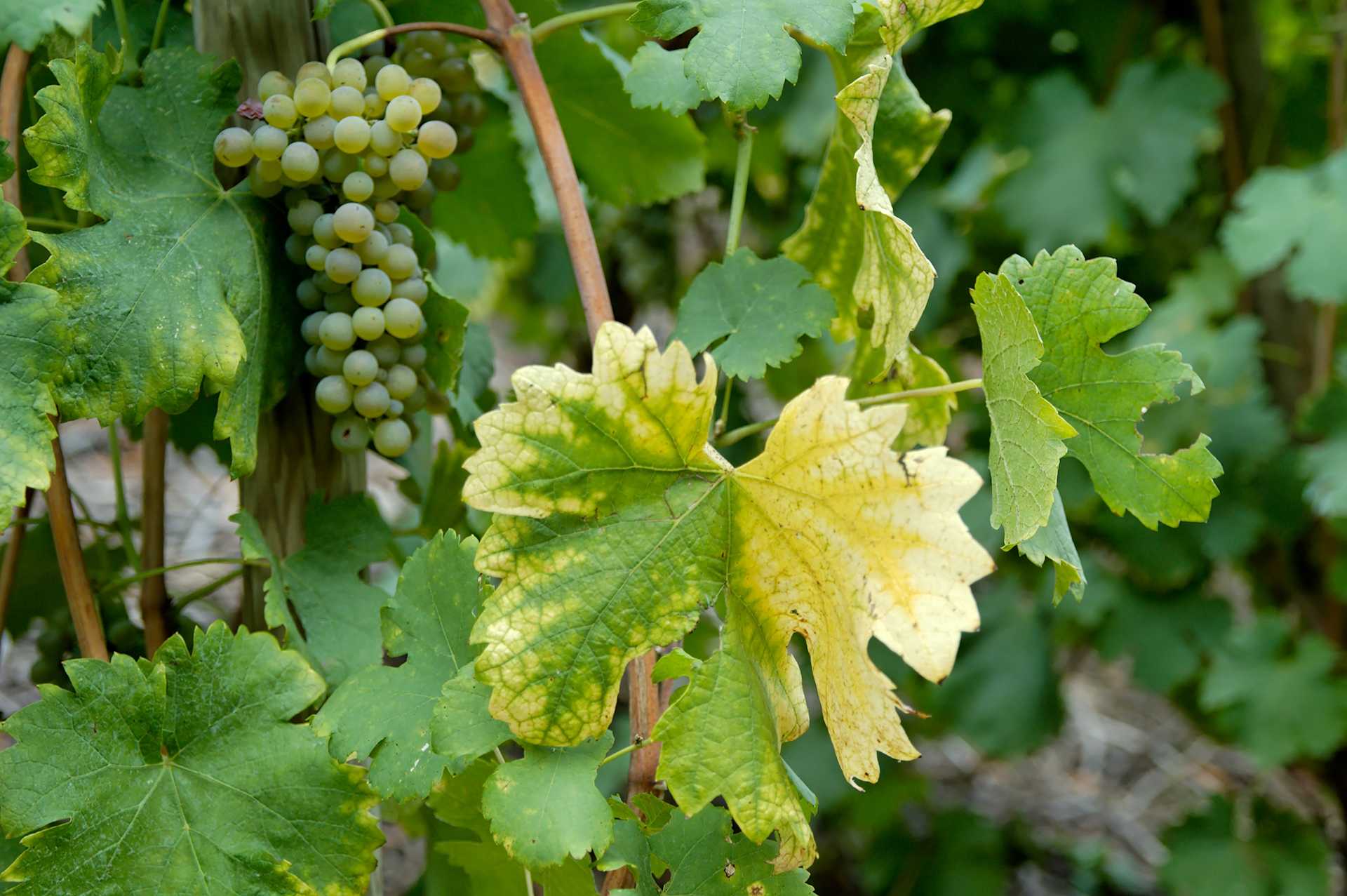
Full-figured and charmingly floral, Viognier is one of the most important white grapes of the northern Rhône where it is used both to produce single varietal wines and as an important blending grape. Look for great New World examples from California, Oregon, Washington and cooler parts of Australia. Somm Secret—Viognier plays a surprisingly important role in the red wines of Côte Rôtie in the northern Rhône. About 5% Viognier is typically co-fermented with the Syrah in order to stabilize the color, and as an added benefit, add a subtle perfume.

Running north to south, adjacent to the Willamette River, the Eola-Amity Hills AVA has shallow and well-drained soils created from ancient lava flows (called Jory), marine sediments, rocks and alluvial deposits. These soils force vine roots to dig deep, producing small grapes with great concentration.
Like in the McMinnville sub-AVA, cold Pacific air streams in via the Van Duzer Corridor and assists the maintenance of higher acidity in its grapes. This great concentration, combined with marked acidity, give the Eola-Amity Hills wines—namely Pinot noir—their distinct character. While the region covers 40,000 acres, no more than 1,400 acres are covered in vine.