

Winemaker Notes
Professional Ratings
-
Jeb Dunnuck
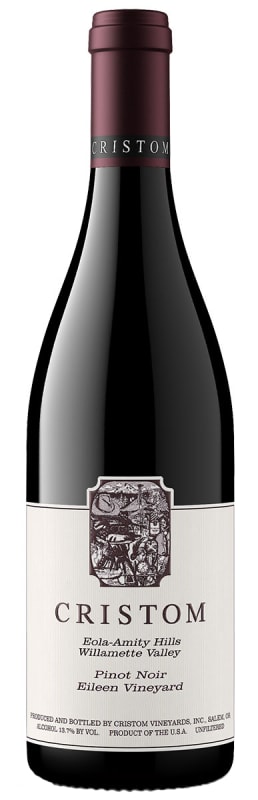
A deeper ruby/magenta color, the 2023 Pinot Noir Eileen Vineyard was aged in 48% new French oak. It offers layered depth in its notes of black raspberries, cherries, orange peel, baking spice, strawberry preserves, violets, mossy earth, and fresh leather. From the highest elevation site at 800 feet, and as Daniel Estrin describes it “born from the wind,” it has floral lift, with concentrated richness and a relatively full-bodied frame. Mouthwatering and stunning now, it will drink well over the next 20 years.
-
James Suckling
An intense and aromatic wine with crushed flowers, juniper and sweet oak spices on the nose. There is a rustic, wild nature to this full-bodied wine, with flavors of spices, red and black fruit and broad, mouth-filling tannins.
-
Robert Parker's Wine Advocate
The 2023 Pinot Noir Eileen Vineyard was fermented with 48% whole clusters and matured for 18 months in 26% new French oak. It bursts from the glass with scents of pomegranate, red cherry, blackberry, pipe tobacco, forest floor and violets. The medium-bodied palate boasts highly concentrated, fragrant flavors. It’s framed by velvety tannins and bright acidity and has a long, layered finish.
-
Vinous
The 2023 Pinot Noir Eileen Vineyard is dusty, floral and lifted, with bright strawberry and wild blueberry tones complemented by sage and clove. It sweeps across the palate like liquid velvet, soothingly round and seamless in feel, displaying depths of ripe red and blue fruit. Tannic and long yet not severe, this leaves a pleasantly chewy concentration and a hint of violet pastille that lingers.
Rating: 94+ -
Wine Spectator
Tightly focused and full of tension, this Pinot slowly opens up in the glass, offering cherry and boysenberry flavors laced with dusky spice, forest floor and earthy mineral tones that end with big but refined tannins. Best from 2026 through 2035.


Thin-skinned, finicky and temperamental, Pinot Noir is also one of the most rewarding grapes to grow and remains a labor of love for some of the greatest vignerons in Burgundy. Fairly adaptable but highly reflective of the environment in which it is grown, Pinot Noir prefers a cool climate and requires low yields to achieve high quality. Outside of France, outstanding examples come from in Oregon, California and throughout specific locations in wine-producing world. Somm Secret—André Tchelistcheff, California’s most influential post-Prohibition winemaker decidedly stayed away from the grape, claiming “God made Cabernet. The Devil made Pinot Noir.”

Running north to south, adjacent to the Willamette River, the Eola-Amity Hills AVA has shallow and well-drained soils created from ancient lava flows (called Jory), marine sediments, rocks and alluvial deposits. These soils force vine roots to dig deep, producing small grapes with great concentration.
Like in the McMinnville sub-AVA, cold Pacific air streams in via the Van Duzer Corridor and assists the maintenance of higher acidity in its grapes. This great concentration, combined with marked acidity, give the Eola-Amity Hills wines—namely Pinot noir—their distinct character. While the region covers 40,000 acres, no more than 1,400 acres are covered in vine.