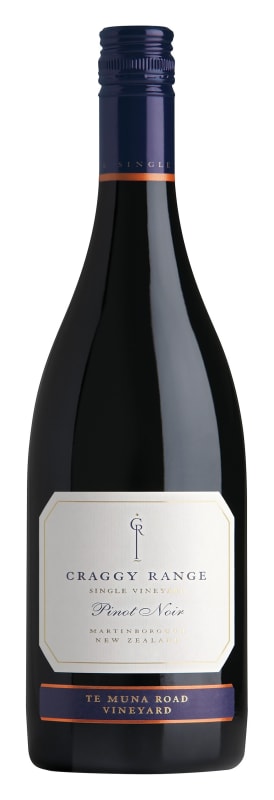


Winemaker Notes
Bright cherry with crimson hue. Lifted morello cherry, with complex notes of fresh truffle and wet earth. The palate provides the perfect amount of structure to carry the volume of varietal fruit that presents. The finish is endless.
Try with pan-seared and roasted duck leg, fresh pasta and sauteed mushroom risotto.
Professional Ratings
-
James Suckling
Attractive red-cherry, pot-pourri and rose aromas with gingerbread, too. The palate has a supple, juicy red-cherry core with a smooth-honed, long and focused finish. Upbeat.
-
Tasting Panel
Fermented with indigenous yeast, this French oak–aged red exudes aromas of wet leaves, pomegranate, and allspice. While strawberry and mulberry are tart and ripe, the taste of soil is evident. The acidity shows verve, contributing to an overall juicy character that makes for a desirable sipper.


Thin-skinned, finicky and temperamental, Pinot Noir is also one of the most rewarding grapes to grow and remains a labor of love for some of the greatest vignerons in Burgundy. Fairly adaptable but highly reflective of the environment in which it is grown, Pinot Noir prefers a cool climate and requires low yields to achieve high quality. Outside of France, outstanding examples come from in Oregon, California and throughout specific locations in wine-producing world. Somm Secret—André Tchelistcheff, California’s most influential post-Prohibition winemaker decidedly stayed away from the grape, claiming “God made Cabernet. The Devil made Pinot Noir.”

Part of the Wairarapa region in the southern end of the country’s North Island, Martinborough is a bucolic appellation full of artisan, lifestyle wine producers. Above all else, their goals are to tend vineyards for low yields and create wines of supreme quality. Pinot noir is the main grape variety here, occupying over half of the land under vine.
Comparing topography, climate and soils, the region is nearly identical to Marlborough except that it produces top quality reds on the regular.