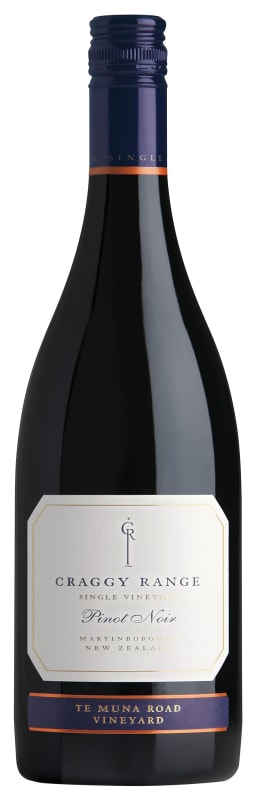


Winemaker Notes
Pair with duck dishes
Professional Ratings
-
Wine Spectator
Creamy and supple-textured, with complex notes of clay, black tea and star anise, accented by plum compote, tobacco and sage details. Comes together in harmony on the long, lingering finish, where a touch of tomato leaf lingers. Drink now through 2030.
-
Robert Parker's Wine Advocate
Pale to medium ruby-purple colored, the 2013 Te Muna Road Vineyard Pinot Noir has a soft-spoken nose at this youthful stage with suggestions of kirsch, roses and wild thyme plus a touch of underbrush. Light to medium-bodied and with great delicacy in the mouth, it has the faintest texture of silky tannins and seamless freshness, finishing with good persistence.


Thin-skinned, finicky and temperamental, Pinot Noir is also one of the most rewarding grapes to grow and remains a labor of love for some of the greatest vignerons in Burgundy. Fairly adaptable but highly reflective of the environment in which it is grown, Pinot Noir prefers a cool climate and requires low yields to achieve high quality. Outside of France, outstanding examples come from in Oregon, California and throughout specific locations in wine-producing world. Somm Secret—André Tchelistcheff, California’s most influential post-Prohibition winemaker decidedly stayed away from the grape, claiming “God made Cabernet. The Devil made Pinot Noir.”

Part of the Wairarapa region in the southern end of the country’s North Island, Martinborough is a bucolic appellation full of artisan, lifestyle wine producers. Above all else, their goals are to tend vineyards for low yields and create wines of supreme quality. Pinot noir is the main grape variety here, occupying over half of the land under vine.
Comparing topography, climate and soils, the region is nearly identical to Marlborough except that it produces top quality reds on the regular.