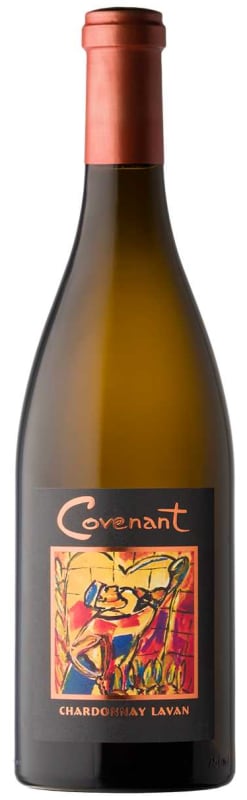


Winemaker Notes
The high-altitude, north-facing Scopus Vineyard harnesses a blend of lush California flavor tempered with cool-climate structure hanging on firm acidity and moderate body. Stone fruit, citrus and spice come to mind on the palate, all marked by the vineyard's classic mineral core. There’s a modest hint of toasty oak framing the ensemble, which ends long and fresh.
This wine is Kosher for Passover
Professional Ratings
-
Wine Spectator
Notes of fresh lemon curd, grilled pineapple and peach cobbler are round and expressive on an appealing, fleshy frame, with a crisp thread of acidity, plus details of candied ginger and baking spices. Dried orange peel and lemon verbena linger onthe finish.


One of the most popular and versatile white wine grapes, Chardonnay offers a wide range of flavors and styles depending on where it is grown and how it is made. While it tends to flourish in most environments, Chardonnay from its Burgundian homeland produces some of the most remarkable and longest lived examples. California produces both oaky, buttery styles and leaner, European-inspired wines. Somm Secret—The Burgundian subregion of Chablis, while typically using older oak barrels, produces a bright style similar to the unoaked style. Anyone who doesn't like oaky Chardonnay would likely enjoy Chablis.
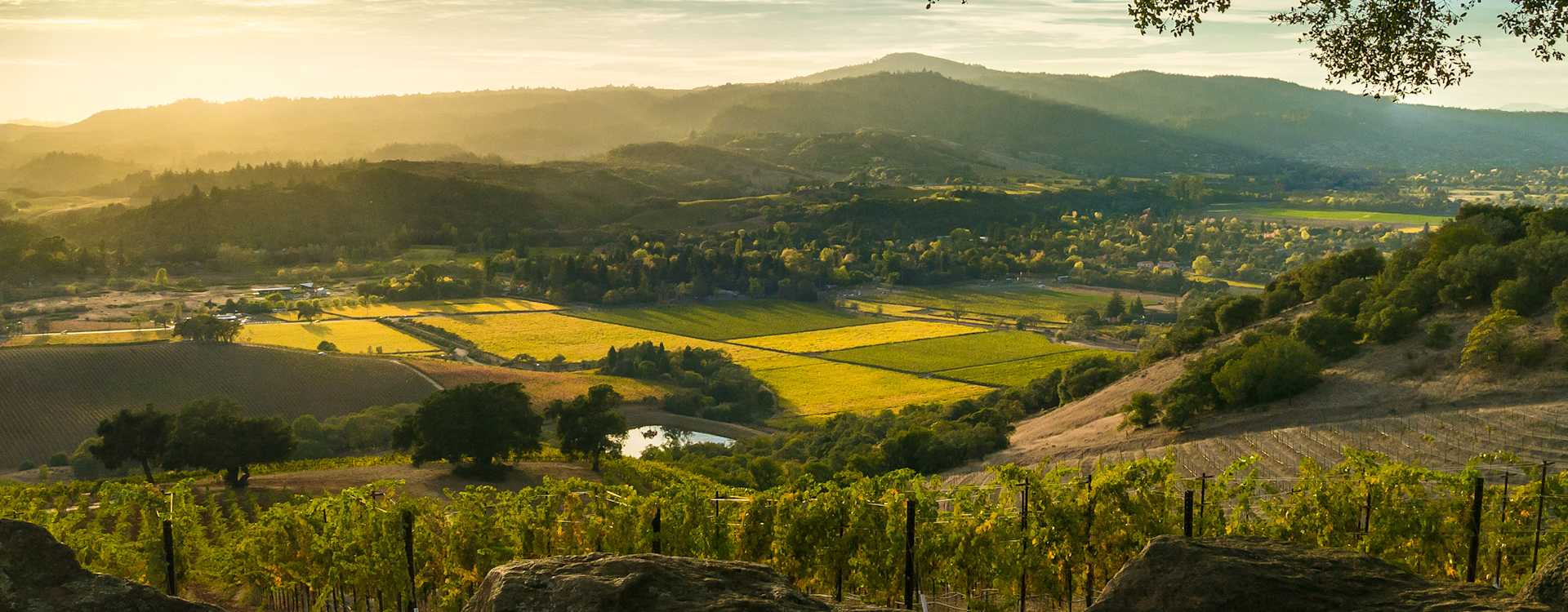
Defined more by altitude than geographical outline, the Sonoma Mountain appellation occupies elevations between 400 and 1,200 feet on the northern and eastern slopes of the actual Sonoma Mountain and is part of the greater Sonoma Valley appellation. The mountain reaches 2,400 feet; its hills separate the cooling winds of Petaluma Gap from the Sonoma Valley.
On a cooler western flank, Pinot noir, Chardonnay and Syrah enjoy a great deal of success. Vineyards on its warmer, eastern side, interspersed with heavily forested areas, tend to include Cabernet Sauvignon, Sauvignon Blanc, Zinfandel, and Syrah. Given its complexity of topography and mesoclimates, Sonoma Mountain excels with a wide range of grape varieties.