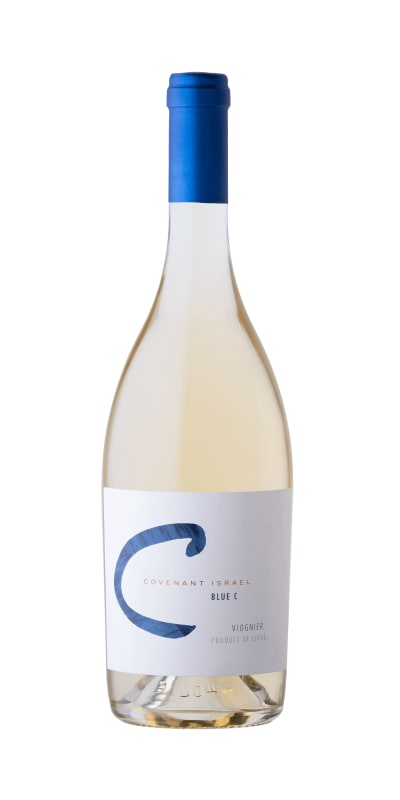


Winemaker Notes
Viognier has an exotic spice note that is apparent in this wine. The spice is followed by lovely stone fruit and citrus flavors, all couched in a light-textured, bright, fresh-tasting white wine.
Professional Ratings
-
Wilfred Wong of Wine.com
COMMENTARY: The 2019 Covenant Israel Blue C Viognier is expressive and lively. TASTING NOTES: This wine delivers beautiful aromas and flavors of dried peach skin and tart apples. Pair it with sliced roast chicken tossed in a mix of Iceberg lettuce, pickled scallions, and a tiny bit of dried red chiles. (Tasted: July 16, 2020, San Francisco, CA)

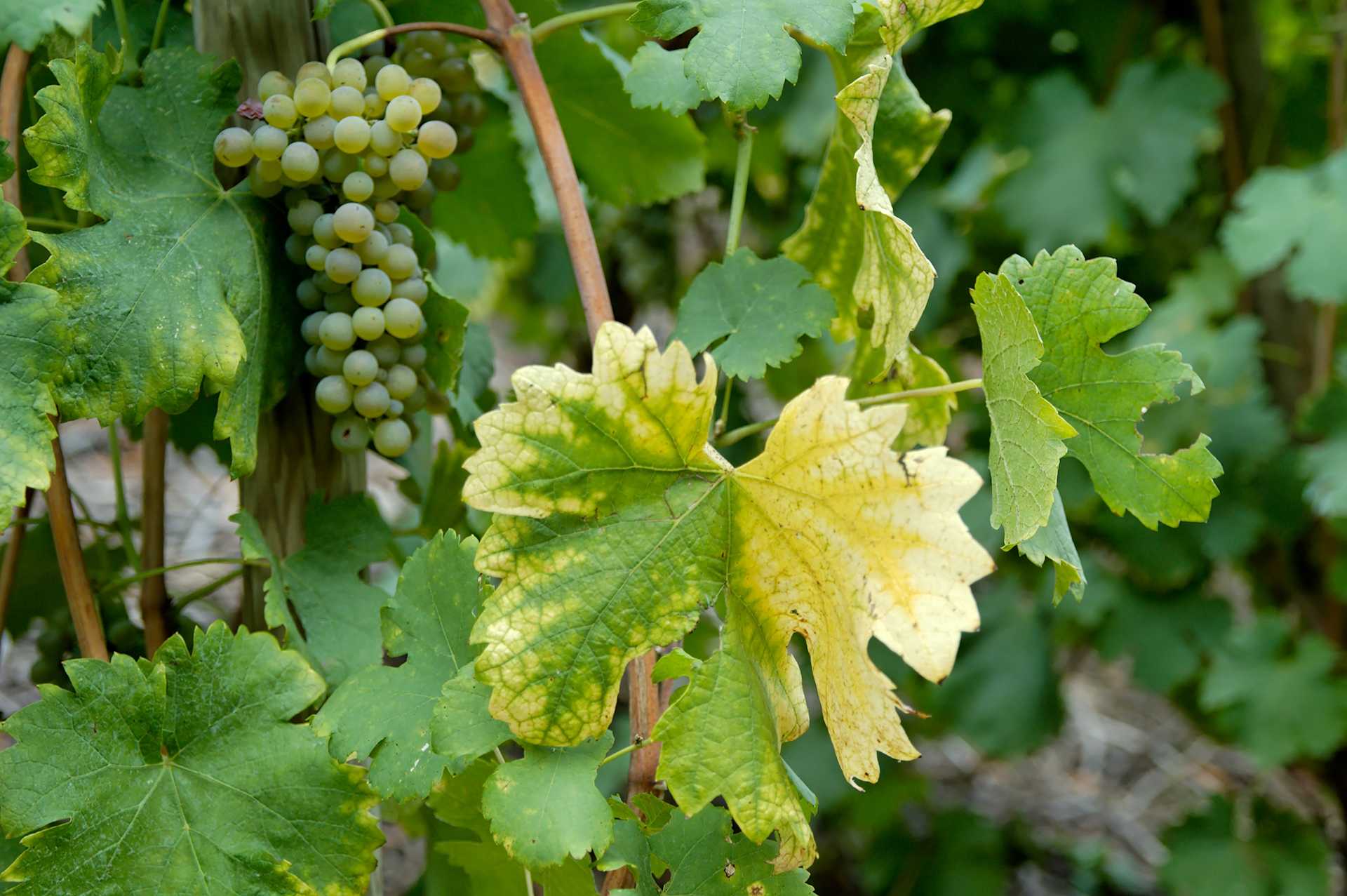
Full-figured and charmingly floral, Viognier is one of the most important white grapes of the northern Rhône where it is used both to produce single varietal wines and as an important blending grape. Look for great New World examples from California, Oregon, Washington and cooler parts of Australia. Somm Secret—Viognier plays a surprisingly important role in the red wines of Côte Rôtie in the northern Rhône. About 5% Viognier is typically co-fermented with the Syrah in order to stabilize the color, and as an added benefit, add a subtle perfume.

With a rich history of wine production dating back to biblical times, Israel is a part of the cradle of wine civilization. Here, wine was commonly used for religious ceremonies as well as for general consumption. During Roman times, it was a popular export, but during Islamic rule around 1300, production was virtually extinguished. The modern era of Israeli winemaking began in the late 19th century with help from Bordeaux’s Rothschild family. Accordingly, most grapes grown in Israel today are made from native French varieties. Indigenous varieties are all but extinct, though oenologists have made recent attempts to rediscover ancient varieties such as Marawi for commercial wine production.
In Israel’s Mediterranean climate, humidity and drought can be problematic, concentrating much of the country’s grape growing in the north near Galilee, Samaria near the coast and at higher elevations in the east. The most successful red varieties are Cabernet Sauvignon, Merlot, and Syrah, while the best whites are made from Chardonnay and Sauvignon Blanc. Many, though by no means all, Israeli wines are certified Kosher.