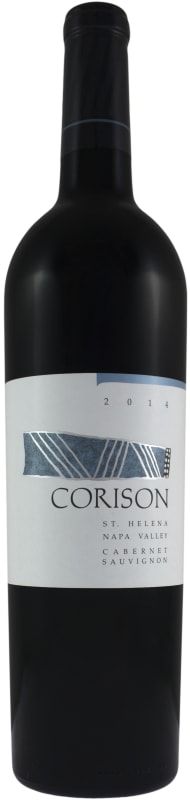


Winemaker Notes
Professional Ratings
-
Decanter
Another classic from Cathy Corison, the 2014 Cabernet displays a pretty bouquet of black cherry, petroleum jelly, cocoa nib and dried rose. On the palate the wine is intense, nicely concentrated and texturally refined, with good depth and a lovely line of bright acidity which lends a crunchy edge to the fruit. Drink from 2020-2040.
-
James Suckling
Aromas of wet earth and spices with sweet tobacco and currants. Fresh herbs. Medium body and ultra-fine tannins. Lively and bright. Better in 2020 but already a joy to drink.
-
Vinous
The 2014 Cabernet Sauvignon (Napa Valley) is terrific. Bold and racy, with gorgeous depth, the Napa Valley Cabernet does not seem like a ten-year-old wine. Dark fruit, leather, game and incense are all front and center. This is such a gorgeous wine. It's even better than it was on release, as it shows a bit more voluptuousness.
-
Wine & Spirits
A classical Napa Valley cabernet, this is bright, from its color straight through its taut line of cherry flavor. There’s an herbal aspect, bringing to mind lavender and eucalyptus, spicy, clean and integrated. Firmly built, this is structured for long development in the bottle.
-
Wine Spectator
Aromas of wet earth and spices with sweet tobacco and currants. Fresh herbs. Medium body and ultra-fine tannins. Lively and bright. Better in 2020 but already a joy to drink.


One of the most prestigious wines of the world capable of great power and grace, Napa Valley Cabernet is a leading force in the world of fine, famous, collectible red wine. Today the Napa Valley and Cabernet Sauvignon are so intrinsically linked that it is difficult to discuss one without the other. But it wasn’t until the 1970s that this marriage came to light; sudden international recognition rained upon Napa with the victory of the Stag’s Leap Wine Cellars 1973 Cabernet Sauvignon in the 1976 Judgement of Paris.
Cabernet Sauvignon undoubtedly dominates Napa Valley today, covering half of the land under vine, commanding the highest prices per ton and earning the most critical acclaim. Cabernet Sauvignon’s structure, acidity, capacity to thrive in multiple environs and ability to express nuances of vintage make it perfect for Napa Valley where incredible soil and geographical diversity are found and the climate is perfect for grape growing. Within the Napa Valley lie many smaller sub-AVAs that express specific characteristics based on situation, slope and soil—as a perfect example, Rutherford’s famous dust or Stags Leap District's tart cherry flavors.