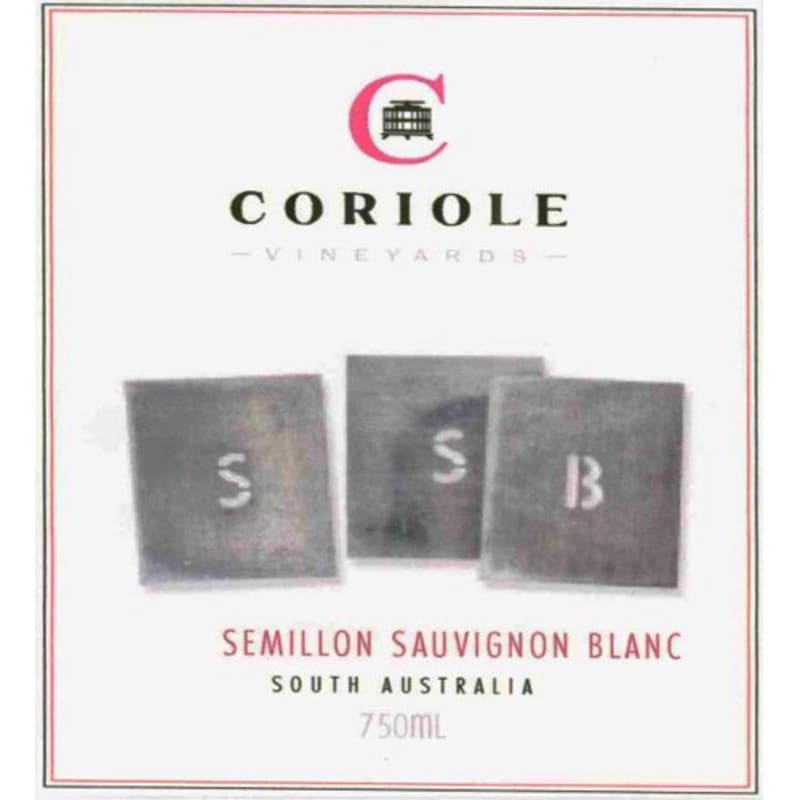

Winemaker Notes
This wine has a rich bouquet with very fresh flavors. The Semillon gives a great base and texture with the zest of Sauvignon Blanc adding liveliness and a crisp finish. The blend gains by exploiting the best characteristics of each region and what it offers each grape variety, giving more interest and complexity than many varietal Sauvignon Blancs. This blend has fresh fruity aromas of lycee apple and quince. It is a dry style with fullness and long texture. There is a distinct apple scent in the aftertaste. With its fresh clean fruit-driven flavors, this wine is ideal with seafood and fish, white meats, cream pastas and antipasto.

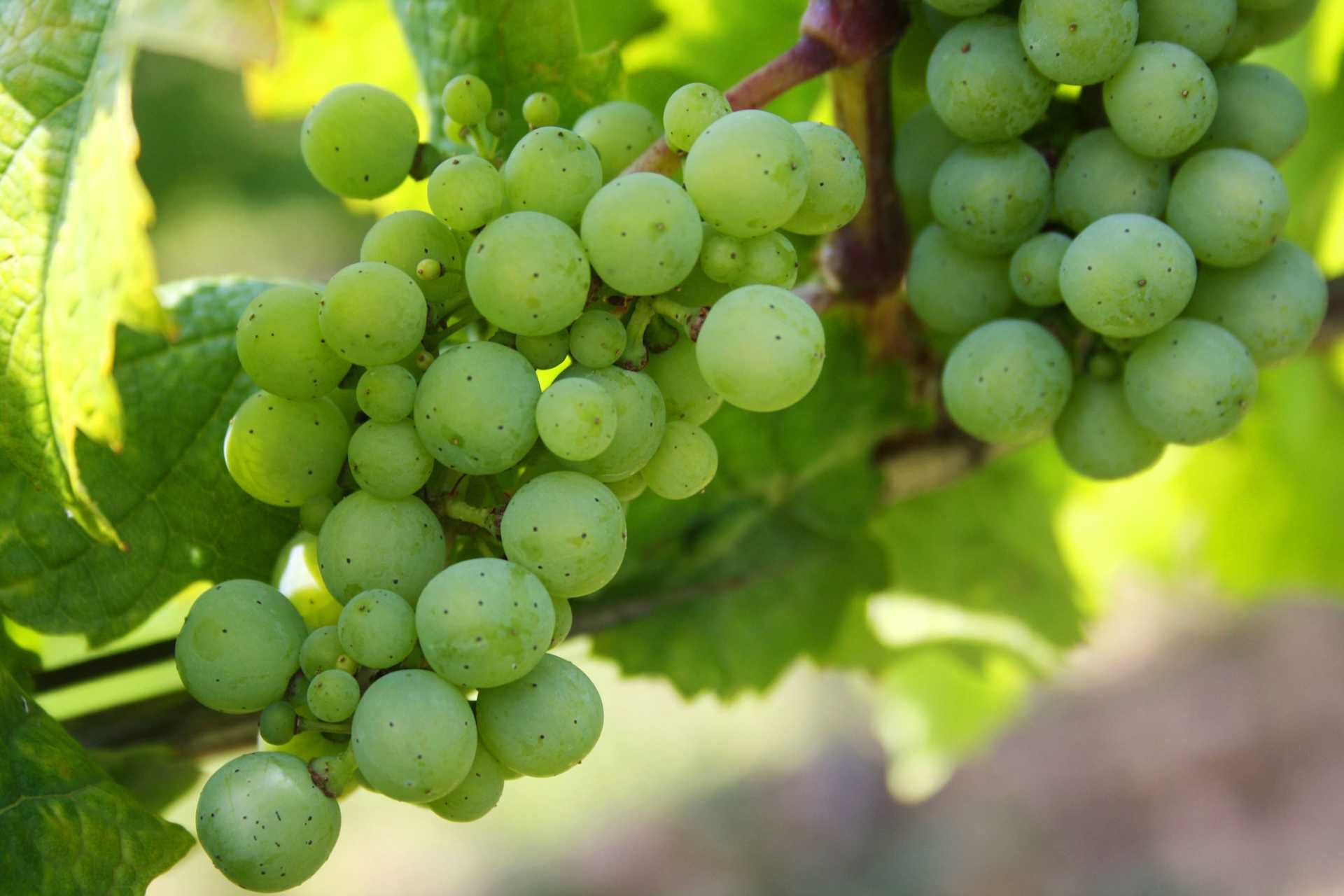
With hundreds of white grape varieties to choose from, winemakers have the freedom to create a virtually endless assortment of blended white wines. In many European regions, strict laws are in place determining the set of varieties that may be used in white wine blends, but in the New World, experimentation is permitted and encouraged. Blending can be utilized to enhance balance or create complexity, lending different layers of flavors and aromas. For example, a variety that creates a soft and full-bodied white wine blend, like Chardonnay, would do well combined with one that is more fragrant and naturally high in acidity. Sometimes small amounts of a particular variety are added to boost color or aromatics. Blending can take place before or after fermentation, with the latter, more popular option giving more control to the winemaker over the final qualities of the wine.
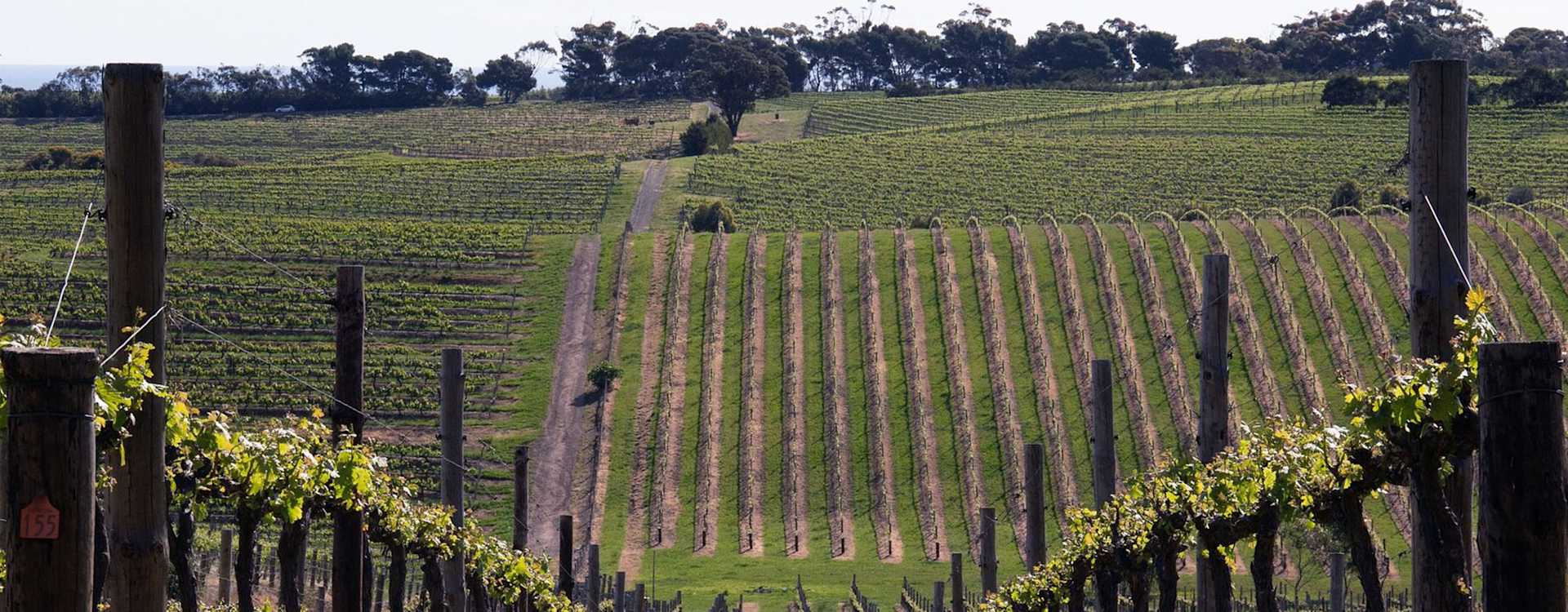
Known for opulent red wines with intense power and concentration, McLaren Vale is home to perhaps the most “classic” style of Australian Shiraz. Vinified on its own or in Rhône Blends, these hot-climate wines are deeply colored and high in extract with signature hints of dark chocolate and licorice. Cabernet Sauvignon is also produced in a similar style.
Whites, often made from Chardonnay or Sauvignon Blanc tend to be opulent and full of tropical, stone and citrus fruit.