
Winemaker Notes


In the second half of the 20th century, the brickyard went out of business. Vittorio Moretti purchased the property, mostly because of his wife Mariella’s childhood memories associated with this plant, which her godmother had owned and where she used to spend her afternoons after school. When the Franciacorta region was at the peak of its development in the 1980’s, Vittorio and Mariella Moretti decided to convert the brickyard into a winery. Its large spaces and long tunnels where the bricks were fired proved to be the perfect place for ageing Franciacorta vintages and welcoming wine lovers.
A skillful repurposing, which maintained the original designs, turned the ancient brickyard, Fornace Biasca, into today’s winery. The total surface area is 7,000 square meters, with the renovation plan involving a conservative restoration of the central building, with the ground floor used for vinification and ageing, the first floor turned into a finished goods warehouse and the second floor as a party and event location, seating over 300.
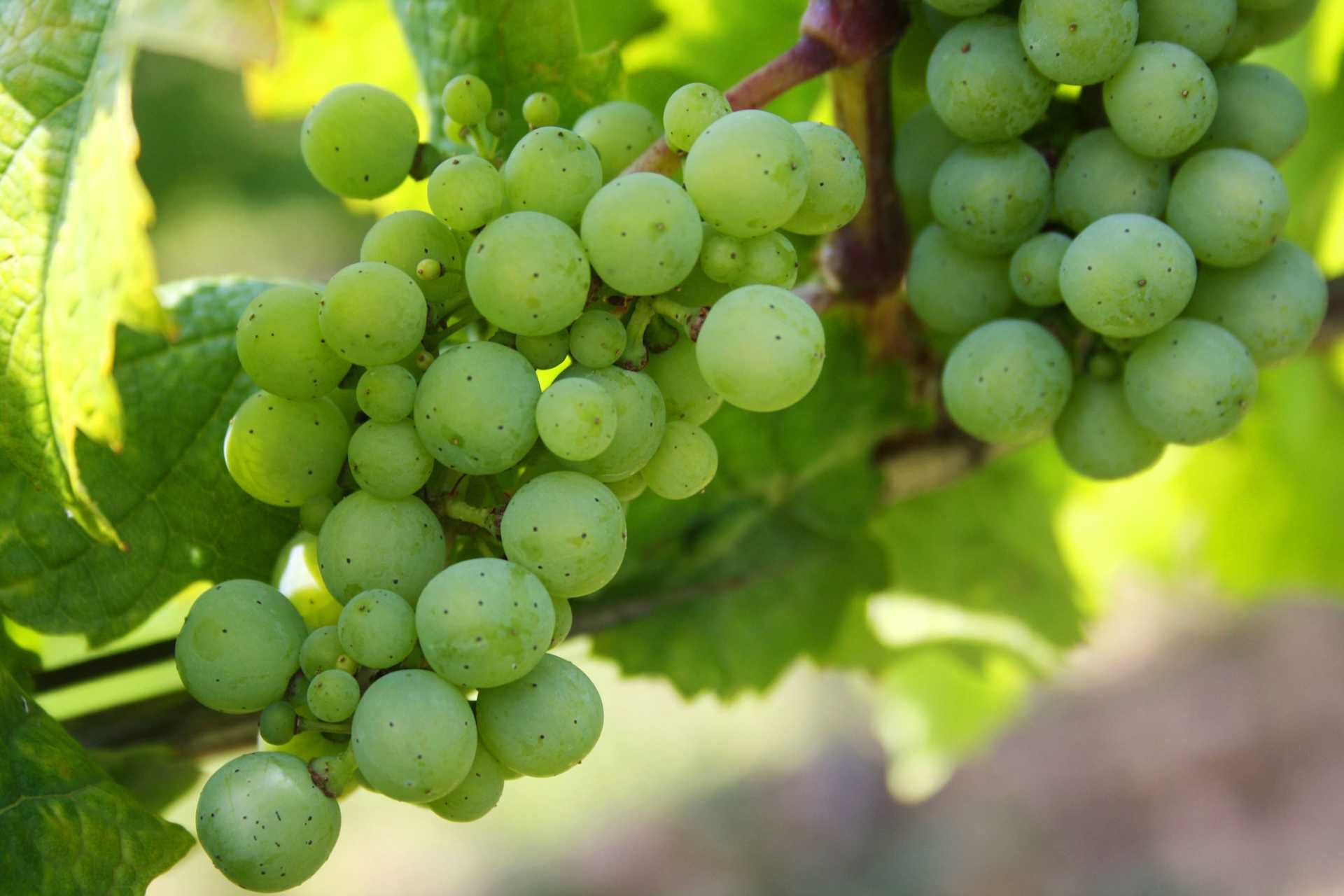
With hundreds of white grape varieties to choose from, winemakers have the freedom to create a virtually endless assortment of blended white wines. In many European regions, strict laws are in place determining the set of varieties that may be used in white wine blends, but in the New World, experimentation is permitted and encouraged. Blending can be utilized to enhance balance or create complexity, lending different layers of flavors and aromas. For example, a variety that creates a soft and full-bodied white wine blend, like Chardonnay, would do well combined with one that is more fragrant and naturally high in acidity. Sometimes small amounts of a particular variety are added to boost color or aromatics. Blending can take place before or after fermentation, with the latter, more popular option giving more control to the winemaker over the final qualities of the wine.

Containing an exciting mix of wine producing subregions, Lombardy is Italy’s largest in size and population. Good quality Pinot noir, Bonarda and Barbera have elevated the reputation of the plains of Oltrepò Pavese. To its northeast in the Alps, Valtellina is the source of Italy’s best Nebbiolo wines outside of Piedmont. Often missed in the shadow of Prosecco, Franciacorta produces collectively Italy’s best Champagne style wines, and for the fun and less serious bubbly, find Lambrusco Mantovano around the city of Mantua. Lugana, a dry white with a devoted following, is produced to the southwest of Lake Garda.