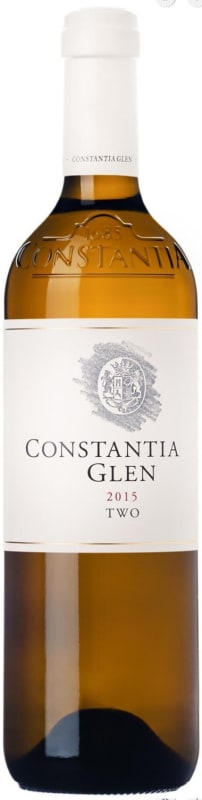


Winemaker Notes
Pair with: Char Siu pork belly with citrus spice and fresh coriander. Mango and shrimp salad with lime juice and toasted pine nuts. Smoked trout ribbons with dill & lemon crème fraiche and a cucumber pickle.
Professional Ratings
-
Robert Parker's Wine Advocate
The 2015 Two is a blend of 29% Semillon and 71% Sauvignon Blanc, matured in 600-liter demi-muids that are as neutral as possible. It has a delightful bouquet with lemon curd, Golden Delicious apple and a touch of nutmeg. The palate is very well balanced with lemongrass on the entry, a scintilla of waxiness imparted by the Semillon. It fans out with confidence and brio towards the finish, with dried mango, star fruit, and a dab of ginger and gooseberry. This is a complex Two and a delicious one.
-
Wine Spectator
Still rather tight, with hints of white peach, tangerine and orange zest edging out a bit from the core, where jicama, honeysuckle and straw notes fill in. The long finish reveals a dusting of talc. Very pure, but needs a little time to unfurl in the cellar. Sauvignon Blanc and Sémillon. Best from 2017 through 2020.
-
Wine Enthusiast
Bright and fresh, this offers upfront lemongrass, fynbos and fresh herb notes that are supported by a core of gooseberry, white peach and apple. The lightweight body is crisp and refreshing, with a finish that evolves from tart citrus flavors to notes of hay and subtle stony nuance. It’s enjoyable now, but should show best from 2018–2021.

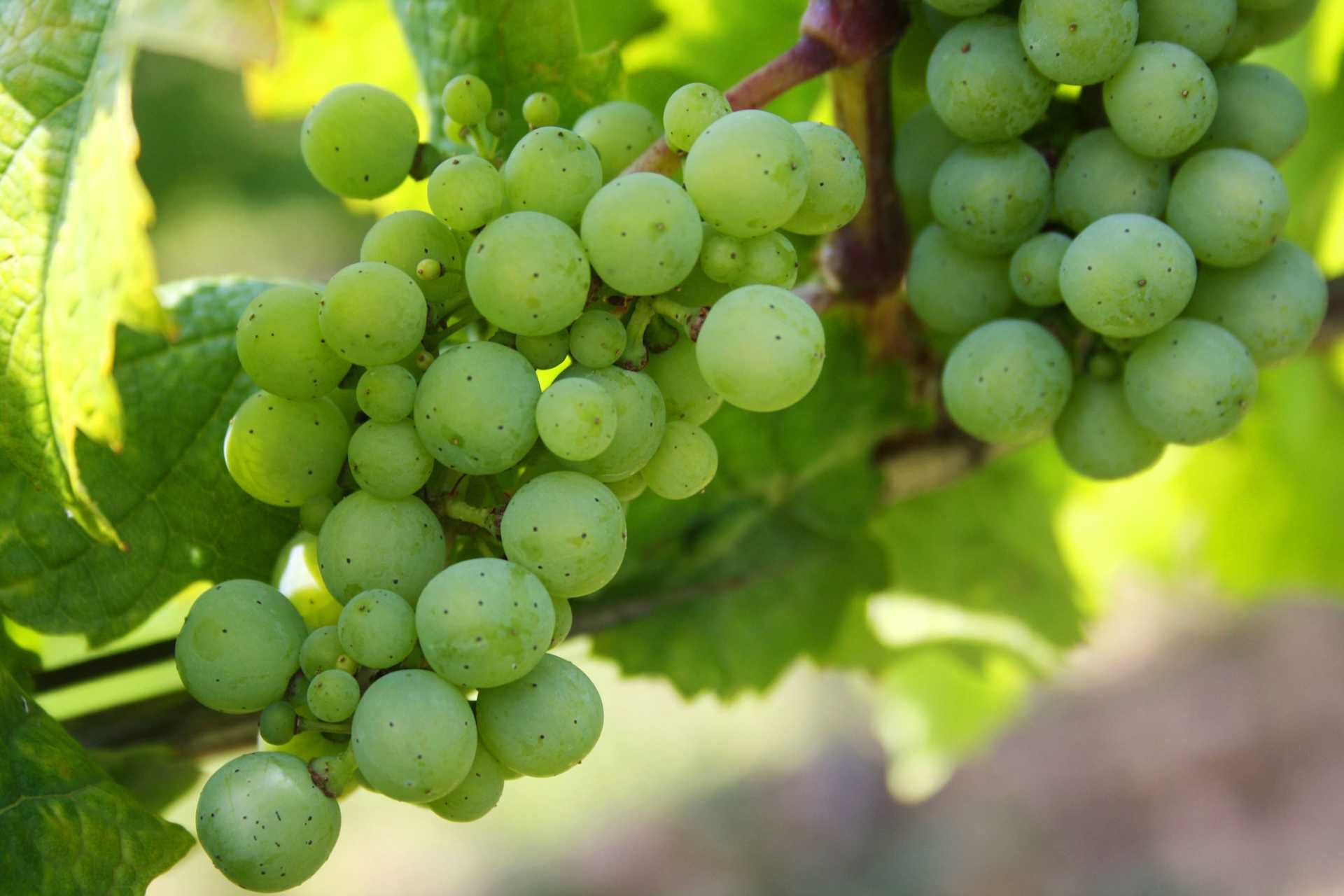
With hundreds of white grape varieties to choose from, winemakers have the freedom to create a virtually endless assortment of blended white wines. In many European regions, strict laws are in place determining the set of varieties that may be used in white wine blends, but in the New World, experimentation is permitted and encouraged. Blending can be utilized to enhance balance or create complexity, lending different layers of flavors and aromas. For example, a variety that creates a soft and full-bodied white wine blend, like Chardonnay, would do well combined with one that is more fragrant and naturally high in acidity. Sometimes small amounts of a particular variety are added to boost color or aromatics. Blending can take place before or after fermentation, with the latter, more popular option giving more control to the winemaker over the final qualities of the wine.

One of the most famous and celebrated wine regions imported throughout Europe during the 18th century, Constantia was founded in 1685 by a Dutch governor named Simon van der Stel who ran a successful wine farm for many years.
Constantia vineyards, planted in ancient soil beds, climb up the east-facing slopes of the Constantiaberg, where the vines receive cool sea breezes blowing in from False Bay.