
Winemaker Notes
Professional Ratings
-
Robert Parker's Wine Advocate
The 2014 Two is fermented in French oak barrels, 30% new and the rest second to fifth fill. A blend of 70% Sauvignon Blanc and 30% Sémillon, it is the latter that drives the nose with acacia honey, peach and pineapple. The palate is medium-bodied with a waxy texture, white peach and Cornice pear notes with a touch of citrus lemon on the poised finish. This works much better than the Sauvignon Blanc this year.

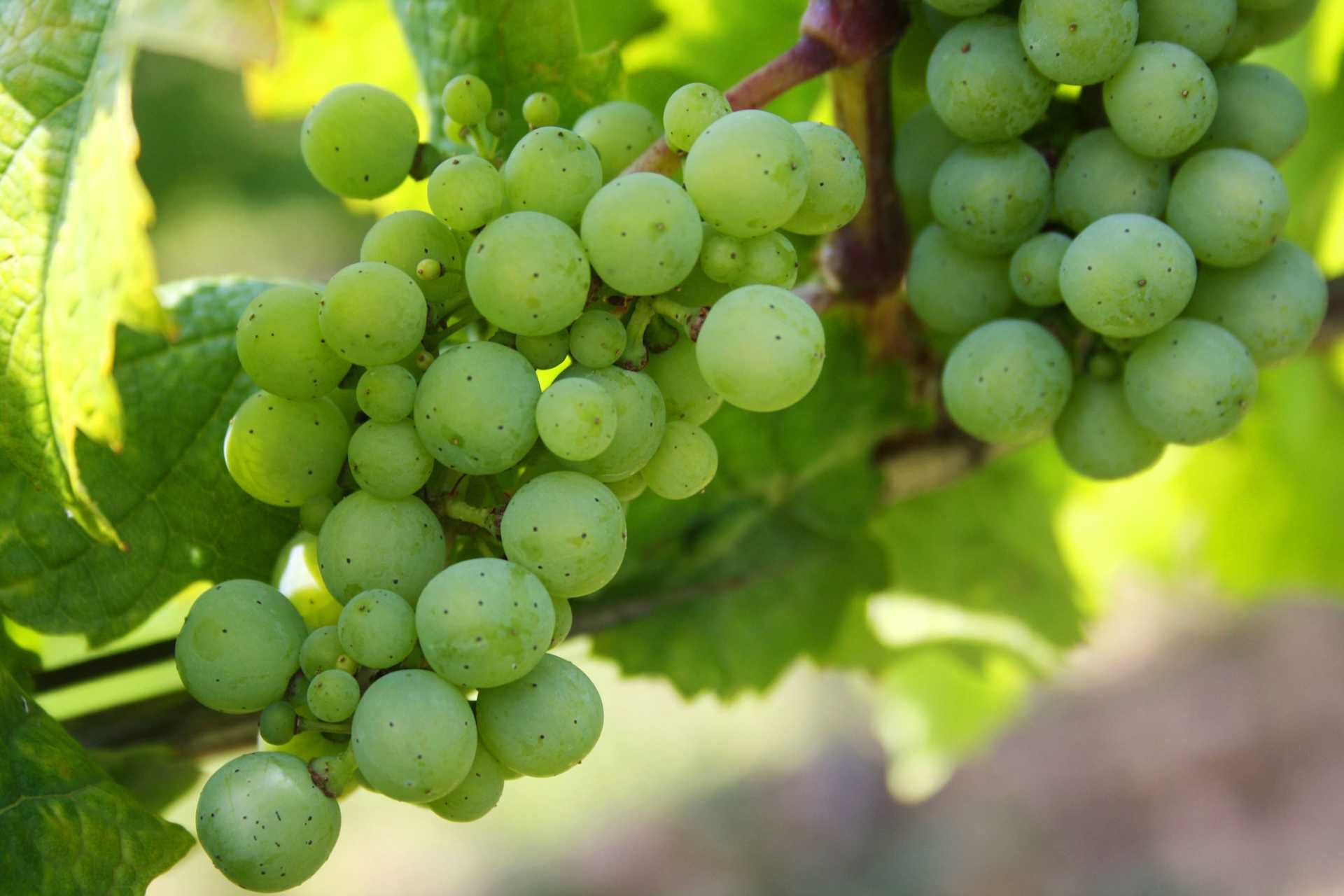
With hundreds of white grape varieties to choose from, winemakers have the freedom to create a virtually endless assortment of blended white wines. In many European regions, strict laws are in place determining the set of varieties that may be used in white wine blends, but in the New World, experimentation is permitted and encouraged. Blending can be utilized to enhance balance or create complexity, lending different layers of flavors and aromas. For example, a variety that creates a soft and full-bodied white wine blend, like Chardonnay, would do well combined with one that is more fragrant and naturally high in acidity. Sometimes small amounts of a particular variety are added to boost color or aromatics. Blending can take place before or after fermentation, with the latter, more popular option giving more control to the winemaker over the final qualities of the wine.

One of the most famous and celebrated wine regions imported throughout Europe during the 18th century, Constantia was founded in 1685 by a Dutch governor named Simon van der Stel who ran a successful wine farm for many years.
Constantia vineyards, planted in ancient soil beds, climb up the east-facing slopes of the Constantiaberg, where the vines receive cool sea breezes blowing in from False Bay.