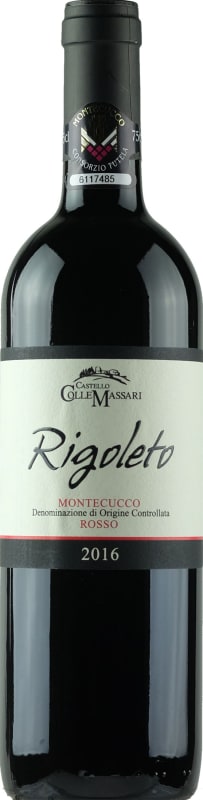


Winemaker Notes
The not very hot summer and the temperature range of the beginning of September led to a long period of veraison, which began later than usual. Since the middle of August the peeling and thinning of the bunches have accelerated the ripening of the grapes, bringing in the historical canons of the second decade of September for the harvest dedicated to Rigoleto. Pleasant impact on the nose, where features fresh and vinous notes of cherry and berries. The taste is soft and inviting, the tannins are sweet and never aggressive, to fit nicely to the acid component.
Professional Ratings
-
James Suckling
Dark berries, walnuts and dried flowers on the nose follow through to a medium body with firm tannins and a fresh finish. From organically grown grapes.


Legendary in Italy for its Renaissance art and striking landscape, Tuscany is also home to many of the country’s best red wines. Sangiovese reigns supreme here, as either the single varietal, or a dominant player, in almost all of Tuscany’s best.
A remarkable Chianti, named for its region of origin, will have a bright acidity, supple tannins and plenty of cherry fruit character. From the hills and valleys surrounding the medieval village of Montalcino, come the distinguished and age-worthy wines based on Brunello (Sangiovese). Earning global acclaim since the 1970s, the Tuscan Blends are composed solely of international grape varieties or a mix of international and Sangiovese. The wine called Vine Nobile di Montepulciano, composed of Prognolo Gentile (Sangiovese) and is recognized both for finesse and power.