
Winemaker Notes


Apart from the classics, we find many regional gems of different styles.
Late harvest wines are probably the easiest to understand. Grapes are picked so late that the sugars build up and residual sugar remains after the fermentation process. Ice wine, a style founded in Germany and there referred to as eiswein, is an extreme late harvest wine, produced from grapes frozen on the vine, and pressed while still frozen, resulting in a higher concentration of sugar. It is becoming a specialty of Canada as well, where it takes on the English name of ice wine.
Vin Santo, literally “holy wine,” is a Tuscan sweet wine made from drying the local white grapes Trebbiano Toscano and Malvasia in the winery and not pressing until somewhere between November and March.
Rutherglen is an historic wine region in northeast Victoria, Australia, famous for its fortified Topaque and Muscat with complex tawny characteristics.

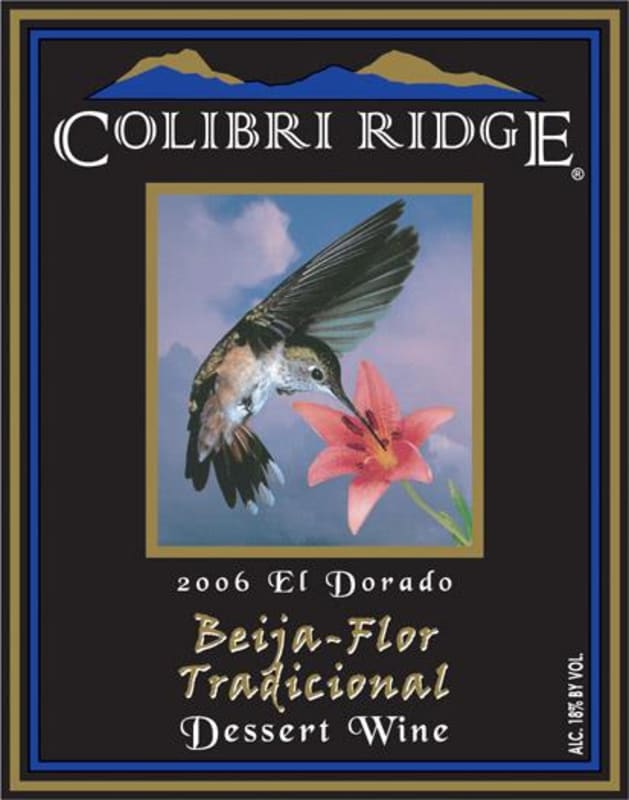
As home to California’s highest altitude vineyards, El Dorado is also one of its oldest wine growing regions. When gold miners settled here in the late 1800s, many also planted vineyards and made wine to quench its local demand.
By 1870, El Dorado County, as part of the greater Sierra Foothills growing area, was among the largest wine producers in the state, behind only Los Angeles and Sonoma counties. The local wine industry enjoyed great success until just after the turn of the century when fortune-seekers moved elsewhere and its population diminished. With Prohibition, winemaking and grape growing was totally abandoned. But some of these vines still exist today and are the treasure chest of the Sierra Foothills as we know them.
El Dorado has a diverse terrain with elevations ranging from 1,200 to 3,500 feet, creating countless mesoclimates for its vineyards. This diversity allows success with a wide range of grapes including whites like Gewurztraminer and Sauvignon Blanc, as well as for reds, Grenache, Syrah, Tempranillo, Barbera and especially, Zinfandel.
Soils tend to be fine-grained volcanic rock, shale and decomposed granite. Summer days are hot but nights are cool and the area typically gets ample precipitation in the form or rain or snow in the winter.