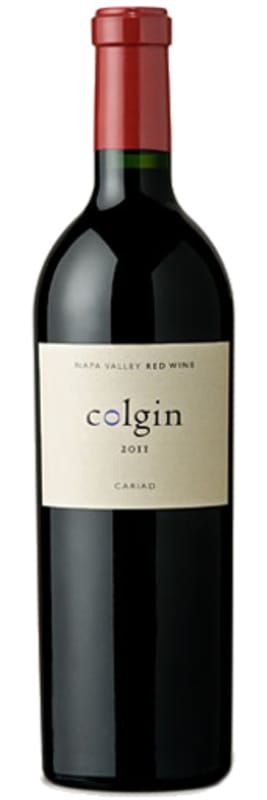


Winemaker Notes
Professional Ratings
-
James Suckling
Extremely aromatic with lead pencil and hints of currant undertone. Full body, with silky tannins and a very, very long finish. The texture is just right. This is so racy and refined with fabulous texture. I love the savory character. A wine with a solid core of fruit and super silky tannins. It is beautiful and dense yet refined.
-
Vinous
The 2011 Cariad is a dark, brooding beauty. A whole range of savory and earthy nuances play off a dark cherry and plum fruit. The 2011 is distinguished by its surprising breadth and volume. The strong savory qualities of the year are present in a wine that impresses with its balance and poise. It is a terrific example of the year.
-
Robert Parker's Wine Advocate
Composed of 49% Cabernet Sauvignon, 35% Merlot, 10% Petit Verdot and 6% Cabernet Franc, the 2011 Proprietary Red Cariad exhibits a deep ruby/purple color along with aromas of tapenade, barbecue smoke, black currants, sweet cherries, baking spices and licorice. Medium-bodied and fleshy with delicious fruit, it showcases the endearing, upfront charm of this vintage where the wines are well-made. Drink it over the next decade.
-
Wine Spectator
Shows a rounder, more graceful texture than most 2011s, with pure blackberry, black licorice, road tar and cigar box notes, holding a tight focus and ending with a persistent, lingering finish. Cabernet Sauvignon, Merlot, and Cabernet Franc and Petit Verdot. Drink now through 2022.


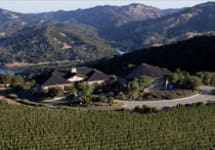

Undoubtedly proving its merit over and over, Napa Valley is a now a leading force in the world of prestigious red wine regions. Though Cabernet Sauvignon dominates Napa Valley, other red varieties certainly thrive here. Important but often overlooked include Merlot and other Bordeaux varieties well-regarded on their own as well as for their blending capacities. Very old vine Zinfandel represents an important historical stronghold for the region and Pinot noir is produced in the cooler southern parts, close to the San Pablo Bay.
Perfectly situated running north to south, the valley acts as a corridor, pulling cool, moist air up from the San Pablo Bay in the evenings during the hot days of the growing season, which leads to even and slow grape ripening. Furthermore the valley claims over 100 soil variations including layers of volcanic, gravel, sand and silt—a combination excellent for world-class red wine production.