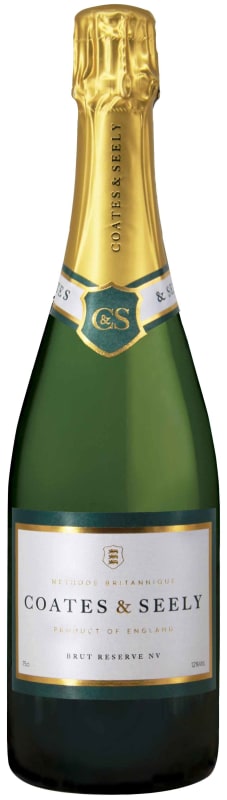


Winemaker Notes
A blend of Chardonnay and Pinot Noir, with reserves from previous years, and lees-aged for 2 ½ to 3 years to give depth and complexity. They use French craftsmen who, combined with their English terroir, make wines of distinction, that are properly and fully aged – both on lees and on cork – using rigorous fruit selection, exacting discipline and an unending attention to detail.
Blend: 50% Pinot Noir, 40% Chardonnay, 10% Pinot Meunier
Professional Ratings
-
Decanter
There's no rule that English sparkling wines must feature in our Best in Show selection; quality is all. Year after year, though, it is precisely the quality of those English sparkling wines submitted to the DWWA that keeps impressing our final-round judges and insisting on inclusion. What distinguishes this wine is that it's not a vintage or late-disgorged specialty, as with previous Best in Show winners, but a non-vintage blend of the three classic varieties. It's pale gold in color, with a steady stream of fine bubbles; aromatically you'll find ultra-freshness and a distinctive sappy cool infusing the shy orchard fruits, like a sniff of an early spring morning before the mist has lifted. It's taut, tight and stony on the palate, in bracing aperitif style -- but the quality of the fruit, teased to ripeness over the long-houred English summer, is there for all to taste.
-
James Suckling
Extremely pretty apple and lemon-curd aromas with some honeydew-melon undertones. Hints of bread dough. Full-bodied with plenty of fruit, a layered texture and a creamy finish. Fruity, yet tight and focused. Mostly 2016 with reserves of 2015 and 2014. 4 grams dosage. More than three years on the lees. Drink or hold.


A term typically reserved for Champagne and Sparkling Wines, non-vintage or simply “NV” on a label indicates a blend of finished wines from different vintages (years of harvest). To make non-vintage Champagne, typically the current year’s harvest (in other words, the current vintage) forms the base of the blend. Finished wines from previous years, called “vins de reserve” are blended in at approximately 10-50% of the total volume in order to achieve the flavor, complexity, body and acidity for the desired house style. A tiny proportion of Champagnes are made from a single vintage.
There are also some very large production still wines that may not claim one particular vintage. This would be at the discretion of the winemaker’s goals for character of the final wine.

The limestone soils of England’s southern end have proven ideal for the production of British sparkling wine. While it might seem too damp and cold for grape growing in England, recent warm summers and the onset of global warming signify great future growth for the British wine industry.