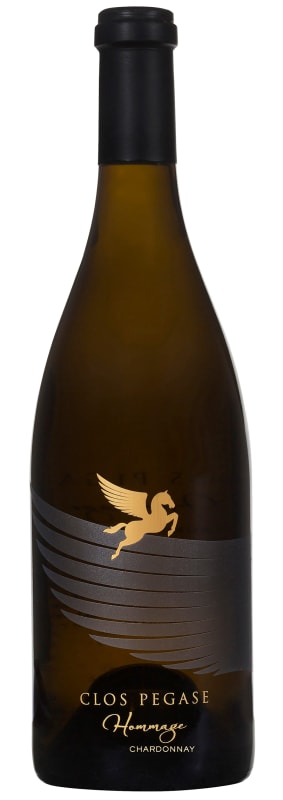


Winemaker Notes
An inviting nose shows sweet hints of butterscotch and honeysuckle. The palate is rich and expressive, featuring bold flavors of ripe cantaloupe melon and toasted coconut, lifted by a touch of Meyer lemon. Beautifully crisp acidity maintains a powerful balance, leading to a clean, structured finish.
Pair with pan-seared scallops served with a light brown butter sauce. The wine’s beautiful acidity is essential, as it cuts through the richness of the butter sauce and the density of the scallops, cleansing the palate. Simultaneously, the wine’s creamy notes mirror and deepen the caramelized, nutty flavors of the scallops, creating a highly cohesive and satisfying dish.


One of the most popular and versatile white wine grapes, Chardonnay offers a wide range of flavors and styles depending on where it is grown and how it is made. While it tends to flourish in most environments, Chardonnay from its Burgundian homeland produces some of the most remarkable and longest lived examples. California produces both oaky, buttery styles and leaner, European-inspired wines. Somm Secret—The Burgundian subregion of Chablis, while typically using older oak barrels, produces a bright style similar to the unoaked style. Anyone who doesn't like oaky Chardonnay would likely enjoy Chablis.

Known for elegant wines that combine power and finesse, Carneros is set in the rolling hills that straddle the southernmost parts of both Sonoma and Napa counties. The cooling winds from the abutting San Pablo Bay, combined with lots of midday California sunshine, create an ideal environment for producing wines with a perfect balance of crisp acidity and well-ripened fruit.
This cooler pocket of California lends itself to growing Pinot Noir, Chardonnay and Syrah. Carneros is an important source of sparkling wines made in the style of Champagne as well.