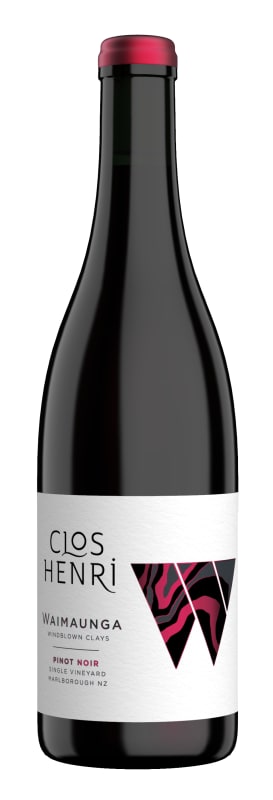


Winemaker Notes
This is an inviting and generous wine which delivers a palette of flavours. On the nose, there is a pronounced intensity of ripe blueberry, with subtle notes of violet. Strawberry and red cherry notes are balanced with rich and concentrated texture. Velvet, fine tannins are completed by mushroom and leather hints. A complex and lingering wine with a spicy finish that will transport you to our windswept terroir.
Professional Ratings
-
Robert Parker's Wine Advocate
The 2022 Waimaunga Pinot Noir is concentrated and textural, with a complex array of cherries, garden roses, crushed shells and sweet tobacco leaf. There is also graphite, star anise and shaved fennel—a distinctly minty/metallic glean through the finish. The wine is blessed with that ultra-attractive forest floor character, which really complexes and beguiles. 14.5% alcohol.
-
Wine Enthusiast
There's an explosion of raw energy to this single-vineyard, biodynamically farmed Sauvignon Blanc, like lime pith, pineapple rind, popcorn kernels, beeswax and a wild meadow. The palate is beautifully textured, the bright acidity taking a back seat to the richness of flavor and silky mouthfeel. Both elegant and brazen, it walks to its own beat and is all the better for it.
-
Wilfred Wong of Wine.com
The 2022 Clos Henri Pinot Noir is fresh and delightfully alive. This wine offers aromas and flavors of fragrant spices, some dried earth notes, and fresh garden herbs. Enjoy it with a savory roast leg of lamb. (Tasted: February 11, 2025, San Francisco, CA)
-
Wine Spectator
Juicy and spicy, with notes of clove and cinnamon complementing the wild berry flavors at its core. Offers hints of matcha, grilled bread and toasted cedar on plush tannins. Drink now. 6,000 cases made, 1,300 cases imported.





Thin-skinned, finicky and temperamental, Pinot Noir is also one of the most rewarding grapes to grow and remains a labor of love for some of the greatest vignerons in Burgundy. Fairly adaptable but highly reflective of the environment in which it is grown, Pinot Noir prefers a cool climate and requires low yields to achieve high quality. Outside of France, outstanding examples come from in Oregon, California and throughout specific locations in wine-producing world. Somm Secret—André Tchelistcheff, California’s most influential post-Prohibition winemaker decidedly stayed away from the grape, claiming “God made Cabernet. The Devil made Pinot Noir.”

An icon and leading region of New Zealand's distinctive style of Sauvignon blanc, Marlborough has a unique terroir, making it ideal for high quality grape production (of many varieties). Despite some common generalizations, which could be fairly justified given that Marlborough is responsible for 90% of New Zealand's Sauvignon blanc production, the wines from this region are actually anything but homogenous. At the northern tip of New Zealand’s South Island, the vineyards of Marlborough benefit from well-draining, stony soils, a dry, sunny climate and wide temperature fluctuations between day and night, a phenomenon that supports a perfect balance between berry ripeness and acidity.
The region’s king variety, Sauvignon blanc, is beloved for its pungent, aromatic character with notes of exotic tropical fruit, freshly cut grass and green bell pepper along with a refreshing streak of stony minerality. These wines are made in a wide range of styles, and winemakers take advantage of various clones, vineyard sites, fermentation styles, lees-stirring and aging regimens to differentiate their bottlings, one from one another.
Also produced successfully here are fruit-forward Pinot noirs (especially where soils are clay-rich), elegant Riesling, Pinot gris and Gewürztraminer.