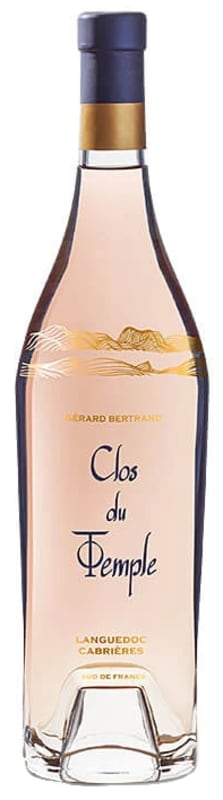


Winemaker Notes
Clos du Temple is a very pale and glittering rosé. Its nose reveals notes of ripe fruit (apricot, white peach), floral notes of rose and spicy green pepper aromas. On the palate, we find the same scents, with a delicate finish of blond tobacco.
Blend: 41% Cinsault, 38% Grenache, 11% Syrah, 7% Mourvèdre, 3% Viognier
Professional Ratings
-
James Suckling
A perfumed nose of spiced apples, pears, melon, dried thyme, potpourri and some bark. It’s medium- to full-bodied with velvety texture and bright acidity. It’s harmonious and vibrant with volume. Ample and slightly peppery bringing vitality and length towards the focused, mineral, long finish. Cinsault, grenache, syrah, mourvedre and a touch of viognier. From biodynamically grown grapes with Demeter certification. Drink or hold.
-
Wine Spectator
A weighty, modern-styled version, with white peach, zesty citrus and tropical fruit encased in sweet oak spices and mineral depth. Round and long on the creamy palate, with tangerine-laced acidity driving energy while vanilla adds warmth. Built to age, this wine's oak influence will integrate with time in bottle, so don't be afraid to cellar this. Grenache, Cinsault, Syrah, Viognier and Mourvèdre.
-
Decanter
Still very youthful, and it needed to be decanted to bring out the richness. Similar to the 2021 with fresh mint, dill and creamy white chocolate aromas plus much more evident oak. On the palate the toasty oak is tight and fine grained giving some tautness to the rich creamy fruit, white peaches, melons, a touch of mango, sweet oranges and perfumed Sorrento lemons. There is a pretty freshness with some bitter almond and orange pith on the finish, but less weighty concentration and missing the floral notes found on earlier vintages, possibly due to having the smallest percentage of Viognier and Cinsault. Cinsault 41%, Grenache 38%, Syrah 11%, Mourvèdre 7%, Viognier 3%.


Whether it’s playful and fun or savory and serious, most rosé today is not your grandmother’s White Zinfandel, though that category remains strong. Pink wine has recently become quite trendy, and this time around it’s commonly quite dry. Since the pigment in red wines comes from keeping fermenting juice in contact with the grape skins for an extended period, it follows that a pink wine can be made using just a brief period of skin contact—usually just a couple of days. The resulting color depends on grape variety and winemaking style, ranging from pale salmon to deep magenta.

An extensive appellation producing a diverse selection of good quality and great values, Languedoc spans the Mediterranean coast from the Pyrenees mountains of Roussillon all the way to the Rhône Valley. Languedoc’s terrain is generally flat coastal plains, with a warm Mediterranean climate and frequent risk of drought.
Virtually every style of wine is made in this expansive region. Most dry wines are blends with varietal choice strongly influenced by the neighboring Rhône Valley. For reds and rosés, the primary grapes include Grenache, Syrah, Carignan, Cinsault and Mourvèdre. White varieties include Grenache Blanc, Muscat, Ugni Blanc, Vermentino, Macabéo, Clairette, Piquepoul and Bourbelenc.
International varieties are also planted in large numbers here, in particular Chardonnay, Sauvignon Blanc and Cabernet Sauvignon.
The key region for sparkling wines here is Limoux, where Blanquette de Limoux is believed to have been the first sparkling wine made in France, even before Champagne. Crémant de Limoux is produced in a more modern style.