

Winemaker Notes
Professional Ratings
-
Jeb Dunnuck
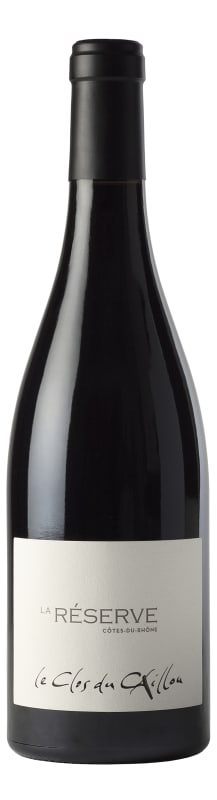
Including more Mourvèdre, the 2018 Côtes du Rhône La Reserve checks in as 75% Grenache and 25% Mourvèdre that was brought up all in demi-muids. Almost opaque ruby, with a blockbuster nose of Bing cherries, black raspberries, flowery incense, toasted spices, and dry-aged beef, this beauty hits the palate with full-bodied richness, a seamless, elegant texture, loads of fruit, and a great finish. The level of purity as well as finesse in this wine, paired with plenty of richness, is something to behold. It way over-delivers for a Côtes du Rhône. In fact, for my money, this is one of the best Côtes du Rhône out there. It’s terrific today yet will evolve nicely for a solid decade. Does Côtes du Rhônes get any better?
-
James Suckling
This has super attractive, sweetly fragrant aromas of white flowers, apples and melon, leading to a palate that offers a very smoothly honed array of baked-pear and poached-apple flavors.
-
Robert Parker's Wine Advocate
Another step up the Côtes du Rhône quality ladder, the 2018 Cotes du Rhone La Reserve is a Grenache-Mourvèdre blend sourced from sandy soils within the property's clos. Full-bodied, silky and richly concentrated, it delivers layers of ripe cherries, dried spices and leather, rolling seamlessly through the lingering finish.
-
Wine Spectator
Lively and fresh, with a tasty streak of red cherry and raspberry coulis flanked by red licorice and ending with a touch of applewood. Modest in scale but energetic for sure. Grenache and Mourvèdre.


With bold fruit flavors and accents of sweet spice, Grenache, Syrah and Mourvèdre form the base of the classic Rhône Red Blend, while Carignan, Cinsault and Counoise often come in to play. Though they originated from France’s southern Rhône Valley, with some creative interpretation, Rhône blends have also become popular in other countries. Somm Secret—Putting their own local spin on the Rhône Red Blend, those from Priorat often include Merlot and Cabernet Sauvignon. In California, it is not uncommon to see Petite Sirah make an appearance.

Typically thought of as a baby Chateâuneuf-du-Pape, the term Côtes du Rhône actually doesn’t merely apply to the flatter outskirts of the major southern Rhône appellations, it also includes the fringes of well-respected northern Rhône appellations. White wines can be produced under the appellation name, but very little is actually made.
The region offers some of the best values in France and even some first-rate and age-worthy reds. Red wine varieties include most of the Chateâuneuf-du-Pape varieties like Grenache, Syrah, Mourvedre, Cinsault, and Counoise, as well as Carignan. White grapes grown include Grenache blanc, Roussanne and Viognier, among others.