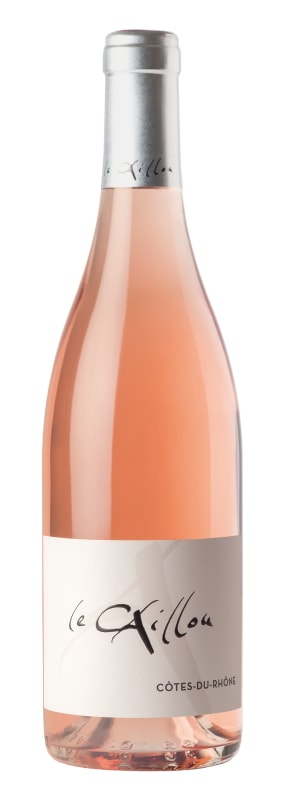


Winemaker Notes
Pair with red curry chicken or figs stuffed with goat cheese.

—Robert Parker, The Wine Advocate
From robust Côtes-du-Rhône to memorable Chateauneuf-du-Pape, Clos du Caillou wines arguably represent some of the finest values in all of France. Proprietor Sylvie Vacheron and winemaker Bruno Gaspard are keeping the great work of the late Jean-Denis Vacheron alive with wines that are heady, robust and mouth-wateringly lush.
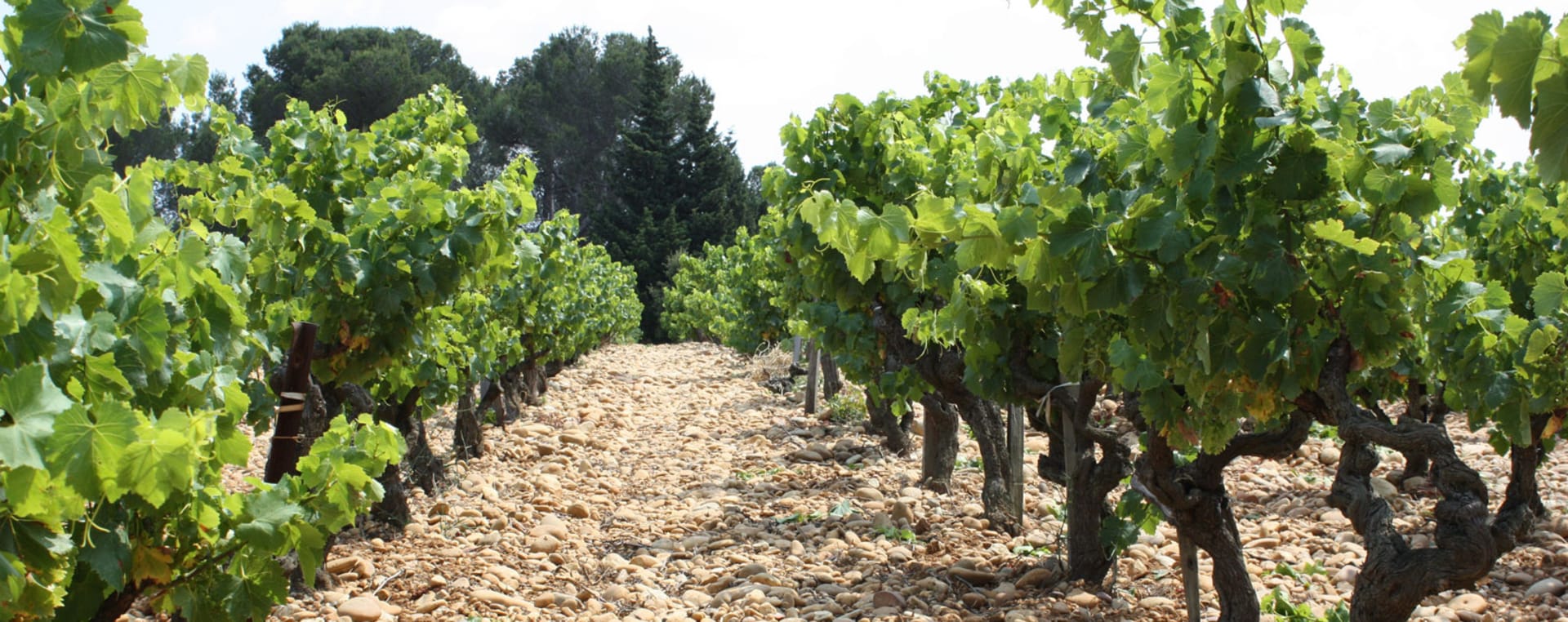
Caillou tends wonderfully old Grenache vines, some of which are 70 to 100 years old. With older Syrah and Mourvèdre added to the mix, it’s no wonder that Caillou wines are across the board impressive for their power, extract and deep minerality. The estate’s Chateauneuf terroir borders the impressive domaines of Chateau Rayas and Beaucastel.
Yet many of the Vacheron-Pouizin family's old vines are classified, by a quirk of 1923 politics, Côtes-du-Rhône and Côtes-du-Rhône-Villages. It’s why our Côtes-du-Rhône barrel selections show surprisingly like its kin in Chateauneuf-du-Pape.
In 1996 Jean-Denis Vacheron took full control of the viticulture and élévage at this estate. Under his stewardship, the wines of Caillou steadily gained stature, and today are benchmarks for the appellation. He understood that temperature-controlled fermentation and a cool, clean cellar are necessary to craft wines with refinement and true complexity.
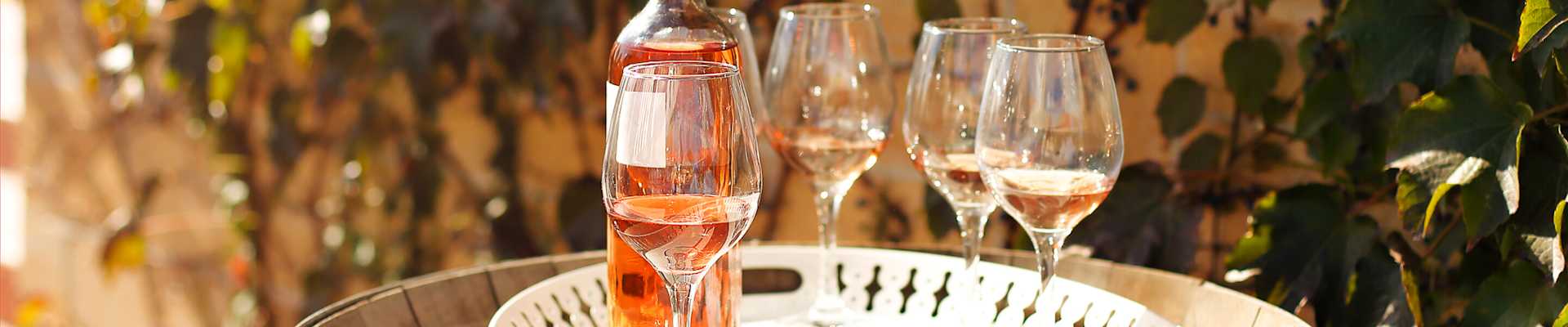
Whether it’s playful and fun or savory and serious, most rosé today is not your grandmother’s White Zinfandel, though that category remains strong. Pink wine has recently become quite trendy, and this time around it’s commonly quite dry. Since the pigment in red wines comes from keeping fermenting juice in contact with the grape skins for an extended period, it follows that a pink wine can be made using just a brief period of skin contact—usually just a couple of days. The resulting color depends on grape variety and winemaking style, ranging from pale salmon to deep magenta.

Typically thought of as a baby Chateâuneuf-du-Pape, the term Côtes du Rhône actually doesn’t merely apply to the flatter outskirts of the major southern Rhône appellations, it also includes the fringes of well-respected northern Rhône appellations. White wines can be produced under the appellation name, but very little is actually made.
The region offers some of the best values in France and even some first-rate and age-worthy reds. Red wine varieties include most of the Chateâuneuf-du-Pape varieties like Grenache, Syrah, Mourvedre, Cinsault, and Counoise, as well as Carignan. White grapes grown include Grenache blanc, Roussanne and Viognier, among others.