


Winemaker Notes
A few bottles of the most coveted Rosé in Corsica are left for the drinking. They’re not in Corsica, folks. Get yourself a bottle before the Corsican locals arrive to reclaim the fruit of their vines: a biodynamic, orange-zesty, multifaceted masterpiece from the most ancient growing region on the island.
Professional Ratings
-
Wine & Spirits
Half sciaccarellu, the rest grenache and niellucciu (a.k.a. sangiovese), this rosé delivers more flavor complexity than its pale orange-pink complexion suggests. It’s broad and firm, its intense red-berry fruit flavors countered by breezy, saline herbal notes and lots of savory spice. This is rosé built for garlicky roast eggplant or stuffed tomatoes, or even grilled lamb.

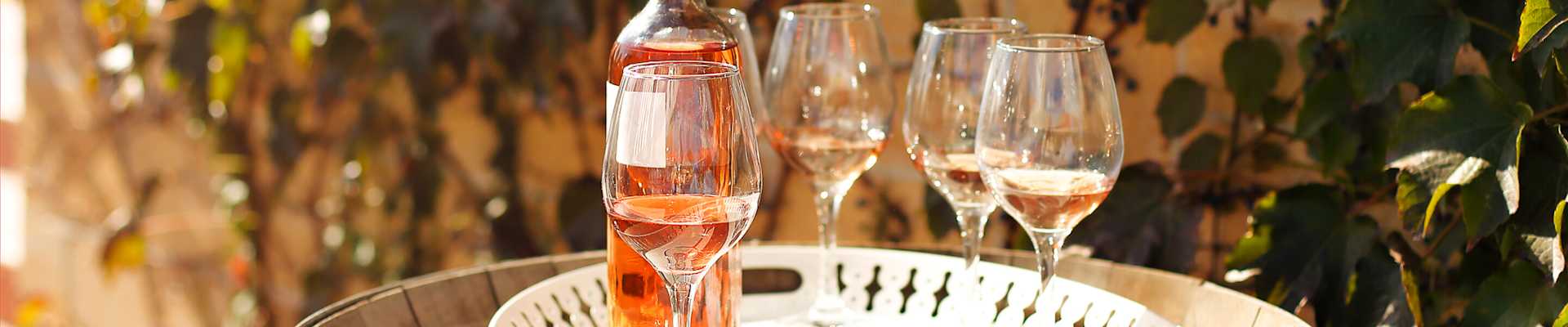
Whether it’s playful and fun or savory and serious, most rosé today is not your grandmother’s White Zinfandel, though that category remains strong. Pink wine has recently become quite trendy, and this time around it’s commonly quite dry. Since the pigment in red wines comes from keeping fermenting juice in contact with the grape skins for an extended period, it follows that a pink wine can be made using just a brief period of skin contact—usually just a couple of days. The resulting color depends on grape variety and winemaking style, ranging from pale salmon to deep magenta.

A mountainous, Mediterranean island covered in vineyards, Corsica, while closer to Italy in proximity and history, is today under France's political jurisdiction. The island is home to a mix of Italian and French grapes, typically planted at high elevations. Niellucciu (Sangiovese), Sciacarellu (Mammolo), and Vermentino (Rolle) are the main grape varieties of Corsica, and account for about two thirds of all Corsican wines produced.